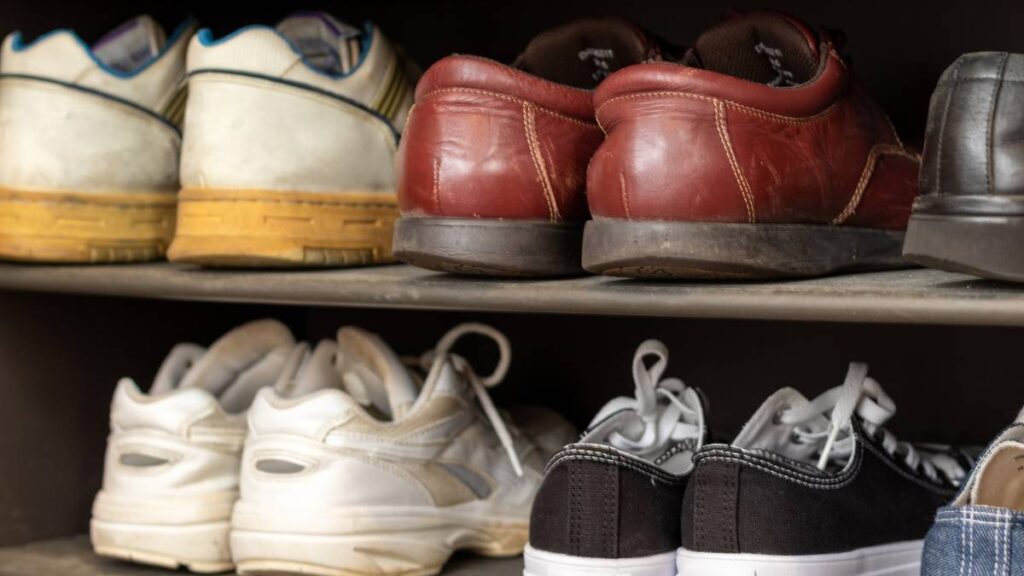
Everyone has that moment of digging through shoe piles, only to find their favorite pair bent out of shape. It feels like such a waste.
Shoes make a big style statement and take the brunt of everyday life. Storing them right is key to keeping them in top condition across all seasons.
This article explores simple, real-world seasonal shoe storage strategies so your shoes last longer, look fresher, and are ready when you need them.
Prep Shoes with Smart Habits for Season-End Storage
Seasonal shoe storage starts with cleaning and prepping, ensuring shoes stay fresh through months of rest. This step makes a visible difference and prevents future headaches.
Consistent habits pay off. For example, taking five minutes to remove dirt before storing shoes sets a positive tone for shoe care during each seasonal swap.
Choose the Right Cleaning Method for Each Shoe Material
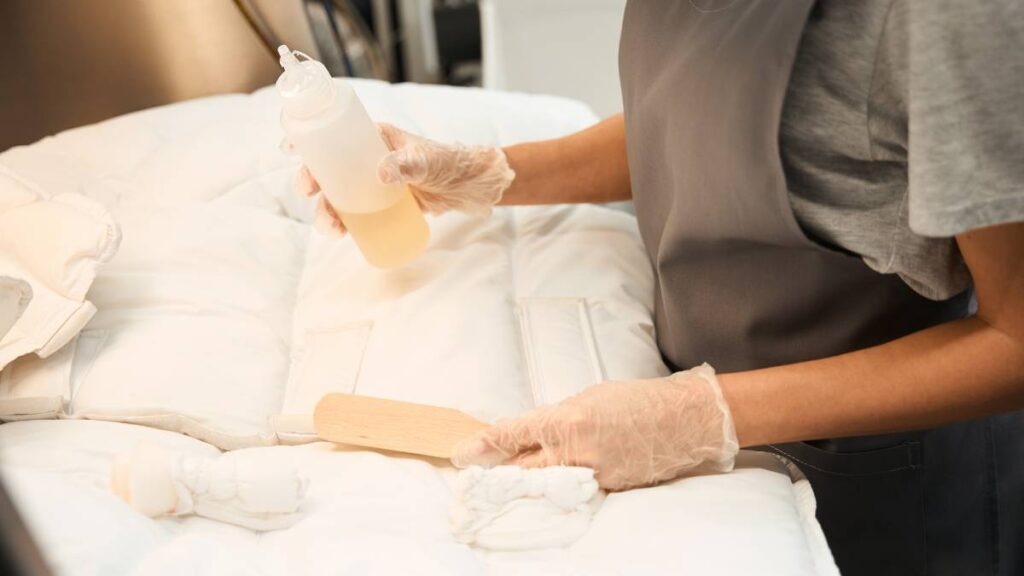
Before placing shoes into storage bags, wipe leather pairs with a soft cloth and use a specialist cleaner for suede or nubuck. Always let them dry thoroughly first.
Canvas sneakers are easy: a mix of gentle soap and cool water works, as long as you avoid harsh scrubbing that could degrade the fabric. Stuff them with paper to retain shape while drying.
Main takeaway: proper cleaning reduces mold risk and helps your seasonal shoe storage routine begin with clean, damage-free shoes every transition.
Use Individual Shoe Bags or Boxes Correctly
Place each pair in its own breathable bag. This prevents color transfer and stops hardware from scratching delicate surfaces. Always label boxes for fast identification next time.
If reusing original boxes, add a silica packet for moisture control. Avoid airtight plastic containers for leather, as they trap humidity and risk mildew growth.
This easy investment protects shoes so you’ll find them like new next season instead of dealing with warped or faded pairs.
| Shoe Type | Cleaning Tool | Storage Container | Takeaway Tip |
|---|---|---|---|
| Leather boots | Soft cloth and polish | Cloth bag or box | Polish and dry fully before bagging |
| Suede loafers | Suede brush & eraser | Breathable bag | Never store damp; add silica gel |
| Canvas sneakers | Mild soap and brush | Original box | Stuff with paper to hold shape |
| Sandals | Disinfecting wipes | Cloth pouch | Fasten straps to avoid tangling |
| Dress heels | Microfiber towel | Box with tissue | Use tissue between shoes to prevent scuffs |
Control Climate and Humidity to Prevent Sneaker Sadness and Boot Blunders
Correct climate control stops shoes from developing that musty smell or cracking from dryness during seasonal shoe storage. Not all parts of your home work equally well.
Find a spot that doesn’t see wild temperature swings. Even a closet near an exterior door risks humid air, while basements might trap too much moisture for leather preservation.
Monitor Home Zones for Sneaker and Boot Health
If you feel dampness when entering a storage area, moisture is already a problem. Position shoes on shelves off the floor to avoid condensation issues.
- Keep shoes above ground level in finished closets to avoid basement-style humidity and accidental flooding. Use a hygrometer to check relative humidity—you want levels below 60%.
- Add silica gel or cedar shoe inserts; these control moisture naturally, helping seasonal shoe storage maintain freshness and deter unwanted odors from building up over time.
- Avoid attic spaces unless properly insulated—attics experience temperature extremes and create cracking risks for both fabric sneakers and delicate suede boots.
- Install a small dehumidifier if humidity spikes in your region each season. This simple appliance protects shoes during long-term storage, especially in coastal climates.
- Store shoes away from dryer vents or heaters: excessive heat warps soles and breaks down glue, hurting your footwear’s fit and lifespan during extended storage cycles.
Climate awareness builds peace of mind—shoes emerge ready to wear, not misshapen or musty. Let storage zones mimic the calm environment shoes need to thrive year after year.
Rotate and Refresh Storage Spots Based on Seasonal Shifts
When summer gives way to rainier seasons, swap storage space for shoes sensitive to moisture. Move favorite pairs to drier closets or sturdy shelving in spare rooms.
If you travel often or switch out shoes for work, store your current favorites on higher shelves, while seasonal shoe storage for retired pairs moves to harder-to-reach corners.
- Track which pairs are worn most: keep heavy-use shoes accessible during their primary season. Prioritize convenience for grab-and-go routines.
- Pack away out-of-season pairs only once you’re confident conditions are stable or predictable for at least two months. This reduces unnecessary handling and potential shape loss.
- Label each box or bag with the date and contents, making swap-outs fast and stress-free. You’ll spend more time enjoying the right shoes when you know where everything is stored.
- Maintain a shoe log or quick photo inventory on your phone. Visuals make storage management easier if you have similar styles in different colors or materials.
- Refresh stored pairs every couple of months. Unbox and air out shoes if possible; gently shake each pair to detect early signs of odor or moisture issues.
These routines streamline seasonal shoe storage, freeing up valuable entryway space and ensuring your footwear rotates smoothly with the calendar.
Quick Fixes and Real-World Organizing Tactics for Small Spaces
Getting creative with limited space keeps seasonal shoe storage simple. Use vertical stacking or specialty organizers so shoes stay compact but accessible when needed, even in apartments or small homes.
Double-duty furniture helps too. Benches with built-in cubbies provide quick access for current shoes while hiding away out-of-season pairs, making your living space tidy and functional.
Use Over-the-Door Racks and Under-Bed Solutions
Multi-pocket over-the-door racks are fast to install. Place everyday sneakers and sandals in the lower pockets, saving top pockets for lightweight flats and slippers not in rotation.
For heavier winter boots, choose sturdy under-bed bins with ventilation holes. Arrange pairs sole-to-sole to conserve space without compressing delicate uppers or letting buckles snag nearby shoes.
Label each pocket or bin with a picture of the shoe. This visual cue helps everyone in the household quickly find what they need without rummaging through all options.
Store in Furniture Compartments and Stacking Cubes
Ottomans with storage lift-tops can hide multiple pairs while doubling as guest seating. Place sandals and lightweight sneakers inside fabric bags and line cubby edges with cedar chips to prevent odor.
Stackable cube shelves let you customize shoe heights. Taller compartments fit boots, while lower cubes work for slippers or ballet flats swapped out for the season.
Align each stacked cube by season, such as labeling cubes “Spring Sneakers” or “Winter Boots.” This streamlines the seasonal shoe storage process every time the weather changes.
Keep Shoes Looking New with Clever Seasonal Shoe Storage Moves
Organized, thoughtful storage ensures your favorite shoes survive all four seasons. Each pair gets custom care and the right microclimate, making them ready for every occasion or adventure.
Smart seasonal shoe storage adds years to the life of footwear by preventing cracking, flattening, and odor. These steps fit into any routine—no extra tools or closets needed.
Make a habit today: enhance your shoe storage, boost your confidence, and enjoy shoes that always look and feel like new, no matter the season.