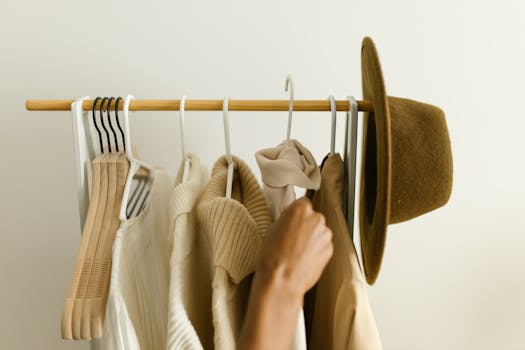

When the forecast can swing unexpectedly, having a reliable way to adapt your outfit makes every day smoother. Working smart layering into your routine turns any closet into a toolkit, so you’ll always feel comfortably prepared.
Weather can flip from sunny to chilly in minutes, and picking the right mix of layers streamlines everything from your commute to after-work plans. Learning smart layering helps you avoid discomfort and wardrobe frustration, making style decisions much easier.
If you want practical ways to handle weather twists without overthinking clothing choices, exploring smart layering will upgrade your daily life. Let’s look at easy steps and micro lifestyle skills to make layering work for you.
Building a Core Layering Routine That Fits Your Life
The first step in practical layering is knowing which clothes play which roles. When you define base, mid, and shell layers in your closet, daily outfit planning becomes a quick, no-stress process.
Think of layering as organizing your closet by function rather than color or trend. Base layers manage comfort and moisture, mid-layers add insulation, and outer shells protect from wind or rain. This approach brings clarity each morning.
Assigning Layers by Daily Activity
Start your day by picturing your schedule: Will you be indoors, outside, or on the move? This helps you match smart layering choices to your real needs. For example, a cotton tee works as a base, topped with a knit pullover for mild days.
If you’ll be walking to meetings, go for a thin, zip-up fleece as a mid-layer; it can be removed if you heat up en route. Always keep an outer layer nearby in case of wind or drizzle, letting you adapt without bulk.
Pairing weather apps with your closet means you avoid last-minute scrambles. The more you practice, the more automatic smart layering becomes for every scenario you face.
Mixing Traditional and Technical Fabrics
Cotton and merino wool excel as base layers. Technical blends such as moisture-wicking polyester keep you dry when you’re active or layering for changeable weather. Combining these in your outfits means you always balance comfort and function.
Choose a merino t-shirt under a classic cotton oxford to stay fresh during shifting indoor/outdoor events. Keep a compact synthetic vest for chilly evenings. This micro-skill makes your entire wardrobe more adaptable, regardless of season.
Layering tech gear with casual styles helps you avoid looking overly sporty at work or social settings, while gaining extra utility from every piece you own.
Picturing Real-life Layering Scenarios
Consider this: You’re headed to brunch, but the forecast hints at sudden showers. Throw a light windbreaker over your outfit, and keep a foldable jacket in your bag—no need to change plans or stop home.
If an office air conditioner kicks into high gear midday, slip on a kimono-style cardigan from your tote. When you think ahead about layering moments, your daily scripts shift from “What do I need to bring?” to “How will I adjust on the go?”
Smart layering means you never get caught off-guard or miss out—your clothing supports your choices.
| Layer Type | Best Fabrics | Weather Suitability | Next-Step Pro Move |
|---|---|---|---|
| Base Layer | Merino wool, synthetic blends | All seasons, moisture-prone | Pick odor-resistant tees you can rinse and reuse while traveling. |
| Mid Layer | Fleece, lightweight knits | Cool to cold, variable | Choose slim sleeves for easy fit under jackets. |
| Outer Shell | Waterproof nylon, softshell | Windy, rainy | Go for packs into pocket models for portability. |
| Insulator | Down, synthetic fill | Cold snaps, cold evenings | Layer with a thin shell to trap heat efficiently. |
| Hybrid Piece | Softshell, quilted shirts | Transitional weather | Use during shoulder seasons when temps swing afternoon to night. |
Using Layering to Simplify Daily Wardrobe Decisions
Setting a few ground rules for smart layering trims morning uncertainty and streamlines your start. Deciding in advance which pieces layer together best removes the daily guesswork and saves precious minutes.
Build micro-capsules in your wardrobe—a three-piece block like tee, sweater, and lightweight jacket—so you always have a layering system ready for changeable days. Keeping similar tones and textures in one stack means you can grab and go.
Choosing Versatile, Multi-Use Layers
Select a thin crew-neck as a base layer—it works alone indoors or under cardigans outside. Neutral knits and zip cardigans dress up or down, bridging casual to professional scenes with ease, helping your smart layering go further.
- Grab neutral tees as bases—they pair quickly with any outer layer, making combinations endless and fresh.
- Keep a dark cardigan handy for cool meetings or sudden chills; it matches nearly any outfit and stores compactly.
- Choose a water-repellent shell that stuffs into its own pocket, so unexpected rain doesn’t catch you off guard.
- Add a lightweight vest for surprise air-conditioning at work; zip off or stash as the temperature rises.
- Pick crew-neck sweaters as mid-layers—the clean neckline fits under blazers for an instant warmth boost.
Prioritize adaptability: each layer should work for at least three settings, like errands, brunch, or outdoor seating. Testing combos during a quiet weekend refines what really works.
Setting a Morning Layering Routine
Lay out clothing stacks for the week: base pieces, mid-layer alternates, outer shells in a visible row. This routine shrinks mental effort and makes responding to unpredictable conditions second nature—no scrambling, no frustration.
- Hang hooks by your entryway; grab a shell as you leave. Habit-building ensures you never forget an extra layer even in a rush.
- Put shoe racks near the door with slip-on options, so you can adjust complete looks at the last minute.
- Store compact windbreakers in tote bags; pulling one out mid-afternoon shifts your comfort level on the fly.
- Assign a small drawer to scarves and gloves year-round—they add warmth or polish on cool nights without weighing down your day.
- Keep a rolling mental note: “Am I dressed for ten degrees colder than it is now?” Use it as a quick check before leaving.
Automating layer choices each morning gradually trains your brain for micro-adjustments, matching your outfit to unpredictable weather in real time with less effort.
Adapting Layering Skills to Any Weather Scenario
Training yourself to use smart layering on the fly is a valuable micro-skill. Being prepared for weather shifts frames your entire day, whether you’re at an outdoor festival or dashing into a chilly store.
Customizing Layer Counts for Changing Temperatures
On mild spring afternoons, wear three thin layers: a stretchy tee, a soft sweatshirt, and a nylon wind shell. If the sun comes out, shed the top layer and tie it at your waist without missing a beat.
During autumn, swap the t-shirt for a wicking long-sleeve, and keep a lightweight insulated vest ready. When shade sweeps in, slip it on for instant warmth, adjusting piece by piece as conditions change.
This approach prevents overheating or sudden chills—your comfort grows because you’re never at the mercy of the elements. Smart layering becomes second nature, not a puzzle.
Prepping for Rain and Humidity Without Sacrificing Style
Smart layering means knowing which shell or mid-layer won’t turn clammy when showers roll in. Use breathable rain jackets over cotton and tech-fabric blends; you avoid that sticky, trapped sensation many raincoats cause.
Taping seams or picking a jacket with underarm zips delivers airflow, so you don’t sacrifice style for comfort. When rain fades, stash the jacket—your base layers still look put together for whatever’s next.
If you carry an oversized tote, stake out a corner for a packable jacket or umbrella, ensuring rainy days never disrupt your plans. You control your outfit, not the weather forecast.
Making Smart Layering a Reliable Habit Year-Round
Developing a reflex for smart layering means thinking seasonally, not just for one time of year. Each season asks for repeated adjustments, which is why layering goes from a one-off trick to a micro lifestyle habit.
After a few weeks, you’ll catch yourself reaching for backup layers before you need them, rehearsing “What if it gets chilly?” as a mental prompt every time you pack a bag or leave home.
Switching Seasonal Wardrobe Rotations
As spring pivots to summer, move heavy knits and down vests toward the back of your closet, while keeping rain shells within reach. Smart layering adapts week by week—your closet layout should too.
When autumn arrives, reverse the setup. Neatly fold light jackets near your keys, so they’re easy to snag on cold mornings. Those small transitions save time and keep you fully equipped daily.
Smart layering isn’t about owning more but about moving what you own into reliable spots, so every layer gets its chance to shine when conditions call for it.
Layering with Accessories for Micro Adjustments
A scarf, beanie, or fingerless gloves gives an instant heat boost and changes up your look. Slip them into your work bag, and you’ll extend ten degrees of comfort wherever you go, especially if you’re not keen to haul a bulky sweater.
Choose pieces in classic hues that blend with much of your wardrobe—a navy scarf or gray beanie elevates both casual and smart outfits. Go for lightweight knits, which transition better between temperatures and sit unobtrusively in your bag or pocket.
Practice pulling out a scarf as you head to lunch on a brisk day, or drape it around your shoulders in a cold meeting room. Each time you do, smart layering becomes a daily reflex.
Designing Layer-Friendly Outfits When Traveling or Commuting
Anyone who commutes, travels, or spends extended hours away recognizes the power of packable, adaptable layers. Plan an extra five minutes to outfit prep, and you’ll avoid feeling unprepared, whatever route your day takes.
Think in terms of “micro climate zones”: office, subway, outdoors, or café. Each setting may demand its own quick adjustment, so stash at least one portable mid- or outer layer in your daypack or tote.
Carrying Compact Layers and Folding Techniques
A thin, rollable puffer, vest, or shell can be compressed into a pouch, ready to slot in your bag. Master two or three folding tricks—such as rolling jackets into hoods for space savings—to increase bag space without wrinkling clothes.
Microfiber travel towels make for great impromptu seat pads or warmth boosters. Fold them small and add to your travel layers for a flexible fix. Each new use makes your routines lighter and more resilient.
Once you have compact layering options, your prepping shifts from “What if I carry too much?” to “What will make my day seamless?”
Packing for Multi-Weather Days
Check both temperature and precipitation before leaving. Pack in sequence: base (wicks sweat), mid (traps warm air), shell (blocks wind or rain). Always accommodate an extra micro-layer for evenings or AC-heavy transport.
Use zip pouches to organize layers by function—pull out what you need without digging through an entire bag. Grouping items makes adjustment immediate, so you avoid juggling supplies under pressure.
Consider bringing an extra pair of dry socks for comfort; a quick change on damp days turns a miserable commute into a manageable one, using the same micro lifestyle logic as smart layering.
Using Smart Layering to Support a Minimalist Closet
Creating a minimalist closet forces every item to earn its keep. Smart layering naturally fits this philosophy, letting you do more with fewer pieces so your space—and mind—remain uncluttered.
Instead of buying new, focus on combining base layers, mid-weights, and shells in different pairings. Your favorite pants, tee, and cardigan multiply into dozens of outfit possibilities just by rotating their order or adding an accessory.
Investing in High-Quality, Multi-Function Pieces
Choose staples in neutral colors, like black, navy, or beige. They anchor layering combinations and give every new item more value—a merino crew doubles as sleepwear, a chic turtleneck becomes a solo top or under-blazer base.
Spend a little more on performance fabrics for base layers; they resist odor and dry fast. Over time, this pays off in fewer washes and greater confidence, saving space and reducing decision fatigue.
Rotate pieces through work, errands, and downtime to maximize each item’s role. This habit clarifies which pieces deserve prominence and what you can eventually donate or replace.
Micro-sorting Layers Each Season
At season’s start, dump every layering piece onto your bed. Pick up each one and ask: “Did I use this in at least three outfits last month?” If not, consider boxing it for storage or letting it go.
Keep favorite layers front-and-center on a visible rack—out of sight, out of mind leads to underused clothing and excess clutter. Update this system monthly, so you’re always ready for unpredictable weather shifts.
Document which combos worked well; a note in your phone or a photo album helps recreate successful looks year after year.
Nurturing Confidence in Everyday Layering Decisions
Smart layering’s greatest gift is certainty—it turns daily weather quirks into smooth routines. Every time you say, “I knew I’d need that vest,” you build trust in your own preparation skills and improve each day’s flow.
This sense of readiness anchors your whole day, from work commutes to last-minute outdoor plans. The more you practice, the easier it gets to map weather to clothes, so you’ll spend less energy on what ifs and more doing what matters.
Ultimately, smart layering means you curate experiences, not just outfits. You’re free to enjoy wherever the day takes you, secure in your ability to adapt on the fly and stay comfortable through every weather turn.
Frequently Asked Questions
What is the key to successful smart layering for unpredictable weather?
Prioritize base layers that wick moisture, mid-layers that insulate, and shells that protect from wind or rain. Mix technical fabrics with casual pieces and pre-stack options in your closet. Practice packing an extra lightweight top in your daily bag for insurance.
Can smart layering help me minimize what I pack for travel?
Absolutely. By planning three functional layers—base, mid, shell—you cut down suitcase bulk and maximize outfit flexibility. Stick to neutrals and prioritize fabrics that dry quickly. Smart layering lets you adapt to any climate with fewer garments.
How do I avoid looking bulky when layering for warmth?
Use thin, fitted base layers under tailored mid-layers, like lightweight knits or a slim vest. Choose shells that sit close to the body. Stick to a maximum of three flexible layers for movement and a streamlined silhouette rather than piling on heavy pieces.
What’s the best way to layer accessories for temperature swings?
Store a scarf, beanie, and gloves in your tote for easy reach. Pick lightweight, neutral accessories in wool or tech blends. Prepare to add or remove items as needed, creating quick temperature shifts and elevating your look without a wardrobe overhaul.
Are certain colors better for smart layering?
Yes, neutrals like gray, navy, black, and soft earth tones offer endless pairing options. They anchor layering systems and make last-minute changes seamless. You can add pops of color with accessories or socks to vary style without disrupting the overall function of your layering routine.