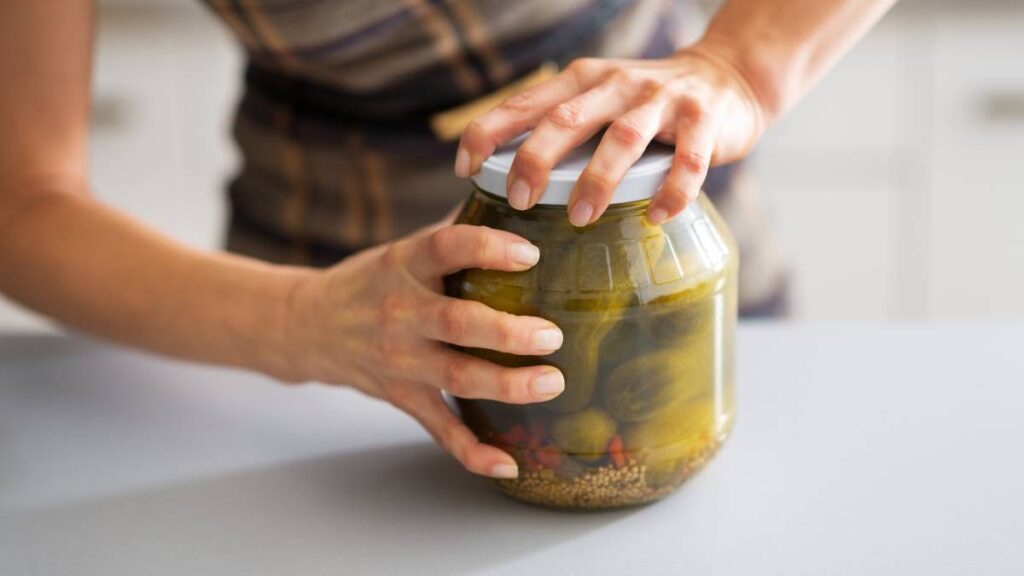
Getting stuck trying to unscrew a tight lid can stall dinner and spark frustration fast. Something as basic as opening stubborn jars interrupts momentum, breaks concentration, and even strains wrists when you’re in a rush.
That moment of wrestling with a jar happens to everyone, regardless of hand strength or kitchen prowess. Stubborn jars don’t discriminate—they appear when you’re hungry, busy, or hosting guests. Their unpredictability keeps daily routines interesting.
When ordinary grip fails against stubborn jars, simple micro-skills restore total kitchen control without stress or wasted effort. The following strategies will help you open any jar lid with confidence, efficiency, and safety. Let’s change the way you tackle sealed challenges.
Grip Solutions That Guarantee Results in Seconds
Applying strategic pressure to a stubborn jar lid usually cracks its resistance, especially with textured aids. By understanding the right grip methods, you reduce the effort needed for a smooth twist and save your wrists.
Rubber bands and kitchen towels become instant helpers for stubborn jars. Wrapping a thick band around the lid boosts traction so you can twist with less slip, even on oily or slick surfaces.
Using Rubber Bands for Secure Traction
A heavy-duty rubber band creates a non-slip surface across the entire jar lid. Wrap the band around the circumference, ensuring it lies flat to avoid pinching. The step—firm twist using strengthened grip—works for most brands and lid sizes.
This trick transforms a smooth metal jar into something that’s easy to hold and twist. If you say, “I never get the right angle!” try the two-handed approach while pressing the jar against your hip or counter’s edge for torque.
Analogous to using tire chains in snow, the rubber grips stabilize your hold, maximizing friction just where it matters. You’ll watch stubborn jars loosen with minimal exertion and newfound confidence.
Kitchen Towels: The Gentle Force Multiplier
When the lid isn’t budging, a dry towel absorbs sweat, grease, and condensation. Place the towel over the entire lid, wrap gently, and squeeze before twisting so the fabric won’t slip off mid-turn.
This technique is handy if you have limited rubber bands nearby. It’s especially useful with wide or sticky lids that demand a broad, even grip. Watch for subtle cracks or the faint pop signifying the jar has yielded.
If “my hands keep slipping,” swap towels until you find one that’s old but still provides significant texture. Never use thin, slick microfiber as it can slide dangerously and cause jars to drop.
| Method | Ease of Use | Best For | Try This When |
|---|---|---|---|
| Rubber Band | Very Easy | Small lids | Lid slightly damp or oily |
| Kitchen Towel | Easy | Wide jar lids | Grip is weak or slippery |
| Jar Opener Tool | Moderate | Vacuum-sealed jars | Twisting fails repeatedly |
| Spoon Tap | Easy | Tight vacuum | Lid won’t move at all |
| Hot Water | Easy | Metal lids | Lid is stuck after several attempts |
Pressure Release Tricks for Stuck Lids
Breaking the vacuum seal transforms stubborn jars into accessible containers. Disrupting air pressure means the jar gives way without all the brute force, making opening less strenuous and safer for everyone involved.
Instead of risking sore joints, introduce a little air. Slide a spoon, butter knife, or even the edge of a bottle opener under the rim. Listen for a quick “pop” sound, then twist—it should release with barely any grip strength.
Safe Utensil Use
Insert the utensil between the lid and the glass, but don’t jab down. Rock it gently until you hear an air pocket escape. This reduces frustration and prevents broken glass or bent cutlery. Switch utensils if resistance persists.
- Insert a thin butter knife for wider lids to gently pry up the seal ring; go slow to avoid breaking glass corners.
- Use a heavy-handled spoon to avoid accidental slips and gain leverage; grip with your palm, not fingers, for more control.
- A flat bottle opener focuses pressure at the lid edge—perfect if the jar is sticky or too slick for prying with small tools.
- Humming the lid tap along the circumference can loosen the vacuum effect; tap gently to prevent glass chips.
- Swap tools between attempts and alternate sides if the jar is especially stubborn; patience can make a difference.
When a hesitant jar finally opens, protect your hands by using the towel trick as a backup safety measure. Dispose of bent utensils immediately to prevent future kitchen mishaps.
Action Sequence for Quick Release
Lay the jar flat on a towel, hold steady, and press the chosen tool under one lid edge. Rock the tool in tiny, careful increments. This technique keeps your hands stable and reduces the risk of glass breakage while targeting stubborn jars specifically.
- Position the jar on a flat, stable surface so you’re not bracing it against your body. Stability is critical for avoiding slips as the air rushes in.
- Apply an even, gentle rocking—not stabbing—motion to the lid edge so the internal vacuum escapes in a controlled way. Rapid pries lead to dangerous glass breaks.
- Keep one hand on the flat side of the jar as a counterweight. This ensures the entire opening movement absorbs shock and doesn’t jump suddenly or roll away.
- Once you hear a soft hiss, stop prying immediately to avoid damaging the rim. The objective is letting a single pocket of air release the pressure, not repeated force.
- Always check for sharp lid edges before twisting open stubborn jars and clean up chips right away for future safe use.
This method delivers a consistent, damage-free result, especially when facing stubborn jars with thick glass or heavy-duty seals. With knowledge of air-disruption tricks, you can minimize physical stress every time.
Boosting Hand Strength: Small Steps, Big Returns
Developing grip strength pays dividends for stubborn jars, especially those sealed tight by manufacturers. Even modest improvements make kitchen tasks simpler, whether opening jars, lugging groceries, or carrying heavy pans.
Short daily routines—like stress-ball squeezes, rubber grip exercises, or wringing out thick towels—improve hand endurance over time. Stubborn jars serve as both a test and reward for micro efforts invested in boosting grip power.
Progressive Strengthening Routine
A basic set of five hand-strengthening movements takes less than ten minutes daily: make fists, squeeze, flex fingers against resistance, twist soft objects, and practice single-hand turns. Rotating through exercises keeps your hands limber and prevents fatigue spikes.
The visual of unscrewing a tight jar—shoulders relaxed, hands strong—acts as motivation to keep these routines consistent. Many say, “Two weeks of this, and I breeze through stubborn jars now.” Notice improvements next time you open a sealed lid.
If you already have a stubborn jar, try gripping it with a towel post-exercise to gauge real-time progress. The sensation of less struggle and more control becomes tangible after a few practice rounds.
When Fatigue Hurts More Than It Helps
Opening several jars in a row, as when prepping meals or canning, can quickly wear out even healthy hands. Know when to take a break: tense knuckles, stinging palms, or finger tingling signal it’s time to rest.
Swap hands between attempts, or switch to a tool like a jar opener or rubber gripper if a jar resists after a few tries. This preserves hand function over the long term and avoids repetitive strain injuries.
For persistent soreness, soak hands in cool water, stretch, and flex. Soreness means progress, but pain should prompt a slower approach. Stick with slow-and-steady improvements for stubborn jars and you’ll notice less stress in daily routines.
Temperature Techniques for Quick Jar Releases
Thermal expansion works wonders for stubborn jars with metal lids. Applying heat causes the lid to expand slightly and loosen its grip, while cold contracts the glass, maximizing your leverage with minimal effort.
If a stubborn jar won’t yield through grip or pressure, run its lid under hot tap water for 30–60 seconds. Dry it well and twist immediately to take advantage of the instant expansion.
Applying Direct Heat for a Rapid Solution
For especially tough lids, dip just the metal lid edge (not the glass itself) in hot water, using a mug or small bowl. Use tongs for safety, protect surfaces, and wipe dry promptly. The contrast between hot lid and cool jar can break even the most resistant seal.
Never microwave a sealed jar—pressure can build to dangerous levels. Likewise, don’t set jars on stovetops, which may crack the glass and ruin contents. Stick to safe, controllable heat from hot water or a heated rice bag wrapped around the metal only.
If you’re in a pinch and have no access to hot water, friction heat can work: rub the lid briskly with your palms for about 15 seconds. This creates just enough expansion to help with stubborn jars until you secure a better heat source.
Leveraging Specialty Tools for Consistent Success
Purpose-built jar openers—whether handheld or electric—eliminate the risk of injury and succeed where bare hands give out. With a low cost and easy storage, these tools turn stubborn jars into one-twist tasks.
Handheld models clamp to the lid and give a mechanical advantage, perfect for those with arthritis or grip concerns. Electric openers automate the twist, requiring virtually no input beyond pressing a button and holding the jar steady.
Choosing the Right Opener for Your Needs
When buying a tool, look for sturdy construction, wide compatibility, and ergonomic handles. If you frequently battle stubborn jars, invest in a premium opener—avoid bargain models that slip off or jam under pressure. Test several, and keep one in an easy-to-reach drawer.
For people who say, “Nothing ever fits these big pickle jars,” pick an opener with adjustable jaws or an electric model. Ask a store to demonstrate its grip if you’re unsure about size or style. Don’t just settle for the first you see online—test in person.
Analogous to having a reliable spare tire, a specialty jar opener becomes an unassuming but indispensable kitchen asset. Pull it out whenever a jar resists, and enjoy peace of mind knowing you’re always prepared for stubborn jars of any variety.
Putting It All Together: Your Micro Skillset for Every Jar
Combining grip, pressure, temperature, and tool tricks transforms you from jar struggler to kitchen problem-solver. Each method tackles a different jar challenge—slippery, vacuum-sealed, oversized or overtightened—so you’ll always have options within reach.
As confidence grows, you’ll find stubborn jars becoming less of a hassle. Knowing which sequence to follow speeds up meal prep and relieves family or guests from awkward wrestling matches at the dinner table.
Example Sequence for a Stubborn Jar
Let’s say you grab a stubborn jar of salsa right before the game. Wrap the lid with a rubber band for initial grip. If it sticks, try a towel; if stuck still, run the lid under hot water, then gently pry under the rim. If all else fails, use your specialty opener.
After successfully opening a series of jars using these skills, jot down what worked best for each situation. Note which methods your hands prefer and store your chosen tools where you’ll always find them. Consistency creates muscle memory for future stubborn jars.
The more you approach jars as micro skill opportunities, the more natural these steps become. Even quick kitchen victories motivate you to tackle other little domestic puzzles, building your lifestyle abilities one jar at a time.
Frequently Asked Questions
What causes some jars to be especially stubborn to open?
The tightness comes from a vacuum seal formed during packaging. Temperature changes, residue under the lid, or heavy machine tightening can also make stubborn jars harder to open. Releasing the air seal or increasing grip solves most cases.
Can I damage a jar or lid using kitchen tools to open it?
Yes, if you use excessive force or the wrong type of utensil, you risk bending metal lids, cracking glass, or creating sharp edges. Always use gentle prying and stop if a lid won’t budge—you can switch methods to stay safe.
Are specialty jar openers worth buying?
Specialty jar openers provide leverage and protect hands, so they’re beneficial if you encounter stubborn jars frequently or have grip challenges. Choose a durable, adjustable model for maximum value, and keep it accessible in your kitchen.
Is there any risk in using hot water to loosen a jar lid?
Hot water should only contact the metal lid; don’t immerse glass jars fully or use boiling water, as sudden temperature shifts may crack glass or spoil food. Dry the lid thoroughly before opening to avoid burns or slippery hands.
Can strengthening hand muscles really help with stubborn jars?
Building hand and grip strength noticeably reduces the effort needed to open stubborn jars. Regular stress-ball, towel-wringing, or resistance exercises train your muscles to withstand awkward positions and repetitive twisting motions safely and efficiently.