Simple supplies like rubber bands can unlock tiny, practical wins. They help streamline chores, organize spaces, and solve minor frustrations in ways that usually go unnoticed but make your day smoother.
Dig into these friendly, expert-backed strategies for putting rubber bands to work in your micro lifestyle skills toolkit. You’ll soon spot new ways to breeze through daily tasks—with less hassle and more satisfaction.
Keeping Items Neat and Secure Yields Instant Everyday Order
When loose items pile up on countertops or spill out of drawers, rubber bands will quickly corral tools, utensils, and cords. Use them to bundle objects by type and keep your living spaces tidy.
There’s a reason professionals group supplies this way: it eliminates clutter at a glance. Try wrapping a rubber band around markers or kitchen utensils before storing them back in their spot.
Bundle Cables Without Tangling: A 2-Step Mini-Process
Gather all electronic cords in your work area. Lay each cord flat, coil it gently, and secure it by looping a rubber band around the coil twice. Place the finished bundle in a drawer or basket.
This method prevents knots and saves search time later. You might notice how much easier it is to tell a phone charger from a laptop cable when they’re tidy and easy to grab.
For best results, replace stretched-out bands every few weeks so bundles stay snug. Labeling the cords with a marker on the band saves even more time.
Using Rubber Bands to Group Small Tools Efficiently
Pick up loose screwdrivers, pliers, and similar-sized tools. Stack them, then wrap a wide rubber band in the middle and push them to the back of a drawer.
This approach keeps things grouped and reduces the rattle every time the drawer moves. Visual clutter drops, and items are ready when you need them.
For outdoor toolkits, select UV-resistant rubber bands. They won’t degrade from sun exposure and will keep your gear secure between projects and uses.
| Item | Best Rubber Band Size | Bundling Frequency | Pro Tip for Results |
|---|---|---|---|
| Headphones | Thin, small | Weekly | Add a label to the band for quick identification |
| Utensils | Wide, medium | Every use | Keep separate bundles for each type |
| Sewing supplies | Small, thin | Monthly | Put color bands for categories |
| Office cords | Medium, sturdy | As needed | Use bands to sort by device |
| TC cables | Wide, strong | Biweekly | Double-loop for extra hold |
Prevent Slipping and Spills: Practical Grips for Daily Safety
You can prevent common slips and accidents with a single rubber band. Add friction to smooth surfaces and boost control, especially in the kitchen or garage.
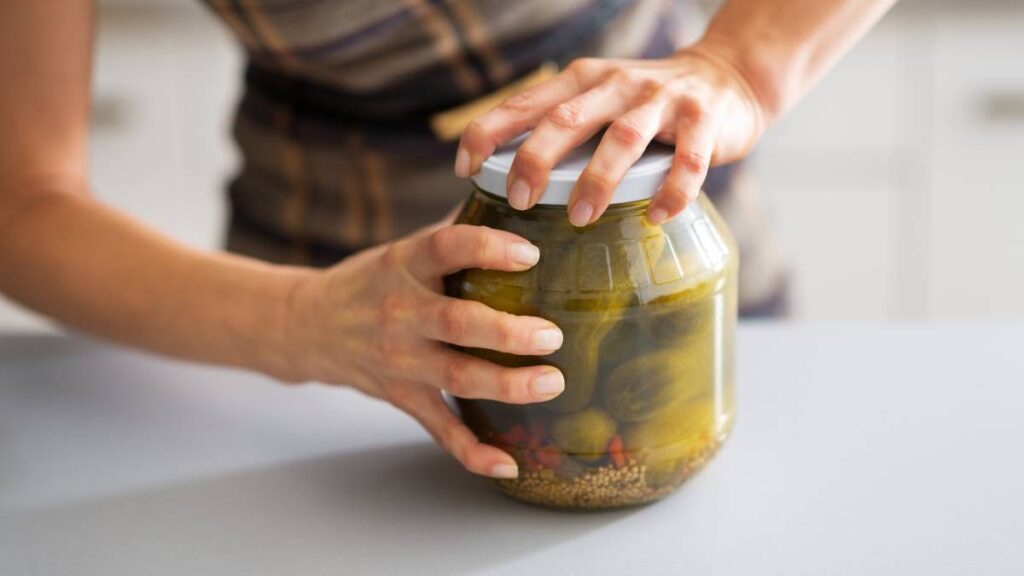
Wrapping a wide rubber band around a jar lid offers an instant grip, letting you open it with less force. This same trick works with slippery brooms and screwdrivers.
Stabilizing Cutting Boards
Secure a damp cutting board by stretching a rubber band around each end before food prep. The added friction stops the board from sliding on countertops, making cutting safer and more predictable.
- Wrap rubber bands around glass tumblers for a non-slip grip; this stops condensation from making the glass slip out of your hand.
- Place bands around a tool handle before working outdoors; it prevents the tool from slipping even when hands are sweaty.
- Secure bands to slippery makeup brushes before storing them in a bathroom drawer; you’ll be able to grab and pull them out confidently.
- Put thick bands around toddlers’ cups; they act as training grips and help prevent spills as children learn coordination.
- To keep measuring spoons in place, group them with a loose band and store them upright in a jar for easy access on busy days.
For added control while gardening, wrap a few rubber bands around the middle of your watering can handle and see the difference. Less hand fatigue, more steady pours.
Slip-Resistant Shoe Hacks
Wrap two wide rubber bands around the front of your shoes for temporary traction on slippery routes like tile floors or icy sidewalks. The textured band reduces slips in the moment.
- Stretch bands over a paint can to wipe off excess paint from your brush; this keeps the can clean and workspace tidier, preventing slippery drips.
- Keep cutting tools from rolling off your workbench by wrapping a wide rubber band around the handle and placing another near the blade for extra stability.
- Loop a few bands around glass containers before storing them; this creates friction so they stack more securely in cupboards or lunch bags.
- Create a quick non-slip bookmark by wrapping a small rubber band around the bottom corner of your book; pages won’t accidentally flip when handling.
- Put bands around the lids of spice jars; twisting them open or closed becomes smoother, especially if your hands are damp from cooking prep.
See which household surfaces benefit most from traction. Experiment, then put those rubber bands back in your kitchen drawer for tomorrow’s tasks.
Budget-Friendly Home Organization Boosts Productivity
With a handful of rubber bands, bring order to crowded drawers and shelves. Group items by purpose and manage your storage with these time-saving, budget-neutral habits.
Keeping categories together eliminates search time. Rubber bands offer a simple way to reinforce your new storage rule: like goes with like, every time.
Optimize Pantry Organization
Bundle snack packs and loose spice packets with a single rubber band. Place the bundle in a clear bin within the pantry to instantly tidy the shelves.
Assign a different color rubber band for various food categories. This visual system speeds up meal prep and grocery restocking because you’ll spot groups in seconds.
Test this method with bread clips and bakery bags. A rubber band seals freshness and makes items stack better, while also cueing you to use older food first.
Email Cords: Mini System for Remote Work
Set aside a small tray next to your at-home workspace. After each meeting, roll cables up and use a rubber band to keep them looping neatly together.
Use a sticky note to flag cables you haven’t used in a week. Remove the rubber band and that cable; this clears visual clutter fast, leaving only essential tech handy.
Adopt this quick reset at the end of the workday. Your desk stays open, and finding a charger for tomorrow’s meeting is a breeze with everything grouped and easy-to-find.
Creative DIY Solutions for Common Problems Streamline Chores
Everyday frustrations are easier to solve with rubber bands creatively applied. Adjust, repair, or improve small household items to save time and minimize interruptions.
Available in various sizes and strengths, rubber bands interact well with nearly any material. Use them as a temporary fix, test what works, and adapt for more permanent repairs later.
Improvised Phone Holder When Cooking
Slip a rubber band horizontally across each side of a kitchen cabinet handle. Place your phone between the bands—they’ll keep it upright and in view for recipe video playback hands-free.
This quick hack lets you reference instructions without risking spills or interruptions. Move the bands higher or lower to adjust the phone’s angle for easy visibility in any light.
At clean-up, remove the bands and wipe down the handles. No adhesive residue, no equipment, and your phone stays safe from splatters while still accessible.
Sealing Leaky Shampoo Bottles for Travel
Wrap a wide rubber band twice around the lid of liquid travel bottles. This makes it harder for the cap to pop open during transit, containing leaks in your luggage.
Add a clear label to the outside band before packing. You’ll grab the right product first—even in a dimly-lit hotel bathroom or busy gym locker room.
Switch out the rubber band after each trip. This way, the seal stays tight and bottles don’t loosen from repeated pressure in transit.
Teaching Micro Habits with Rubber Bands Shapes Consistency
Shape better daily habits by using rubber bands as tiny triggers for routine-building. Place a rubber band in spots you’ll see at the right moment to remind yourself to act.
Micro cues like these support new routines with gentle nudges at decision points: the faucet, the backpack strap, or next to a technique you want to reinforce.
Habit Cue for Morning Hydration
Slide a colored rubber band over your water bottle every evening. Remove it after you finish the bottle in the morning. This single, visible step makes your goal concrete and trackable.
Set up another cup by the bathroom, repeating the habit for a second glass before your first task. Routine grows from small, repeated cues like this.
Stack bands on the bottle for each refill you want to complete. As you remove each one during the day, you’ll see progress and feel a boost that encourages follow-through.
Micro-Goal Tracking on Your Desk
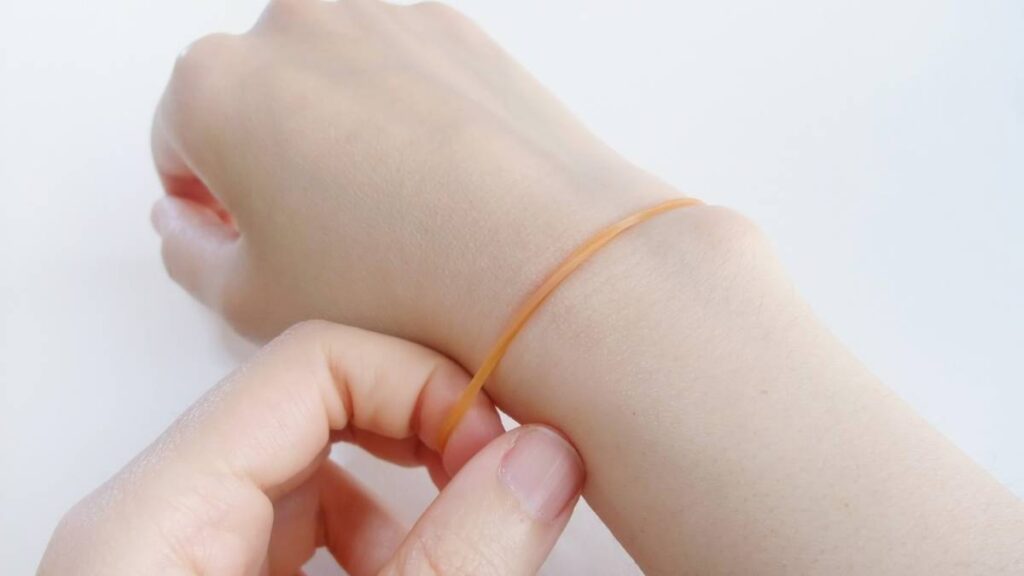
Start with three rubber bands on your dominant wrist. Whenever you finish a planned micro-task (reading two pages, replying to an email), move one band to the other wrist.
This visible tracker keeps your goals top-of-mind without digital reminders or interruptions. Friends and family might ask about your method, turning accountability into shared motivation.
If you get off track, reset by moving the bands back and planning your next mini-steps. Simple, tangible signals keep you focused on progress rather than perfection.
Everyday Life Hacks for Kids and Families Encourage Independence
Rubber bands serve as friendly training tools and home helpers for all ages. Show your kids how these everyday items create new routines and increase their self-reliance right at home.
Assign family tasks using rubber bands as cues or boundaries. The band marks each person’s spot, holds weekly allowance money together, or signals whose lunchbox is whose.
- Loop bands on snack bags after school to create portion guides; kids grab what’s theirs without arguments, building healthy independence from a young age.
- Attach a rubber band on toothbrush handles to color-code for each family member and avoid cross-use, especially when younger kids share a bathroom.
- Mark cleaning supply bottles with a rubber band for each chore owner. Build positive habits by making team clean-up feel organized and fair.
- Wrap a band at the end of bookmarks for homework assignments. The book opens right to the page, streamlining work sessions and building study autonomy.
- Organize art supplies by band color, grouping markers, colored pencils, and paintbrushes. Kids will enjoy clean-up and setup—making creative routines more appealing.
Learning with rubber bands doesn’t end at chore time. Let children invent new uses: they’ll gain problem-solving confidence as they experiment.
Summing Up the Power of Micro Lifestyle Skills with Rubber Bands
Tiny changes like these build momentum, turning daily frustrations into micro wins. Together, these rubber band hacks form an accessible toolkit that anyone can use to improve order, create safety, and encourage new habits.
Rubber bands take up almost no space, yet their impact on routines is outsized. Every time you grab one, you’re adding a subtle efficiency boost—and the satisfaction of a task made easier.
Next time you stumble across a forgotten batch at home, remember these lessons. Try out a new approach, and watch as rubber bands quietly improve your day-to-day life—one small upgrade at a time.
Frequently Asked Questions
What are the safest surfaces for rubber band hacks around the home?
Rubber bands are safe on most plastics, glass, and metal. Avoid leaving them on painted surfaces or delicate electronics, since the band can create pressure dents or catch on sharp edges. Rotate bands every few weeks for best results.
How long should I expect a rubber band to last in repeated-use scenarios?
Most household rubber bands last for several weeks when not exposed to sunlight, stretching, or excessive heat. When you notice the band getting brittle or cloudy, swap for a fresh one to maintain function and safety.
Can rubber bands be used safely with food storage and kitchenware?
Many rubber bands are non-toxic, but for direct food contact or sealing, always look for food-grade or labeled safe bands. Use bands only on jars and containers—not directly touching food—to minimize risk.
How can I avoid common problems like snapped bands or deteriorating rubber?
Store rubber bands in a cool, dry place away from sunlight or heat vents to maximize lifespan. Replace bands whenever you see small cracks or excessive stretching, and avoid over-tightening whenever possible.
Are there creative ways to recycle or reuse worn-out rubber bands?
Once a band loses its elasticity, cut it open and use it as a grippy tie for plants in the garden or as a bookmark. Thinner strips can bundle lightweight items or group papers, extending the lifecycle of each band.