Getting ready for a trip, most people spend surprisingly long weighing each item for their bag. But somewhere between shoes and toiletries lurks a quiet debate—should you roll or fold your clothes when packing light?
The answer affects more than suitcase aesthetics. Packing light transforms your entire travel experience, giving you freedom to move, skip baggage lines, and breeze through tiny rental rooms. The rolling versus folding choice shapes those benefits every trip.
This article digs deep into each method’s strengths, shows real-world outcomes, and arms you with small but powerful micro lifestyle skills to make packing light effortless. Read on to learn what truly works—and what to try next time you fly.
Comparing Results: Which Method Packs More Into Less?
You’ll see exactly how rolling and folding affect the real capacity of your suitcase by looking at space utilization, ease of access, and wrinkle prevention. Use this comparison for smarter packing light strategies.
When someone says, “I packed for two weeks in just a carry-on,” they’re working micro lifestyle skills daily, leveraging every inch. Rolling, folding, or a combo—each makes a visible difference.
Space Management With Rolling: Why It Works For Tight Bags
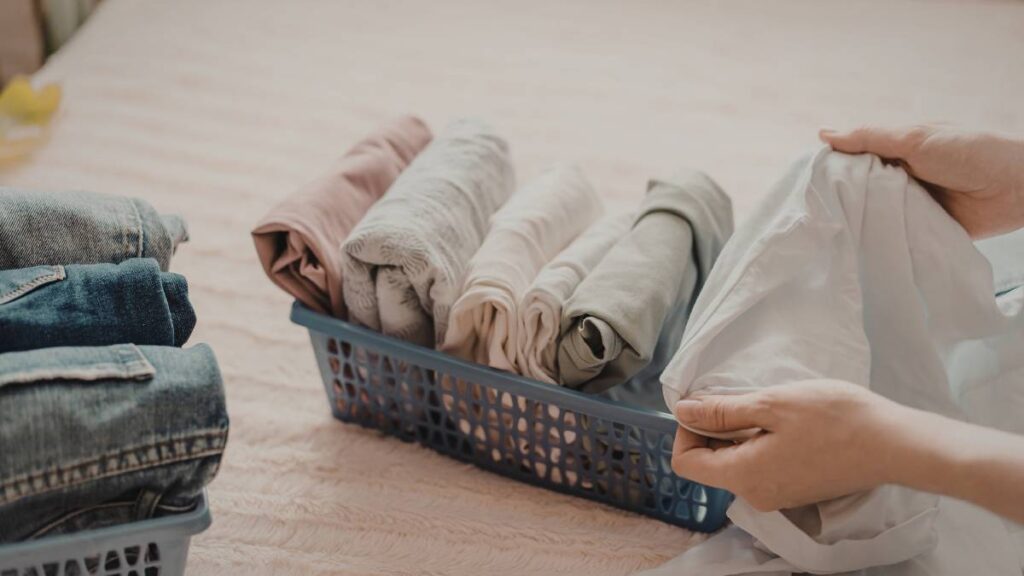
Rolling turns each item into a tidy cylinder. Line them up, and gaps vanish. It’s like stacking coins instead of stacking bills—the rolled clothes nestle better, helping maximize packing light goals. Try rolling tees tightly, then slotting them along the bag’s edge.
Rolling excels with soft, flexible clothing like t-shirts, underwear, and workout gear. Pack these first, standing items upright. You can see every rolled item at a glance and pull one out without disturbing the rest, another real micro lifestyle gain.
To master the roll, smooth clothes flat, fold sleeves in, and roll from the bottom up using steady pressure. Use both hands and roll tight, but don’t overstretch fabrics. Test: your rolls should stay firm, not unraveling when set down.
Folding For Structure: Reliable For Polished Packing
Folding builds order. It creates neat, flat stacks that fit well into rectangular packing cubes or zipped pouches. If you value structure over flexibility, folding supports packing light by curbing overpacking. Place stiffer shirts and formal pants on the bottom of your bag.
This method works best for collared shirts, blouses, and anything you want to keep crisp. For a perfect fold, lay your item face-down, fold in sleeves, then fold horizontally into thirds. Fit these on one side of your bag for easy retrieval.
Folding takes a little more time upfront but helps fragile fabrics hold their shape. If you’re packing for business or need wrinkle-free outfits, folding is your micro lifestyle ally for a tidy, compact bag.
| Criteria | Rolling | Folding | Takeaway |
|---|---|---|---|
| Space Usage | Maximizes corners & crevices, reduces gaps | Stacks neatly, uses vertical space | Mix methods: Roll soft items, fold rigid ones |
| Wrinkle Prevention | Reduces creases for soft fabrics | Better for crisp shirts | Roll casual, fold formal wear |
| Speed of Access | Quick to grab individual rolls | Easier to manage stacks | Combine for easy sorting |
| Type Suitability | Great for knits and casualwear | Ideal for business clothes | Match method to clothing |
| Overall Packing Light Score | High for casual travel | High for business or formal trips | Hybrid yields best results |
Building a Combo Strategy for Packing Light Success
If you want maximum efficiency on every trip, blend rolling and folding into your packing light micro lifestyle toolkit. The combination method gives you the best of both worlds regardless of destination or trip length.
For example, someone heading for a week-long city break rolls their workout clothes, underwear, and t-shirts, while folding blazers and button-down shirts. This combo is easy, practical, and adapts to your changing wardrobe.
Pairing Techniques To Your Travel Needs
When prepping for mixed-weather destinations, rolling your outerwear and folding your smarter pieces helps balance bulk and accessibility. Rolling keeps you nimble as you grab a quick sweater; folding protects those items you wear to dinners or meetings.
- Roll casualwear to fill suitcase gaps—this makes spontaneous outfit swaps on the go easier.
- Fold dress shirts and structured garments to save their shape for events or business gatherings.
- Combine both in layered packing order for trip flexibility—roll at the base, fold on top.
- Place heavier, rolled items near the bag wheels for better balance and smoother rolling through the airport.
- Reserve a section for fold-only items to avoid accidental wrinkling when repacking mid-trip—key for those who pack light for city hopping.
With a hybrid approach, you don’t waste time repacking just to find your favorite shirt. You simply lift out folded layers or grab a neatly rolled tee, ready for any moment.
Upgrading With Packing Accessories
Packing cubes and compression bags give serious packing light benefits when used with these techniques. Choose a small cube for rolled socks and underwear, and a larger flat cube for folded pants.
- Use color-coded cubes to separate rolled items from folded, saving you search time.
- Compression bags flatten folded clothes, squeezing out air and keeping everything firm for longer stays.
- A zip pouch for rolled undergarments adds instant organization to your setup and avoids rummaging on hotel floors.
- Mesh bags for clean and dirty laundry let you stick to your micro skills regime on the road—switch items without mixing clean and worn clothes.
- Try small packing cubes inside backpacks for rolled t-shirts, making lightweight travel simple and organized for those who practice packing light constantly.
Nothing beats the feeling of zipping up a bag where everything has its place, maximizing your space and keeping the chaos at bay throughout your journey.
Clothing Types That Transform With the Right Technique
Every garment responds differently to rolling or folding, so matching method to item is key. Your packing light commitment deepens when you make these choices by habit and material, not just intuition.
Consider fabric type, trip purpose, and weather needs—your micro lifestyle grows sharper every time you evaluate a new packing scenario by clothing and context.
Cotton, Synthetics, and Stretch: Rolling Wins for Ease
Cotton t-shirts, leggings, and athleisure pieces thrive with rolling. Folded, they quickly sprawl and wrinkle; rolled, they line up neatly and waste no space, speeding up packing and unpacking alike. After a day on the move, you’ll reach for these first.
Synthetics and knits roll up even thinner than cotton, so experiment by rolling these into your bag’s smaller corners. If you ever wondered why hiking fans rave about rolling, it’s because you’ll fit more lightweight gear than by folding alone.
Stretch fabrics like merino wool can compress even further when rolled tightly, remaining resilient after long transport. Adopt this micro habit for repeated trips, and you’ll notice your packing light approach getting easier and more predictable with each journey.
Button-Downs and Blazers: Folding Maintains Form
Packed folded, a crisp button-down emerges ready to wear; rolled, it creases and loses shape. For business trips or formal starts, set aside time to fold these properly at home. The result is a wrinkle-free appearance on arrival.
For blazers or structured jackets, folding with tissue between layers preserves the seams and silhouette. This simple act protects your investment and keeps you looking sharp, even as you prioritize packing light above all else.
Structured pants—think slacks or chinos—benefit from folding, especially along their existing creases. Store these flat at the bottom of your suitcase; top with rolled casuals. Whether traveling for meetings or dinner, you’ll pull out wrinkle-minimized clothing every time.
Final Thoughts: Mixing Methods Leads to Micro Lifestyle Wins
By blending rolling and folding with intention, you sharpen a practical micro lifestyle skill that supports real-world packing light needs. No longer fighting with your bag before every trip, you move quickly and efficiently, keeping stress low and style high.
Each method has its moment—rolling maximizes space and flexibility, folding delivers structure and formality. Situational awareness separates seasoned travelers from newbies, turning each packing session into a lesson that pays off repeatedly.
Commit to practicing these micro adjustments on your upcoming adventure. Each new trip is a laboratory: optimize, experiment, and your personalized packing light routine will soon feel as natural as packing your favorite travel pillow or snacks.
Frequently Asked Questions
What’s the biggest advantage of mixing rolling and folding for packing light?
The biggest advantage is adaptability. A blended approach lets you use suitcase space wisely and keeps each clothing type in its best condition. That means fewer wrinkles, better organization, and more outfits for diverse travel situations.
Are there specific clothes that should always be rolled or folded?
Yes. Roll stretchy, casual, or synthetic items like t-shirts, underwear, leggings, and pajamas. Fold collared shirts, blazers, and dress pants to preserve structure and minimize unwanted wrinkles, supporting your commitment to efficient packing light habits every time you travel.
Will rolling help my clothes stay cleaner compared to folding?
Rolling does help keep items separated, which can reduce the transfer of dirt or odors compared to loose stacking. Place rolled clothes in packing cubes or mesh bags to further protect them and keep your packing light lineup cleaner between destinations.
How do I avoid forgetting items or overpacking when aiming to pack light?
Make a packing checklist before every trip, marking off essentials first. Lay clothing out visually; stick with neutral colors and versatile layers to maximize outfit options. Keep your list short, and use accessory pouches to track electronics, chargers, or toiletries.
Does weather impact which packing method to choose?
Absolutely. For warm weather, use rolling to squeeze in more lightweight tops and shorts. In cooler climates, fold bulkier items like sweaters to stack neatly, while still rolling softer items for underlayers. Always check the forecast and adapt your method for each trip.