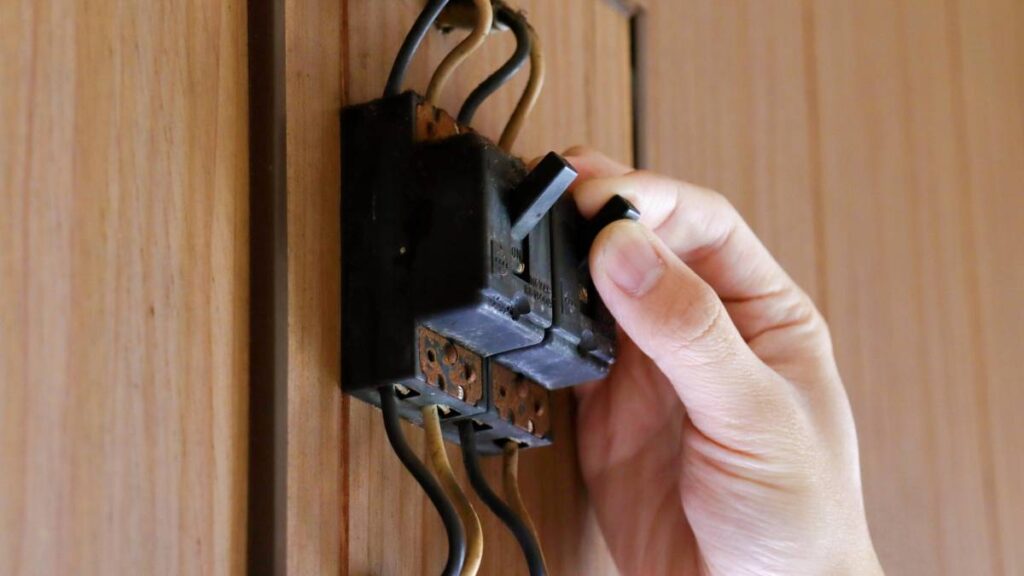
You flip the switch, but nothing happens. That familiar moment of annoyance pushes you to the panel, signal that a circuit breaker needs your attention. Knowing what to do next can save you hassle and time.
A tripped circuit breaker affects more than just your device; it can interrupt daily routines and even raise concerns about safety. Learning a few smart, quick skills puts you back in control and adds a layer of home confidence.
This article will walk you through practical, proven steps for getting the lights back on, identifying root causes, and helping you handle any tripped circuit breaker situation safely and smoothly. Let’s get started.
Recognizing Circuit Breaker Trips and Taking Immediate Steps
Spotting a tripped circuit breaker right away prevents confusion and speeds up your response. Watch for sudden power loss, blinking devices, or powerless outlets in the same room or area.
If you notice specific lights or appliances shutting off at once, that’s a clear clue. Your next move is to locate your electrical panel and check for a breaker handle that’s between ON and OFF.
Identifying the Right Breaker in Your Panel
When you open your panel, look for a breaker handle that feels loose or sits mid-way. Run your finger gently along each breaker, listening for a faint click as you find the tripped one.
Panels are often labeled by room or function—if so, use those notes to narrow down your search quickly. If not, a small flashlight helps see and compare the positions of each breaker fast.
In households with multiple panels, check all—basement, garage, main hall. In new homes, look for printed or taped panel maps, which make this task faster and reduce trial and error.
Typical Signs to Watch For and What They Mean
When a breaker trips, you might hear a soft thunk and notice all devices in one spot turning off. Circuits with large appliances tend to trip under heavy load or short circuits.
Sometimes, a burning odor, slight warmth around the panel, or visible wear suggest electrical issues. In these cases, pause and inspect before resetting for your safety.
Intermittent or repeated trips may indicate a major wiring issue, overloaded outlets, or a malfunctioning device. Jot down patterns or times—they matter for tracking cause and preventing repeat trips.
| Symptom | Possible Cause | Immediate Action | Next Step |
|---|---|---|---|
| Entire room without power | Breaker trip | Check panel | Reset if safe |
| Breaker handle halfway | Overload or fault | Turn off appliances | Reset breaker |
| Sparks or burning smell | Serious fault | Stay clear | Call electrician |
| Repeated tripping | Underlying problem | Note pattern | Consult professional |
| No effect on reset | Damaged breaker | Try again once | Replace if needed |
Prepping to Reset the Breaker with Maximum Safety
Preparation before resetting a circuit breaker ensures your safety and minimizes electrical risks. Unplugging devices and ensuring dry hands are critical steps everyone should take before touching the panel.
Removing potential hazards—like a spilled drink near the panel or a wet floor—can make the difference between a routine reset and a dangerous mishap. Double-check the area for anything out of place before proceeding.
Checklist for a Safe Reset
Use this short checklist: Switch off all affected appliances, remove nearby objects, ensure dry conditions, grab a flashlight if needed, and stand on a dry mat or wooden surface.
- Switch off and unplug electronics before resetting the breaker—this prevents sudden surges and protects sensitive equipment from further electrical stress or damage.
- Stand on a dry wooden board or rubber mat while you touch the panel—this creates a barrier between your body and potential stray electric currents.
- Use only one hand to operate the breaker—keeping your other hand away reduces the risk of a full-body electrical path if something goes wrong.
- Check for any moisture, condensation, or spills near the breaker—a dry environment is key to electrical safety and helps you stay grounded and unexposed.
- Keep others, especially children and pets, clear of the work area. This avoids accidents and gives you space to focus on the task at hand without distraction.
Ready yourself mentally with these steps so you’re confident and methodical, even if the circuit breaker trips unexpectedly at night or when you’re rushed.
When to Pause and Avoid Resetting
If you smell burning, see sparks, or hear loud buzzing, don’t reset. Walk away, alert anyone nearby, and call a professional to check the panel.
- Abnormal heat on the panel means wait—excess warmth can suggest damaged internal wiring and is not safe for DIY handling or basic resets without professional review.
- Sparks during a previous reset attempt indicate a fault—do not touch the panel further, shut off the main power if safe, and seek help instead of risking injury.
- Panel faceplates that won’t open smoothly could signal partly melted components or other dangerous defects—never force open or tamper with stuck covers.
- Flooding or recent leaks near your breaker box warrant zero interaction—water and electricity cannot mix safely, so step back until the situation is evaluated.
- If you reset and the breaker instantly trips again, unplug everything on the circuit before re-trying—otherwise, avoid repeated resets to prevent escalation.
Treat these moments as non-negotiable safety signs and call for assistance—using caution protects you, your family, and your home from further harm.
Step-by-Step: Successfully Resetting a Tripped Circuit Breaker
Following precise steps to reset your circuit breaker restores power and avoids further damage. Start with caution, then move clearly and confidently, copying each sequence exactly.
Phase 1: Prepping for the Reset
Begin with the basics: check that your hands and the panel area are dry, ensure no liquids are nearby, and clear any obstructions for safe footing and full visibility.
Going analog, imagine treating your circuit breaker like a stubborn door: gentle even pressure works best. Use your eyes and hands in tandem, and don’t shove a stuck switch.
Confirm you’re working on the right breaker. Press lightly away from your body, letting the switch come fully to OFF, then back swiftly to ON for an effective reset.
Phase 2: Post-Reset Checks and Reconnection
After successfully restoring power with the reset, pause before plugging everything back in. Check for heat, buzzing, or any signs of stress at the panel or affected outlets.
Reconnect appliances one at a time, starting with lights and low-draw devices. Watch for any flicker, humming, or failure, which could reveal lingering issues or another tripped circuit breaker.
If all seems normal, restore your routine, and make a habit: keep a record of what happened. Future troubleshooting becomes easier when you’re detailed and patient during every circuit breaker reset.
Detecting Common Causes of Tripped Circuit Breakers
Being able to spot why a circuit breaker trips lets you prevent repeat issues. Three leading reasons emerge: circuit overload, short circuits, and ground faults.
Each type has unique warning signs. By examining what was running at the time of the trip, you can quickly determine which factor is at play for your specific circuit breaker scenario.
Recognizing Circuit Overload Risks
If you’ve just powered several devices—like a microwave, toaster, and hairdryer on the same line—overload is the likely trigger. Watch for dimming lights or slowed appliance motors prior to the trip.
Keep a mental log of which gadgets were active and their locations. Overloading can happen at the busiest time of day, so jot down any recurring tripping patterns for future reference.
After resetting your circuit breaker, spread out appliance use and avoid clustering power-hungry devices. If you must run them together, use outlets on different circuits to stay balanced.
Spotting Short Circuits and Faults
A short circuit usually causes a sharp, audible pop. Wiring problems or damaged plugs are regular culprits, especially near windows, bathrooms, or the kitchen, where moisture intrudes.
Don’t ignore visible burn marks, melting, or a persistent burnt odor. Only plug back in after a careful inspection, and prioritize safety by keeping faulty devices unplugged until checked by a pro.
When in doubt, swap out suspicious cords for a test. If your circuit breaker stays on without the device, you’ve likely found your source—replace the item or have it repaired for peace of mind.
Creating Smart Habits for Circuit Breaker Longevity
Developing consistent routines protects your circuit breaker and keeps your home’s electrical system healthy. Routine visual checks, moderate device use, and seasonal reviews are all micro-lifestyle upgrades to build in today.
By treating your panel like you do your car’s dashboard—monitoring for unusual changes—you avoid major service calls. Show family members your routine so everyone in the home can respond calmly and reliably.
- Schedule a monthly breaker walk-through using a small flashlight—look for loose labels, odd positions, slight rust, or dust. Catch minor signs before they escalate into major outages or recurring circuit breaker trips.
- Encourage spreading out heavy appliance use during peak hours—this lights up your home with efficiency and lowers the odds of a tripped circuit breaker during dinner or laundry time.
- Use a surge strip for every entertainment center and desk area—this absorbs brief power spikes and distributes demand more evenly, extending the working life of each circuit breaker in your panel.
- Write down major power events on your family calendar. Documenting when the circuit breaker trips, what was happening, and how you fixed it gives a great running history for future troubleshooting.
- Keep all circuit breaker panel doors shut tight—no hanging towels, decorations, or items nearby. Clear panels mean quick access and lower accident risk, especially in emergencies.
Troubleshooting Recurring Circuit Breaker Issues Proactively
If your circuit breaker keeps tripping, persistent investigation avoids future stress and helps pinpoint systemic faults. Begin with patterns—what time, what appliances, what weather?
Use isolation: one circuit at a time, one room at a time. Each successful reset lets you eliminate sources until you find possible wear, defects, or unusually heavy loads on a specific circuit breaker.
Knowing When to Seek Professional Help
Several tripped circuit breaker incidents in a week signal bigger problems, such as loose wires or internal faults. Call a professional if you see scorch marks, smoke, or the reset simply won’t hold.
Licensed electricians possess diagnostic tools—a multimeter or circuit tracer—to test breakpoints and continuity accurately. Their know-how ensures you get back in action safely and permanently.
When reporting repeat issues, share your detailed observations: timing, appliances, and any burning or buzzing. This helps the technician target repairs faster and with less disruption to your day.
Bringing Circuit Breaker Know-How into Your Micro Lifestyle
Understanding and safely handling your circuit breaker transforms common annoyances into easy moments of control. Each step, from spotting a trip to resetting confidently, is a micro lifestyle skill that builds resilience.
Practicing smart troubleshooting creates a calm environment for all, no matter who is at home when power drops. With these habits, even late-night trips to the panel become manageable—not stressful.
Your electrical system is a silent partner in comfort. By learning circuit breaker skills, you reclaim small power disruptions as simple, swift fixes—reinforcing safety and calm, one circuit at a time.
Frequently Asked Questions
- What should I do if my circuit breaker trips repeatedly in one day?
Start by unplugging every device on that circuit and try resetting again. If the breaker keeps tripping without any load, bring in a licensed electrician to inspect for wiring faults or a defective circuit breaker panel component. - Is it safe to reset a circuit breaker in wet conditions?
Never operate the panel if your hands or the area around it are wet. Water significantly increases the risk of electric shock. Always dry your hands, stand on a dry surface, and confirm dry conditions before touching any part of the circuit breaker panel. - How can I tell if my circuit breaker needs replacement?
If the circuit breaker will not reset, feels unusually hot, emits a burnt smell, or shuts off without a clear cause, it’s likely worn out or damaged. Persistent tripping or one that physically wobbles in its socket should always be checked and replaced by a professional. - Why does plugging in certain devices trip the breaker instantly?
Some devices demand a high starting current or have internal faults that trigger the circuit breaker immediately. Stop using such items and test the circuit with other devices. If the circuit works with everything else, have the device inspected or replaced. - What’s the first step to teach kids about circuit breaker safety?
Show them where the main panel is, explain the dangers, and set a rule: only adults should open or reset breakers. Keep the area clear and use easy-to-understand labels, so everyone knows what’s safe and what’s for adults only.