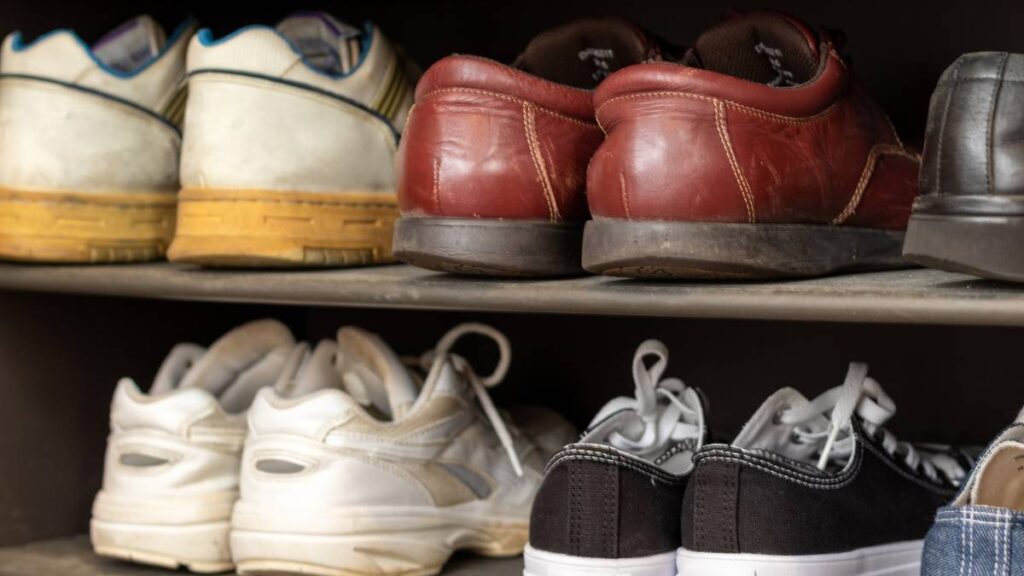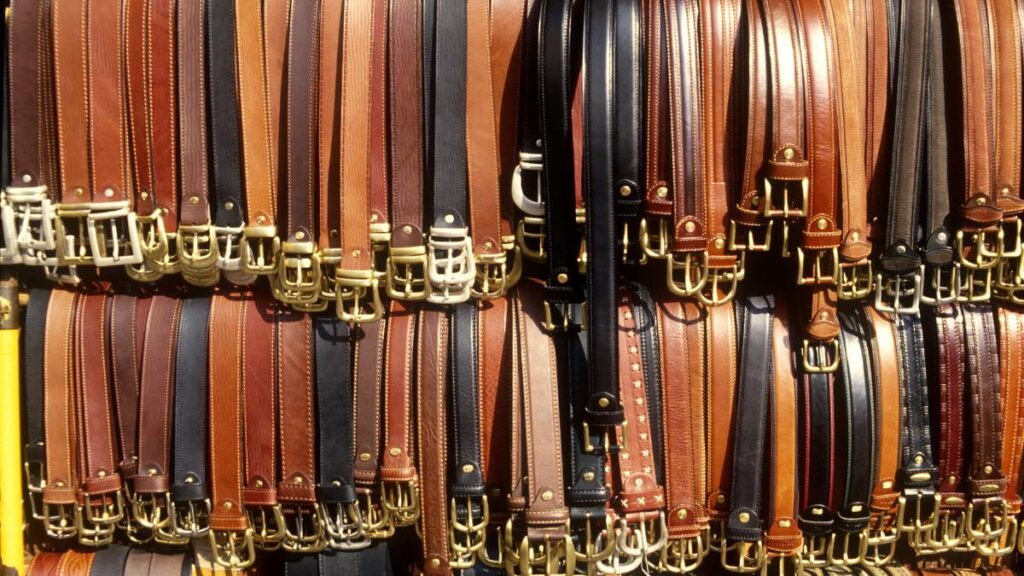
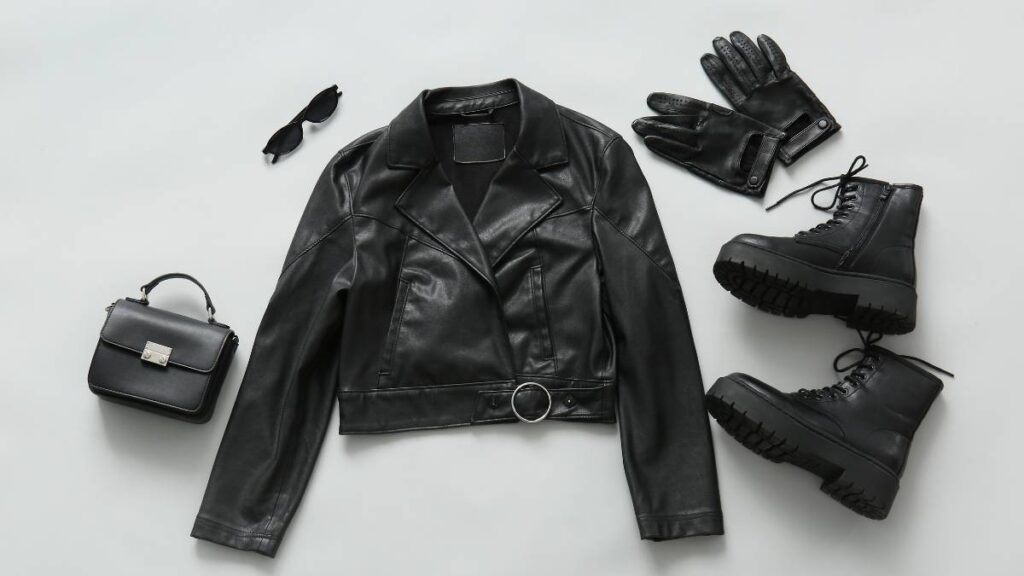
Sliding your favorite leather boots on after a long week, only to find unsightly stains from moisture, feels like a letdown. Nobody wants that. Learning to protect leather from moisture isn’t complicated—it’s simply about using common-sense tactics with a little extra care. The effort pays off each time you reach for a perfectly preserved bag or pair of shoes.
Moisture can weaken leather, fade colors, and even create lasting damage over time. That’s why it matters to anyone with a favorite jacket or stylish purse. Every drop or spill can set leather care back if not handled quickly and correctly.
Dive into the sections below to learn smart choices, step-by-step care routines, and essential insights to protect leather from moisture in everyday life. This guide is about acting intentionally, not stressing over every single drop.
Recognize Common Moisture Risks for Everyday Leather
Knowing where and when your leather faces moisture risks allows you to act early. You’ll spot high-risk situations before they become a problem for your belongings.
The key to protect leather from moisture starts with daily awareness—think about wet car interiors, surprise rain showers, or gym bags. Being ready beats repair every time.
Identifying Sneaky Moisture Traps in Homes
Leaving leather near windows or vents can expose it to seasonal humidity swells. Store boots away from radiators or laundry areas, where steam makes subtle, long-term contact possible.
Pets and kids bring unintentional risks. A backpack tossed on a damp doormat absorbs hidden moisture, weakening stitching and causing stains. Move leather off floors and out of high-traffic areas after use.
Kitchens can surprise you, too. Cooking steam and splashes drift to nearby stools or bags. Position leather at least three feet from stoves or sinks to reduce damage.
Safeguarding Leather During Daily Outings
Wet umbrellas, dewy grass, and unpredictable weather all affect leather. Carry a compact, reusable baggie for shoes and wallets when storms threaten, protecting fine textures from sudden downpours.
Gym lockers or sports benches seem clean but harbor dampness beneath the surface. Place a quick-dry microfiber towel under leather goods in these environments, limiting unwanted moisture exposure.
Public transportation can also put leather at risk. Damp seats or spilled drinks may not be obvious at first glance—use a protective seat cover or keep bags on laps during commutes.
| Situation | Common Source | Leather At Risk | Action Step |
|---|---|---|---|
| Rainy commute | Umbrellas, wet seats | Shoes, bags | Double-bag or stow in waterproof pouch |
| Home storage | Laundry steam, windows | Jackets, wallets | Use breathable, dry storage area |
| Sports or gym | Benches, lockers | Duffels, gloves | Line with microfiber towel or pouch |
| Kitchens | Cooking steam | Chairs, belts | Store leather three feet from sink/stove |
| Pet zones | Damp floors | Shoes, bags | Keep leather off floor, especially after a rain |
Build Strong Habits to Protect Leather from Moisture Every Season
A robust strategy for year-round care helps you protect leather from moisture, no matter the season. It all starts with easy routines woven into your regular schedule.
Everyday habits, from cleaning to correct storage, reinforce your defense against water damage. Consistency ensures longevity and a polished look for all your leather items.
Choosing Practical Storage for Different Weather
Seasonal changes in humidity demand flexible solutions. Swap open shelves for breathable bins in spring and fall, when dampness is highest. Use cedar chips to absorb moisture during summer.
- Choose cotton bags over plastic—cotton breathes, stopping mildew growth while letting leather acclimate gradually to changing humidity.
- Rotate items monthly—moving boots or jackets allows hidden damp spots to air out and prevents long-term moisture accumulation.
- Install a closet dehumidifier for added protection—remove excess humidity, especially during rainy or humid spells, with a small hanging absorber in your storage area.
- Avoid stacking—stacking compresses leather and traps hidden moisture, leading to cracking. Store items upright or on racks for natural airflow.
- Keep a calendar reminder to inspect—monthly checks help you catch potential mold early. If leather feels chilled, it’s absorbing moisture and needs fresh air.
Building these steps into your routine works. When packing winter coats away, add a checklist: cotton bag, rotate biweekly, and dry thoroughly before storing.
Quick Fixes for Unexpected Moisture Exposure
If shoes get wet on a rainy walk, dry outdoors—never near direct heat sources like radiators, which cause fast cracking in leather. Stuff with newspaper to draw water out.
Don’t use hair dryers for speed. Instead, place items in a well-ventilated room, rotating them every few hours to encourage even drying throughout the material.
- Replace newspaper every two hours for boots—newspaper absorbs moisture efficiently. Discard wet paper promptly and restuff with fresh sheets until leather feels nearly dry.
- Check inside seams—where pockets meet lining or behind shoe tongues, moisture lingers. Unfold or open flaps as much as possible to speed up drying and prevent mildew.
- Pat dry with microfiber—the soft fibers lift water without leaving marks. For best results, gently press instead of rubbing to avoid scratching treated finishes or dyes.
- Elevate during drying—set shoes or bags on racks to expose all surfaces to air, preventing the one side from staying damp longer and developing weak spots.
- Apply a leather conditioner afterward—once dry, use a moisturizing cream that restores lost oils, which protects leather from moisture in the future.
Keep a small drying kit—newspapers, microfiber towels, and conditioning cream—near your entryway for quick access after wet commutes or dog walks.
Apply Effective Products to Protect Leather from Moisture Damage
Specific treatments make all the difference in forming a true barrier against water. Apply these products regularly for visible, lasting results with every use.
Selecting Water-Resistant Sprays That Really Work
Choose silicone-based sprays when your goal is everyday water protection—these leave a clear, breathable seal on boots, bags, and coats. Avoid oily products that attract dust or darken pale shades.
Test on a hidden corner—before using any product, dab it behind a strap or inside lining to check for darkening or residue. Spritz lightly, holding six inches away for an even layer.
Reapply after drying—repeat the process every two months during rainy seasons. The protection wears off with frequent use, so keep a reminder on your phone calendar.
Creams, Waxes, and Conditioners: When and Why
Creams are best for soft, flexible leather—think gloves or wallets. They soak in immediately. Rub on with fingertips in circles for full coverage, buffing away excess after a few minutes.
Wax forms a tougher shield for shoes and boots exposed to puddles. Warm a small amount between palms before applying thinly, pushing it into seams and around laces. Allow to dry completely.
Condition every season—after using protective wax or cream, restore natural oils with a neutral conditioner. This step keeps leather elastic and helps to protect leather from moisture next time.
Smart Cleaning Routines Prevent Watermarks and Mold
Regular, gentle cleaning does more than freshen looks—it helps protect leather from moisture and mold that can ruin cherished items for good.
Stick to a simple cleaning schedule and select gentle, leather-friendly products to keep every surface resilient.
Weekly Wipe-downs Keep Moisture at Bay
Use a barely damp, clean cloth once each week to wipe leather. Small, circular motions free up trapped dirt and oils without saturating the surface.
Skip harsh detergents or alcohol-based wipes, which strip out oils and invite premature cracking. For stubborn spots, pick a leather-safe cleaner recommended for your specific color or finish.
Buff dry immediately after every clean—never leave moisture lingering. This habit makes a big difference when you want to protect leather from moisture long-term.
Seasonal Deep Cleans: Step-by-Step for Success
Lay out all leather goods each spring and fall, inspecting for hidden stains. Follow with a deeper clean using saddle soap and a soft horsehair brush, focusing on seams and corners.
Dry naturally away from sunlight or direct heat—excess warmth weakens fibers, making them vulnerable to future moisture damage. Stuff shoes with acid-free tissue to maintain shape during the process.
End with conditioning cream to finish the cycle. This method helps you protect leather from moisture by keeping it supple and less prone to cracks over time.
Store and Display Leather to Reduce Moisture Buildup
Choosing smart storage options extends leather life and helps protect leather from moisture when items aren’t in active use. Prioritize airflow and location to block unwanted dampness.
Treat storage areas like a mini climate zone—dry, ventilated spaces win over dark, enclosed containers.
- Choose elevated racks or shelves with gaps—this promotes even airflow beneath and around all sides, reducing damp patches.
- Add silica gel packets to drawers—these tiny pouches pull ambient moisture away from leather, especially in humid basements or closets.
- Switch to see-through bins for accessories—clear bins make inspections easy, letting you catch mold or dark spots quickly.
- Arrange bags upright with space between—tight stacking creates pressure points where moisture collects and lingers, unnoticed until serious damage occurs.
- Hang jackets on wide-shouldered wooden hangers—it preserves shape, allowing consistent air movement around collars and armholes, crucial spots for sweat or rain absorption.
Take a few minutes monthly to rotate stored items, giving them fresh air and catching lingering dampness before damage sets in.
Spot Early Signs of Moisture Damage to Act Fast
Quick detection leads to fast fixes, minimizing harm and extending the life of every piece. Your eyes and nose are your best tools for early identification.
Build a routine of close monthly inspections, focusing on seams, undersides, and near closures where symptoms first appear. Acting immediately can save cherished items.
Visible Red Flags on Leather Surfaces
Tiny white or green patches indicate early mold. Remove these with a soft brush outdoors, away from clean leather items to prevent invisible spores spreading further.
Dark, discolored blotches signal lasting watermarks—dab with distilled water and pat gently, then dry evenly to recover some lost color. Repeat as needed to fade damage.
Shiny or sticky feeling suggests oils lost from moisture exposure. Condition with an oil-restoring treatment, then buff thoroughly to revive protection and bring back the original texture.
Odors and Texture: Clues You Can’t Ignore
A sour or musty scent means hidden moisture or mold inside seams or linings. Unpack completely and set items in open air, away from direct light for several hours.
Texture changes—sticky, slippery, or too stiff—signal chemical imbalance due to saturation. Restore using a balanced conditioning formula, following label directions precisely each time.
After odors vanish and texture stabilizes, repeat the water-repellent treatment to protect leather from moisture next time exposure occurs.
Choose the Right Tools to Handle Moisture Problems
The right supplies speed up the care process and produce even results across every leather item you own. Building a dedicated care kit increases confidence each time you clean.
Put together a simple kit and store it with your accessories—close at hand makes it easier to protect leather from moisture whenever you notice issues, big or small.
- Get a soft horsehair brush—this lifts dirt and mold gently, without abrading the delicate finishes many leather pieces have.
- Keep multiple microfiber cloths—these trap dust and remove surface water efficiently and can be washed after each use to stay residue-free.
- Add an acid-free tissue supply for stuffing—these help shoes, gloves, and hats hold shape during drying or deep cleaning cycles.
- Stock neutral, pH-balanced conditioner—a must for monthly maintenance after cleaning or external exposure to water, sweat, or humidity.
- Carry a small spray bottle for distilled water—this lets you spot-treat areas without risking excess wetting or streaking other panels, especially on colored or suede items.
Restock supplies and replace worn brushes or cloths quarterly, keeping your kit fresh and capable whenever you need to protect leather from moisture swiftly.
Keep Leather Timeless by Practicing Consistent Moisture Defense
With consistent habits and readiness, you protect leather from moisture before small incidents snowball into lasting damage. Every detail and routine adds up to longer-lasting, beautiful pieces.
Staying alert during daily use, storage, and cleaning helps safeguard favorites—boots, jackets, bags—for years of confident wear without worry or fuss. It’s a rewarding part of ownership.
Act on these steps today so you can enjoy supple, rich leather no matter the season. Protect leather from moisture for lasting style and performance with every outing, year after year.