

Traffic lights, elevator rides, or a lull between meetings—these are pockets of time everyone recognizes. Discovering how to use productive dead time can change your daily rhythm completely.
What people do with those odd minutes forms a hidden layer of their routines. Small adjustments turn fleeting minutes into real accomplishments, stacking productivity without extra effort.
The article explores practical strategies anyone can start now. You’ll see ways to convert ordinary moments into wins using simple, actionable techniques supported by realistic scenarios and checklists.
Get Immediate Wins by Shifting Your Dead Time Mindset
Recognizing productive dead time offers a new kind of momentum. When you stop seeing short lulls as wasted, your calendar transforms into a map of small victories.
Start by tracking where your minutes leak away unnoticed. This mental shift eventually leads to visible gains—organization, learning, or even lower stress.
Notice Hidden Minutes in Your Routine
Scan your day for down moments—a coffee shop line, waiting for a download, or holding for a call. Label these as ‘micro-gaps’ in a note app.
Write next to each gap: “Could I use this to send a quick thank-you email?” or “Could I scan my schedule for conflicts?” Repeat daily for one week.
This new awareness makes it natural to spot productive dead time everywhere: in transit, during lunch breaks, or even while waiting for software updates.
Use Anchoring Statements to Prompt Action
An anchoring statement is a phrase you repeat when a micro-gap begins. Example: “I have three minutes, I’ll organize receipts now.” This locks in a productive micro-habit.
The phrase triggers action instead of drifting to doom scrolling. Pair it with a visual cue, like a sticky note on your screen or a smartwatch buzz.
After one week, you’ll recognize the urge to fill dead time automatically. Repeat the anchoring statement under your breath until it becomes second nature.
| Scenario | Old Response | New Productive Habit | Takeaway |
|---|---|---|---|
| Stuck in traffic | Listen to random radio | Play an educational podcast | Upgrade content to maximize commute learning |
| Waiting for video call | Scroll social feeds | Review meeting agenda | Arrive prepared with useful notes |
| Bored in waiting room | Check old emails | Brainstorm three new ideas | Turn waiting into ideation time |
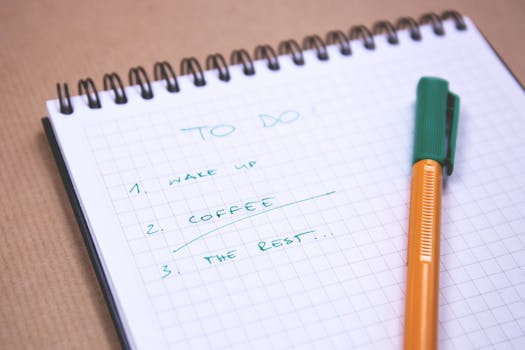
| Queue at coffee shop | Read tabloid news | Fill out a to-do list | Leave with a plan instead of trivia |
| Elevator ride | Stare into space | Practice deep breathing | Reduce stress or refocus in seconds |
Establish Micro-Tasks for Any Situation
Assigning specific actions to predictable downtime ensures you move steadily forward—even in ten-minute blocks. Micro-tasks work best when you prepare actionable lists in advance.
Keep a running set of five-minute tasks for spontaneous dead time. Review before leaving home so you’ll never run out of quick wins.
Build a Go-To Micro-Task Stack
A micro-task stack is your curated list of quick actions organized by context: work, home, or errands. Think of it as a digital notecard you update each week.
- Scan your email inbox for important messages: Keeps your workflow smooth and prevents backlog. Do this when you find a spare five minutes.
- Jot down three goals for tomorrow: Sets intentions early and streamlines next-day priorities. Ideally, fill this out during your lunch break or before meetings.
- Organize your mobile home screen: Arranges your digital space for faster access, so you save time hunting for apps later.
- Delete unused photos from your gallery: Frees up device storage and reduces distraction for a faster digital life. Perfect for idle waiting in lines.
- Review your last meeting notes: Refreshes your memory so you can act quickly when the related topic resurfaces.
Revisit your micro-task stack every Sunday. Edit and shuffle as needed so it always fits your current work and personal routines.
Use Chore Batching for Home and Office
Chore batching groups small, repetitive chores to fit short free slots. For example, pair watering your plant with waiting for coffee to finish brewing; both get done automatically.
- Start a laundry load while waiting for a call back: Combines personal with professional time to maximize output without feeling rushed.
- Purge junk mail during bathroom breaks: Turns a dull moment into decluttering progress. Keep a recycling bag handy for this purpose only.
- Sync your calendar while standing in line: Updates appointments and locks in meetings using just your phone. No extra sitting required.
- Clear out expired items from your fridge while microwaving lunch: Eliminates future meal prep hassles and reduces waste.
- Update shopping lists in your notes app while on hold: Makes errands more efficient and lowers the chance of forgetting essentials.
Each batch should take under five minutes. Start with one pair daily, then gradually add more as you grow comfortable with the routine.
Apply Contextual Triggers to Build Productive Dead Time Habits
Contextual triggers turn ordinary cues—like sitting at your desk or standing in line—into reminders for your new productive dead time rituals.
Consistency forms when your brain links everyday settings to micro-action automatically.
Use Visual Cues for On-the-Spot Action
Place post-it notes near high-traffic areas: “Update to-do list before opening new tabs.” This nudges a new action at each glance, reinforcing productive dead time as habit.
Change your phone lock screen to a mini-checklist image, such as “Reply to two quick messages.” Every unlock becomes a prompt for progress, not distraction.
Branded mugs or desk toys can also trigger specific behaviors if paired with verbal reminders (“Finish reading one bookmarked article if you notice this toy on your desk”).
Sync Productive Dead Time to Your Existing Routines
“If-then” statements work well: If you’re waiting for coffee, then clear three old emails. The phrase hardwires the behavior—no extra willpower needed.
Attach micro-tasks to existing cues: Stand up? Review your digital bookmarks. Head to the printer? Draft a two-sentence update for your team.
As soon as the linked event occurs, act immediately. Fast, consistent pairing cements the new habit in just a week of repetition.
Leverage Digital Tools to Automate Small Tasks
Apps and timers smooth the edges of productive dead time by helping you batch or schedule micro-tasks automatically, without manual effort every single time.
Set up reminders for repeating chores or use quick voice notes to capture ideas while your hands are busy.
Optimize Notifications for Just-In-Time Reminders
Adjust key app alerts so they trigger only during dead time intervals—say, calendar pop-ups at noon or to-do nudges at 3 p.m. Let automated reminders handle the follow-up.
Voice commands streamline actions, too. Speak, “Add to grocery list” while stuck in traffic, and your phone logs it instantly—no swiping necessary.
Pre-schedule short review blocks for digital tasks. You’ll tackle album cleanouts, reading lists, or unfinished forms without feeling rushed or overwhelmed later.
Use Focused Timer Apps to Structure Micro-Wins
Timer apps reframe a five-minute break as a challenge: “What small task can I complete before the bell?” This converts passive pauses into playful sprints.
Try a 3-minute timer before lunch prep. Attempt a mini clean-up or quick email check until it rings. The ticking clock boosts your urgency naturally.
Stack two or three sprints in a row as you grow confident, always measuring how much further your productive dead time can stretch each week.
Track Micro-Wins and Reflect on Progress Regularly
Logging what you accomplish during productive dead time keeps motivation high and highlights growing benefits—better focus, more free time, and less mental clutter.
Reflection sharpens your process, letting you pinpoint which actions yield the best real-life gains from previously ignored minutes.
Keep a Visible Win Journal for Motivation
Each evening, jot down two quick victories you scored during micro-gaps (e.g., “Cleared six old receipts while waiting for soup to heat”).
Celebrate small wins by reading them aloud once per week. You’ll be surprised by how much stacks up with such a simple practice.
Post your win journal somewhere visible—a whiteboard, sticky notes by your monitor, or a phone widget—so each entry reinforces the value of productive dead time.
Analyze Weekly Trends to Adjust Micro-Task Choices
Every Sunday, scan your journal for patterns. Do certain tasks give more satisfaction—like organizing, learning, or idea generation? Swap out less-valuable routines for higher-impact micro-habits.
List top three highest-value wins and ask, “How did I set these up? What context helped?” Use these insights to tweak your anchoring statements and triggers for next week.
Over months, you’ll see which dead times provide the best opportunities for real change, adapting your playbook and seeing continuous growth.
Real Scenarios: Productive Dead Time in Action at Home, Work, and On-the-Go
Applying productive dead time principles tailors new mini-routines for different settings—home, office, and commutes—so each day gains a bit more progress.
Here’s how these ideas look inside real-life moments, with scripts and reminders anyone can use starting right now.
Capture Free Minutes during Commutes
Set a recurring reminder on your phone: “Start brainstorming next project topic” every bus ride. Keep a shorthand notepad ready and jot ideas as soon as the engine revs.
Before putting on music, try: “Outline tomorrow’s plan for five minutes first.” This brief focus upfront transforms otherwise idle minutes into a sense of purpose.
“If the subway’s delayed, review two digital bookmarks instead of scrolling headlines.” Repeat this mental prompt so your productive dead time feels smooth, not forced.
Transform Home Downtime with Preplanned Lists
Place a kitchen magnet with a running “Five-Minute Chores” list. Every time you’re waiting for water to boil, scan the magnet: “Sort the mail pile or water the houseplant.”
When you hit a transition, like after dinner: “Empty dishwasher before watching TV.” Tethering action to a regular moment makes consistency automatic for productive dead time.
During commercials, tell yourself: “Reply to one text.” Over time, these brief interventions free up later evenings for true relaxation or side projects.
Start Using Productive Dead Time to Transform Your Routine
Combining micro-task planning, contextual cues, and digital tools helps maximize productive dead time. It’s about adding new habits, not forcing rigid change.
Small, specific experiments show just how much you can win from a handful of seconds or minutes reclaimed each day.
Try tracking your micro-wins this week. Soon, productive dead time will become a regular source of progress, calm, and confidence—wherever you find yourself pausing next.