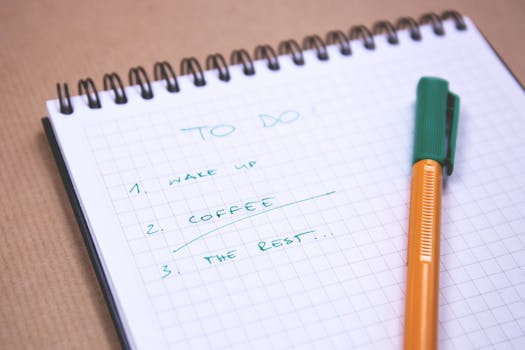

Ever feel your to-do list grows faster than you can blink? You’re not alone. Imagine being able to prioritize tasks fast, clearing the mental fog and jumping straight to productive action.
Whether the day starts with emails piling up or surprise demands, knowing which task to tackle first means you stay focused, not frantic. Efficiency isn’t luck—it’s a repeatable skill anyone can learn.
Dive in to discover field-tested ways to prioritize tasks fast, reorder your checklist, and never wonder where to start again. Let’s make decisive action your new daily habit.
Set Clear Urgency and Importance Rules―Stop Deciding in Circles
A consistent rule-based system streamlines how you prioritize tasks fast. When you sort by urgency and importance, your next move reveals itself without mental debates or wasted minutes.
This practice keeps your energy where it matters—on actions, not overloaded decisions. Clear criteria help ensure nothing truly critical hides behind busywork or low-priority noise.
Rank by Urgency with Red-Yellow-Green Symbols
Assign a red dot to tasks with immediate deadlines, yellow for those due soon, and green for flexible items. Visually label them on your paper or digital list to snap judgments into focus.
Physically marking a task with red means grabbing it first—no internal debate. This system mimics traffic lights for mental flow: stop and act on red, slow down on yellow, coast with green.
Pair this with your daily check-in routine—glancing at your color-coded list each morning makes prioritizing tasks fast automatic, not anxious.
Filter with the Eisenhower Matrix for a Fast Win
The Eisenhower Matrix splits every item into one of four boxes: urgent/important, urgent/not important, not urgent/important, and not urgent/not important. Take thirty seconds to sort your top items.
Use everyday language—”Do now,” “Schedule,” “Delegate,” “Don’t do.” If it fits urgent and important, act on it; if not urgent, decide when to return. This tool helps prioritize tasks fast before distractions derail you.
Stick your matrix on a sticky note beside your laptop or planner for quick reference. You’ll train yourself to reflexively handle the right work at the right time.
| Sorting Method | Setup Time | Best For | Action Step |
|---|---|---|---|
| Red-Yellow-Green Dots | 30 seconds | Visual thinkers | Label tasks with colored stickers or app icons |
| Eisenhower Matrix | 60 seconds | List overthinkers | Divide tasks into 4 priority boxes on a sheet |
| Top-Three Focus | 20 seconds | Overwhelmed mornings | Circle just three crucial tasks |
| Sticky Note Rule | 15 seconds | Quick resets | Transfer your highest priority to one sticky note |
| ABC 123 Method | 40 seconds | Decision fatigue | Assign A, B, C to tasks by urgency, then order by 1, 2, 3 |
Visual Shortcuts You Can Use to Instantly Spot Big Wins
Using quick visuals means you’ll prioritize tasks fast without hesitating. Smart symbols and color-coding make priorities jump out—no list scanning required.
A desk or screen covered in symbols guides your choices naturally, helping you carve out more productive hours with less stress or distraction.
Use the Asterisk Rule for Immediate Clarity
Draw a bold asterisk next to what absolutely must move today. Physically touching the page while adding a star locks in your focus and dismisses non-essentials.
This works especially well on hectic mornings. The hand-brain connection cements what’s urgent—so you’ll return to those priorities later, even if interruptions hit.
- Mark three tasks with asterisks, then do them before lunch—this relieves pressure and gives clear targets for the morning.
- Draw double asterisks for hard stops—items with external deadlines or fixed appointments you can’t move.
- Keep fewer than five starred items per day—if you run out of space, lower priority items need to be moved to another day.
- Pair asterisks with red dots for items both urgent and high-impact—this double system speeds up your assessment.
- Use a visual break between starred and unstarred items: draw a line or move them to a separate sheet for later review.
Following this system, the urge to multitask fades and you can prioritize tasks fast anytime your focus drifts.
Color-Block Your Digital List for Mental Flow
Create color-blocked sections online: red for do-now, blue for ongoing, gray for parked ideas. Each morning, move only red items to the top of your app or browser.
Each shift is a chance to reset priorities—a quick drag and drop helps prioritize tasks fast during busy transitions between meetings and calls.
- Use only three colors. Too many colors dilute value and delay decision making when everything looks premium.
- Drag high-impact items into your red zone at the start of your workday—this habit builds a focused entry ramp into task flow each morning.
- Re-sort after every break. Moving an item up or down cements what’s changed—keeping your priorities visible and actionable.
- Archive gray (parked) items weekly. This keeps focus fresh, ensures no old tasks crowd your view, and helps you prioritize tasks fast by shrinking perceived load.
- Sync desktop and mobile colors for seamless transitions so you aren’t lost between devices or work locations.
The right color structure turns your digital tool into a launchpad for focused productivity—every glance redirects your action in seconds.
Action Scripting: Say It, Then Do It—No Second Guessing
Speaking your action plan aloud primes your mind to prioritize tasks fast and kickstarts movement. A script helps anchor intention with visible progress.
Use a phrase like, “I’m doing X now because deadline is at 2 PM,” and follow that energy until you finish. Verbal commitment beats silent planning.
Mirror-Talk: Command Your Focus for Five Minutes
Stand up, look at your reflection, and say your top three priorities out loud. This fast ritual tells your brain what gets attention—like a coach calling the next play.
Link a hand gesture, like tapping your desk, to anchor that focus in muscle memory. You’ll train a habit that helps you prioritize tasks fast under stress or distraction.
When your body and voice are aligned, your mind is quicker to choose and act—make this your daily ritual for rapid clarity.
Turn Email Clutter Into an Instant Task Shortlist
Skim your inbox for five minutes and dictate the top two actionable messages out loud. Move those to your main list, then close the app immediately.
Declaring your picks cuts through mental clutter so you can prioritize tasks fast, not just get lost in reading or reacting.
Example: “I’m calling Sam about the quote; then, I’ll update the Q2 file.” This instant summary sets your morning agenda before anyone else’s requests flood in.
Compress Your Choices with the Top-Three Target Method
Limiting options turns a daunting to-do list into a focused three-task sprint. This way you prioritize tasks fast and stay accountable.
Selecting only three high-impact tasks clears space for finishing, not just starting things.
Write a Priority Trifecta Card Each Morning
Grab a note card and write your top three for the day—nothing else. Keep the card in your pocket or on your keyboard as a visual cue.
If you catch yourself scanning email or Slack again, check the card. It snaps your attention back to what you set out to do. Finishing these three guarantees progress.
You’ll prioritize tasks fast by training your brain to ignore non-essentials, even as new requests arrive.
Time-Block the Trifecta for Realistic Wins
Set a timer for 90 minutes, then chip away at your three picks in focused bursts. Allow micro-breaks but return immediately—train reaction, not re-planning, between sessions.
After each task, cross it off physically. The act of crossing out builds momentum and satisfaction while helping you prioritize tasks fast for the next session.
This hands-on rhythm makes progress tangible and interrupts spirals into overthinking or getting distracted by lower priorities.
Rapid Reset Tricks When Overwhelm Hits Midday
Overwhelm can stall any list. A five-minute reset sequence can help prioritize tasks fast, so you regain traction even after distractions or new emergencies.
Train yourself to pause, reprioritize visually, then act with intention—resetting is as essential as planning when new information shows up.
Desk Reset Micro-Ritual
Push your chair back, clear your space of all except three essential items, and take three deep breaths. Next, list only your current top priorities on a fresh sheet.
The physical act of creating space reflects a mental reset—allowing you to prioritize tasks fast and not react impulsively to stress signals.
Transition back with a focused sentence: “Right now, I’m restarting with only these items until noon.” You’ll feel the difference.
Deadline Drill: Clock-Based Prioritization
Glance at a wall clock and choose whichever unfinished task is closest to its next critical deadline. Place a sticky note with the deadline on your laptop for constant reminder.
This tactic keeps you moving when indecision sets in. Checking on the hour provides a fast, external cue for what to handle next—eliminating time-wasting re-evaluation.
Repeat every two hours for continuous, focused resets and to prioritize tasks fast no matter how chaotic the day seems.
Build Priority Awareness With a Five-Step Afternoon Scan
Scheduling a mid-afternoon priority scan transforms your last few hours into your most effective window for tackling must-do items before your energy dips.
Use this sequence to prioritize tasks fast, minimizing evening catch-ups or unfinished deadlines.
Afternoon Checklist: Five Simple Steps
1. Review your list from the morning—mark off any tasks already done. Removing completed items sharpens your attention for what still matters.
2. Move unfinished top-three tasks higher, highlighting any new high-priority items that arrived since lunch. Instant visual ranking helps you reprioritize tasks fast without overthinking details.
3. Cross out, reschedule, or delegate one non-essential item if possible—this lightens your evening and keeps you focused.
- Delete or move one non-urgent task off today’s list for mental relief and revitalized clarity.
- Replay your mirror-talk script from earlier for renewed motivation and momentum.
- Write your new top three on a fresh sticky note and attach it to your monitor or laptop for end-of-day focus.
- Set a visible five-minute timer to ensure you complete this reset without drifting into further planning or side tasks.
- Reward yourself: stand, stretch, or grab a drink after your mini scan to reinforce the habit.
Finishing this scan daily cements your skill to prioritize tasks fast–it’s the difference between finishing strong and chasing loose ends into the evening.
Recognizing Patterns in Your Daily Priorities for Sustainable Momentum
Noticing trends in what pulls your attention or slows you down helps you automate choices and prioritize tasks fast with less daily effort.
Pattern awareness lifts recurring friction off your plate by letting you slot common tasks at optimal times automatically.
Spot and Log Recurring Must-Dos
Track frequent urgent items—like key reports, daily client updates, or recurring calls—over several days. Record at what time they’re easiest or hardest for you to start without delay.
Each week, review your log and intentionally schedule similar tasks in proven quick-wins time zones. This helps you prioritize tasks fast by working with your energy, not against it.
Example: Logging reveals you process emails quickest at noon, so you consistently block this time for inbox cleanout—no more wasted willpower.
Design Your Best-Flow Routine by Reordering
Once you see your recurring priority patterns, restructure the order for tomorrow to lead with your best-fit tasks. Trial different stacks until your performance peaks early, not late.
This habit of arrangement makes prioritizing tasks fast a painless process—you’ll know what to do next before checking your phone or inbox.
Every evening, write your next-day plan in new order to keep days fresh and actionable.
Fast Prioritization Means More Progress, Less Stress
Speed is nothing without clarity. These concrete tactics—visual markers, mini scripts, reset routines—help you prioritize tasks fast for less stress and more visible progress on what counts.
Routines like daily triage, color-coding, afternoon scans, and adjusting your task order from real data let you work with your priorities, not just your to-do list.
Practicing even one new tool from this guide strengthens your ability to sort, focus, and act with confidence. Each repetition chisels your instinct for what rises first—and what can always wait.