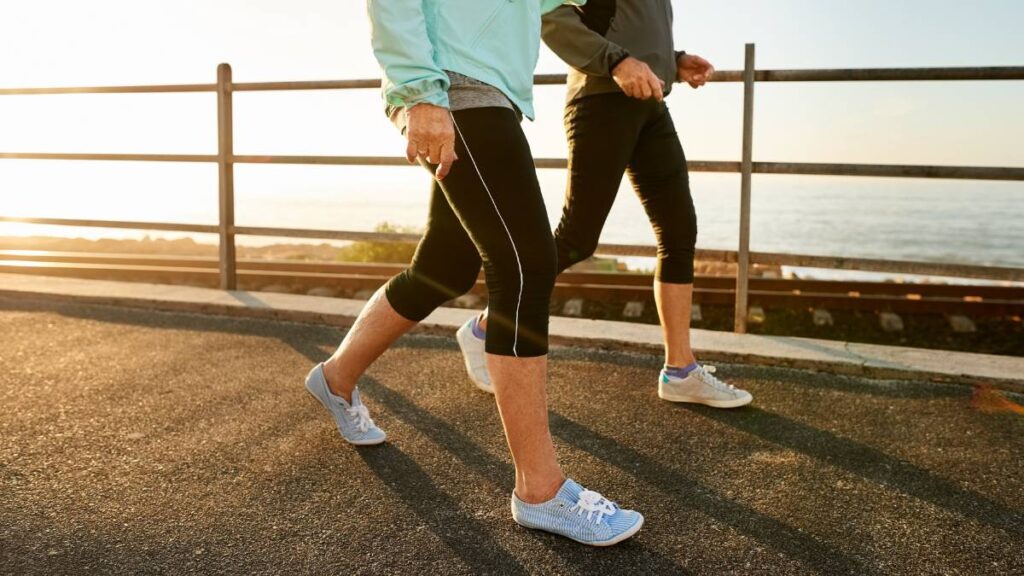
Walking mile after mile, excitement pulses through you. But even as you explore, the pain of a single blister can dull the adventure. Strategies to prevent travel blisters transform trips from stressful to smooth, keeping you comfortable and focused on the world around you.
Blisters happen when skin rubs too long against socks or shoes—moisture, heat, and friction combine. For travelers, this isn’t just annoying; it can sideline you for days. Knowing how to prevent travel blisters lets you go farther, see more, and actually enjoy the journey.
With this guide, discover practical tactics to prevent travel blisters, from shoe prep to in-the-moment fixes. Dive in to learn direct, proven techniques for happy, healthy feet on every adventure.
Choose Shoes That Prevent Pain From the First Step
The right shoe is the foundation for any effort to prevent travel blisters. An ideal fit guards skin from repetitive rubbing, keeping you comfortable across long walks.
Getting shoes fitted at day’s end, when feet may be slightly swollen, mirrors travel conditions and avoids tight spots that break down skin on real routes.
Identify Pinch Points and Pressure Zones Early
Slip on shoes at home and walk around the block. Any pinching or sliding is a red flag—listen to discomfort before it becomes a problem during travel.
Feel for seams that press along toes and sides. Even a tiny ridge can start to blister as days go on, so look for smooth interiors at all wear points.
Copy this trip prep: “I walked stairs and sidewalks for half an hour in my travel shoes, then checked for tender spots before packing—no assumptions!” This ensures proactive prevention.
Prioritize Breathable and Water-Resistant Materials
Materials matter. Shoes with mesh or moisture-wicking linings help manage sweat, while water-resistant exteriors prevent soggy socks—a huge factor in efforts to prevent travel blisters.
On wet or humid trips, quick-drying shoes serve you better than heavy leather. You’ll want construction that keeps feet dry and cool—a critical preventative tactic.
Think of socks as teammates. Match up breathable shoes and technical, non-cotton socks to create a system working together against friction and moisture buildup.
| Shoe Feature | Benefit | Usage Scenario | What to Do Next |
|---|---|---|---|
| Wide Toe Box | Prevents squeezing and bunions | Hiking in the city or mountains | Check for toe wiggle room with socks on |
| Mesh Upper | Increases ventilation | Hot destinations, long days | Press on shoe to feel airflow over toes |
| Cushioned Insole | Reduces impact and fatigue | Paved streets, long sightseeing walks | Stand on insoles in store before purchase |
| No Interior Seams | Avoids sensitive skin contact | All-day wear, sensitive feet | Feel inside shoe for rough stitching |
| Lace Adjustability | Secures fit through instep | Varied terrain, changing conditions | Re-tie laces during trials for tightness |
Use Smart Sock Strategies for Maximum Comfort
Socks create the first boundary between shoe and skin—a powerful line of defense if your goal is to prevent travel blisters across diverse climates and walk lengths.
High-quality socks work best when chosen by material and thickness for a specific walk, adapting to terrain and shoe type. Don’t settle for all-purpose packs on long journeys.
Layer Sock Choices for Challenging Conditions
Double layering—ultra-thin silk or synthetic beneath a medium-weight wool outer—minimizes direct skin friction and wicks sweat quickly. Use this for multi-day treks or humid trips.
Experiment days ahead. For instance, “Today, I wore a liner plus hiking sock on my city errands; no sliding, no bunching, so I’m set for the big trip.” Replicate successes, adjust failures.
- Pick moisture-wicking synthetics to keep feet dry and reduce heat—key to any plan to prevent travel blisters, not just in sports but for daily urban exploring.
- Avoid cotton, which holds moisture and raises friction risk, especially on hot days—switch to merino or technical blends before departure for meaningful comfort gains.
- Try seamless toe socks for people prone to blisters between toes. This small switch eliminates hotspots and is especially helpful for sandals or tight-fitting shoes.
- Change socks mid-day if walking for hours. Fresh, dry socks instantly reduce risk, and packing spares is an easy habit to build for blister prevention.
- Test every sock/shoe combo before travel, ideally during a real walk, to be certain nothing rubs or shifts in motion—the hallmark of a smart, proactive traveler.
These steps put you ahead. They’re quick habits to layer onto your existing travel routine to maintain foot health and successfully prevent travel blisters on tough walks.
Perfecting Fit and Sock-Shoe Alignment
Even the right sock fails if it doesn’t match the shoe. Test combos on a warm day by walking the length of your neighborhood to see what works under stress.
- Pair thinner socks with snug shoes, thicker pairs with shoes that have extra internal space—maintain just enough grip to avoid foot movement, but not so tight circulation is blocked.
- Check for sock bunching after thirty minutes of walking. Any creasing signals a potential blister zone—smooth everything before your travel day to prevent hidden friction.
- Choose taller socks for boots to shield ankles and lower legs—this prevents travel blisters caused by high collar rubbing, especially when carrying heavier packs up hills or stairs.
- Replace worn-out socks with visible pilling or thinning. These lose their protective fibers fast and make even the best shoes more likely to cause blisters by day two.
- Store extra socks in an easy-to-reach outer pocket, not at the bottom of your bag. Quick changes on the go keep feet dry and further reduce ongoing friction risks.
By dialing in your sock approach, you create a system that maximizes comfort and shields your skin before, during, and after long travel days.
Deploy Proven Foot Care Routines That Work Throughout Your Trip
A dedicated foot care routine is the secret weapon to prevent travel blisters, whether you’re on city pavement or rural trails. Simple steps make a dramatic difference.
Apply petroleum jelly or anti-blister balms along your heels, toes, and sides of the feet before heading out. This layer reduces friction where it’s most likely to build up quickly.
Daily Inspection and Response Steps
Every night, look over your feet for redness or skin changes. Press gently—if it’s tender or hot, there’s time to intervene before a blister forms. Early action is always best.
Cover developing hotspots with medical tape or special blister patches. Use this script: “I noticed a red spot, added a layer, and felt relief instantly.” Repeat this habit daily for best protection.
Soak tired feet in cool water if possible. This reduces swelling and lets skin “reset,” making it less likely to blister after repeated long walks. You’ll notice less tenderness come morning.
Tactical Moisture and Friction Control
Carry travel-sized talcum or anti-chafing powder for midday walks. A small sprinkle absorbs moisture and keeps feet dry when hiking or in rain—crucial to prevent travel blisters on demanding trips.
In a pinch, use hand sanitizer as a quick-dry agent for sweaty feet, but always prioritize foot-specific products if they’re available. Familiar, reliable routines trump improvisation where prevention matters.
Every step taken to avoid moisture payoff doubles on longer walks—integrating powder, changing socks, and treating hotspots in sequence means more days spent exploring comfortably and confidently.
Customize Your Gear for Walks in Unique Environments
The environments you move through help shape how you prevent travel blisters. Tailoring shoes and socks for terrain and climate upgrades your defense significantly.
Cobblestone, sand, or uneven trails might each demand different footwear tweaks. Carrying specialized supplies ensures adaptability, so your prevention plan doesn’t collapse when environments change fast.
Pacing and Pressure Points: Adjust as You Go
Modify stride and rest habits on unfamiliar ground. If you sense extra pressure in one spot, pause and re-tie your shoes tighter or looser. This simple act adjusts friction and relieves skin immediately.
On stairs or steep hills, take shorter, slower steps. This lessens the forward sliding of your feet and helps prevent new pressure zones, particularly on your toes and heels during longer descents.
Listen for changes. Think, “My left pinky toe feels warm”—follow up with a tape barrier or a sock change so it doesn’t escalate into a painful travel-ending blister the next day.
Switching Out Gear Midday for Environment Changes
On a humid or rainy day, fresh socks at lunch keep moisture at bay. Drying shoes with paper towels during breaks adds extra insurance—each swap further reduces risk.
For sand or dust, shake out shoes and socks regularly. This removes grit that adds hidden friction, so try this rhythm: “Shake shoes at each break; wipe feet; re-sock if possible.” Results are tangible.
For cold environments, layer up to avoid numbness-induced friction. Use liner socks and insulated outers, adapting throughout the day as temperature shifts. This flexibility is what helps prevent travel blisters no matter the country or season.
Use Quick-Fix Tactics for Unexpected Friction or Hotspots
Despite best-laid plans, friction can strike suddenly. Knowing a few quick fixes for minor travel blisters keeps small issues from growing into bigger setbacks down the road.
If you spot redness or tingling, stop walking and address it on the spot. Ignoring pain lets blisters develop fast—immediate action saves you hours of discomfort or missed exploration.
- Apply adhesive bandages to hotspots early; the sooner you stick one on, the more likely you’ll avoid a full-blown blister and continue your journey unimpeded.
- Slip padded blister pads inside socks for quick cushioning. Choose gel-filled options or thick foam, placing them directly over the area causing concern for optimal protection.
- Switch to a dry sock. If traveling light, use a clean handkerchief to dry the skin and line the shoe until you can change fully—a smart move if you unexpectedly get caught in rain.
- Adjust shoe laces above and below the tender zone. Looser near the toes, tighter at the ankle, or vice versa, this small adjustment redistributes pressure effectively.
- Reapply foot balm or anti-chafe stick after removing grit. A mini tube in your pocket means you can reload protection at every bench or café stop without pause.
These immediate actions form a travel-ready toolkit—react fast and you’ll prevent travel blisters from stealing your walking freedom, even after hours on the move.
- Keep small scissors in your kit to cut tape or trim padding discreetly when needed; solutions are more comfortable when cut exactly to size for each foot.
- Laminated cards with reminders, such as “stop and inspect feet every two hours,” help travelers remember minor routines during the excitement of a trip—and catch issues before escalation.
- Include alcohol wipes for cleaning minor skin breaks before applying any protection, which lowers infection risk and encourages faster healing on the road.
- Pack self-adhesive felt patches, which you can layer or resize as hot spots demand. They’re lightweight and versatile—a top-rated inclusion for people eager to prevent travel blisters decisively.
- Store supplies in a small see-through pouch, so you know when quantities are running low and can resupply at the next convenience store or airport if needed.
Building a routine, both for planned and unplanned moments, keeps you ready. Each step adds up to a seamless trip with fewer interruptions.
Integrate Better Habits Before and After Every Big Walk
Long walks start before the first stride. Small rituals—like stretching feet and checking shoes—amplify your ability to prevent travel blisters each day you step out the door.
After every walk, a few minutes of attention prevents tomorrow’s discomfort. These habits promote skin resilience and catch emerging problems early, mile after mile.
Pre-Walk Rituals That Keep Skin Resilient
Stretch your toes, roll your ankles, and wiggle your feet to boost circulation before slipping on your shoes. Flexible, warm skin doesn’t blister the way cold or stiff feet do.
Massage in a drop of lotion (non-greasy) to dry or cracked areas. Hydrated skin handles friction better, especially if walks will be uphill, downhill, or on rough surfaces that strain even the toughest travelers.
Scan for hidden debris inside shoes each morning. Sometimes a tiny pebble inside your shoe flags as trouble only after hours—start every walk fresh and aware to prevent travel blisters proactively.
Post-Walk Check and Recovery
Remove socks and air out feet for five to ten minutes post-walk. Sweaty skin dries faster in open air, making it less blister-prone during future walks.
Apply soothing ointment or aloe to any tender spots, even if unbroken. Calm, cool skin is more likely to heal overnight, reducing the odds of setbacks on your next excursion.
Document what worked and what didn’t: “Blisters started mid-hike; next time, I’ll switch socks after two hours.” This honest review shapes smarter moves before your next trek.
Shore Up Your Long-Term Foot Health for Endless Adventure
Every healthy walk lays a foundation for the next. Adopting strong habits to prevent travel blisters not only supports each trip, it builds long-term resilience and freedom for years.
Over time, your feet adapt to well-chosen shoes and socks. You’ll notice your skin thickens in helpful ways, and you start every journey with more confidence and less worry.
Keep a notebook or tech list of what gear, routines, or environments worked best. This log proves invaluable as you plan future travels and troubleshoot new destinations.
Build a Blister-Free Future With Consistent Action
Every step taken to prevent travel blisters means more energy for sights, food, and people. These strategies pay off with happier, healthier feet at every destination.
Small, consistent actions—like sock changes, quick fixes, or just listening to your body—outperform big efforts done only once. You become a more resilient and comfortable traveler immediately.
Prioritize routines, adapt as needed, and enjoy the freedom that comes with truly pain-free travel. Each journey improves as you build skills and practice new habits, walking further, without limitations.