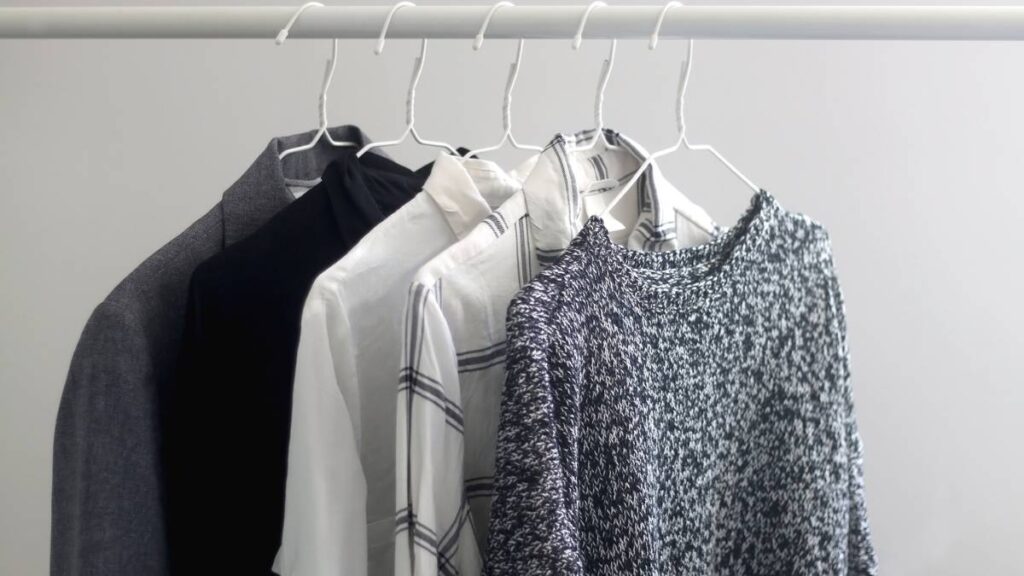

Cramped closets can frustrate anyone who wants a tidy, fast routine. When shelves spill over and hangers tangle, organizing closet space turns from a simple chore into a daily headache. Nobody enjoys searching for favorite items beneath a mess of mismatched shoes and forgotten sweaters.
Micro lifestyle skills bring small solutions with big rewards—especially in organizing closet chaos. Every shelf, hook, and box matters when space is tight or wardrobes mix a variety of pieces, seasons, and moods. Clutter doesn’t have to dominate your mornings or your mindset.
This article reveals realistic organizing closet strategies you can start today. Step-by-step examples, action-first checklists, and decision guides will equip you to create order with confidence, making your closet an ally in daily life instead of an obstacle.
Identifying Storage Opportunities Among Everyday Items
Anyone can find new storage by reimagining familiar tools and habits. Maximizing organizing closet potential begins by seeing overlooked nooks, vertical surfaces, and dual-use organizers in a fresh light.
Start by cataloging what you already own and the kinds of clothing you wear. When you spot wasted inches or tall walls, you gain an immediate edge—no new purchases needed.
Spotting Unused Vertical Spaces
Look above hanging rods for shelf space or the back of closet doors, where sturdy hooks can hold bags or scarves right within arm’s reach. A tall closet isn’t just for long dresses—it’s perfect for multi-level shelving.
Try using those higher zones for out-of-season or infrequently worn clothes. Storing boots on upper shelves leaves the floor open for baskets or laundry bins, encouraging daily use without clutter buildup below.
Install removable, adhesive-tape organizers. Someone might say, “I used to ignore my closet door, but now each hook is for something specific—raincoat, belt, crossbody bag.” This division prevents pileups and takes just a minute to review weekly.
Repurposing Everyday Containers
Instead of buying new bins, convert shoeboxes, lunch tins, or gift boxes to keep socks, belts, or workout gear contained. Labeling these adds instant visual order that signals where everything returns—no new clutter, less confusion.
Imagine stacking shoe boxes on a shelf, then writing “summer tanks” or “scarves” on the side. It’s not just neat; it allows you to grab exactly what you need without rummaging through the stack.
This habit saves time each day and keeps your focus on essentials. Revisiting the system monthly helps you decide if any box contents need moving, donating, or tossing altogether.
| Item | Potential Closet Use | Benefits | Takeaway |
|---|---|---|---|
| Shoeboxes | Compartment for accessories | Free, sturdy, stackable | Label for easy retrieval |
| Hooks | Hang bags/jewelry | Uses vertical real estate | Install on doors/walls |
| Shelf risers | Double up shelf capacity | Separates folded stacks | Ideal for sweaters, jeans |
| Tension rods | Extra hanging tier | Custom closety division | Use for scarves, shoes |
| Baskets | Bulk item storage | Quick containment | Use for laundries/to-go |
Creating an Efficient Closet Routine That Lasts
You sustain organizing closet clarity by following a system—even on rushed mornings. Quick, recurring steps preserve your progress, preventing clutter from returning. A strong routine gives you confidence each day.
When everything has a set home, returning clean laundry or prepping for tomorrow’s schedule is less stressful. Even a ten-minute review per week boosts the effectiveness of every square foot in your closet.
Morning and Evening Maintenance Micro-Habits
- Hang garments immediately after use: Reduces wrinkling and discourages chair piles, saving future ironing time. Make it a rule after you change out of work attire.
- Return accessories to labeled spots: Keeps small items organized and visible so nothing gets buried. Train yourself to drop jewelry into its own tray nightly.
- Straighten folded piles as you go: Prevents teetering stacks, making items easier to see at glance. Fluff the stack after each removal.
- Use a five-item evening reset: Spend five minutes nightly, returning clothes to their homes and tossing dirty items in the laundry basket. This routine staves off weekend overwhelm.
- Schedule a weekly closet audit: Choose one day a week for a ten-minute check, looking for stray shoes or misplaced bags—restore order before new clutter sneaks in.
Establish these habits by pairing them with daily routines; for example, straightening folded shirts right after brushing teeth each night cements the system.
Organizing Small Items Without Losing Track
- Group accessories by category: Place all scarves in a bin, all hats on a dedicated shelf, so nothing gets lost. Labeling adds reinforcement.
- Use travelers’ packing cubes: Tuck socks or underwear into cubes within deep drawers—unzip to see everything at once, no rummaging needed.
- Hang belts vertically: Hook belts along a hanging rail rather than coiling them in drawers. This preserves shape and saves time finding the right one.
- Dedicated valuables spot: Choose a small box or tray for heirlooms or watches. Return items every evening; quickly scan in the morning to ensure nothing got misplaced in a rush.
- Rotate by season: Move cold-weather accessories out every spring, warm ones in every fall, keeping only what you’ll actually use handy. It’s like shifting your closet’s mood with the weather.
These small decisions reduce friction when searching for everyday necessities, resulting in less frustration and more efficient mornings.
Making Decluttering Decisions with Micro Scripts
Liberating cramped space starts by letting go of what no longer serves you. Using realistic micro scripts for each item speeds up organizing closet sessions and curbs second-guessing.
Visual cues and quick decisions are the secret to maintaining daily closet order. A conscious approach to removal keeps sentimental items from burying the essentials you actually wear.
Choosing What to Keep: The 12-Month Rule in Real Life
Hold a clothing item and say aloud, “Have I reached for this in the last year?” If not, move it to a donate pile. This shortcut removes emotional guesswork.
Imagine holding a fancy jacket you haven’t worn: “Do I have an event coming up where this fits? Am I excited to wear it this season?” Answer honestly to unlock more space right away.
Set a visible calendar reminder for a biannual review—a clear recurring event cuts down on forgotten pieces and boosts new possibilities for your organizing closet strategy.
Removing Guilt Items with a Reason Script
When you hesitate to part with a gift or a hardly-worn item, tell yourself, “My space is valuable, so I keep only what helps my daily life.” This mindset supports practical progress.
For nostalgic clothes, snap a quick photo before donating. That way, you keep the memory but regain closet freedom. This method is more satisfying than letting things sit untouched.
Grab a small basket and challenge yourself: gather three “maybe” items. Holding each, say why you haven’t worn it, then thank the item for its time and place it in the outbox—action replaces guilt.
Maximizing Zones for Different Clothing Types
Segment your closet into ‘work’, ‘casual’, and ‘special occasion’ sections—a plan you can execute instantly. This tactic means you always know exactly where to find what you need during any kind of day or schedule shift.
Set up physical dividers or colored hangers to make boundaries unmistakable, even during early morning routines or rushed outfit changes. Use this system to keep organizing closet results consistent week after week.
Work Zone—A Focused Start to Each Day
Use sturdy hangers in a single color for all workwear. Place shirts and blouses together, pants and skirts side by side. Position this section closest to the closet door for easy weekday grabs.
Hang uniform items front and center, such as black blazers or tan pants. The routine will cut morning decision fatigue, helping you launch confidently into each workday.
Post-laundry, hang fresh work clothes immediately, review for any damages, and arrange by category. This process turns a cluttered rod into a quick-access arsenal for busy professionals and planners alike.
Casual and Special Occasion: Making Weekend Shifts Seamless
For weekend outfits, set up soft bins or open shelves for jeans, tees, and cardigans. If you layer often, put hooks nearby for scarves or lightweight jackets—habit-friendly for anyone adapting to weather swing seasons.
Formalwear benefits from garment bags and being grouped on less-used, higher rods. This protects your best clothes, leaving everyday wear visible and accessible at eye level, reinforcing your organizing closet routine.
Explain your system aloud as you sort: “Dress shirts first, jeans here, formalwear to the side.” This reinforces habit-building by connecting movement to memory—your organizing closet process will become second nature.
Adapting Organizing Methods for Shared or Tiny Spaces
When closet space is shared by roommates, partners, or even kids, designate zones with names or signs. This brings clarity to shared routines and minimizes daily mix-ups and boundary crossing—everyone knows where their things live.
Deploy shelf dividers, color-coded bins, or stick-on labels for instant visual separation. In shared and tiny spaces, having a defined organizing closet method heads off confusion before it ever starts.
Creating Mini-Kits for Speedy Morning Routines
Keep a week’s worth of undergarments, socks, and a basic tee in one box. For gym days, prepare a small bag with workout wear. These micro kits eliminate scrambling so your morning energy is geared toward your plans, not your closet.
Each kit is replenished after laundry day: every piece has a slot, turning resets into a two-minute task. If you share your organizing closet, label each kit with the owner’s initial for foolproof retrieval.
If you notice a kit goes untouched for over a month, revise its contents. This ongoing edit keeps your system functional and nimble for shifting schedules and needs.
Rotating Content for Infrequently Used Items
Stow seldom-worn clothes like formal attire or seasonal wear in under-bed bins or on high closet shelves. Revisit these at the start of each season to bring needed pieces back into reach and retire those you haven’t worn.
When bins appear too full, use a ‘one-in, one-out’ rule. Adding something new means something old goes. This rule enforces organizing closet discipline and keeps your collection streamlined, not stagnant.
Set a calendar alert to rotate and declutter—connect the act to a monthly event, like rent day or a favorite show. Consistency cements the habit.
Conclusion—Making Organizing Closet Skills Simple and Lasting
It’s possible to reclaim small closet space for good. Applying organizing closet strategies—item review, zone setup, and micro-habits—delivers sustainable simplicity day after day.
Organization isn’t a one-time fix; it’s a gentle, ongoing process you weave into regular routines. Every adjustment you make increases daily ease and clarity, especially as needs change over time.
The reward is a calm, useful, and reliable space that serves you, not the other way around. When your closet supports your life, you gain time, energy, and daily comfort. Start refining your organizing closet skill set now.
Frequently Asked Questions
What’s the first step to organizing a tiny closet?
Start by removing everything and sorting clothes into keep, donate, and repair piles. Clean shelves and vacuum the floor. This clears space and sets a visible baseline for new systems.
How do I maintain daily closet order with a busy schedule?
Establish small, anchor habits—like hanging clothes as soon as you change, and a five-minute evening reset. Couple these with visual cues (labeled boxes, color coding) to keep returns quick and automatic.
What’s the easiest way to decide what to let go of?
If you haven’t worn an item in the last twelve months and it holds no special memory, donate or recycle it. Practicing a set script, such as “Have I reached for this recently?” speeds decisions.
How do I store out-of-season clothing for maximum space?
Pack off-season items in clear bins or zippered bags and place them on upper shelves or under the bed. Always label bins by season so repositioning clothes takes just a few minutes each spring or fall.
What if my closet is shared with someone else?
Assign each person a specific zone with bins, labels, or shelf dividers. Schedule a weekly five-minute check to keep boundaries respected and areas organized, ensuring everyone feels their space is valued.