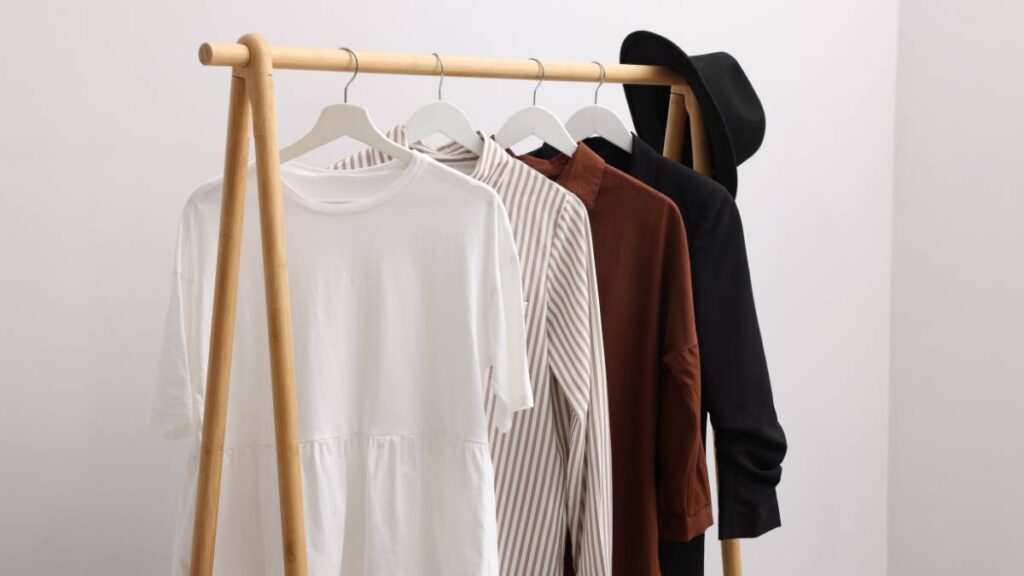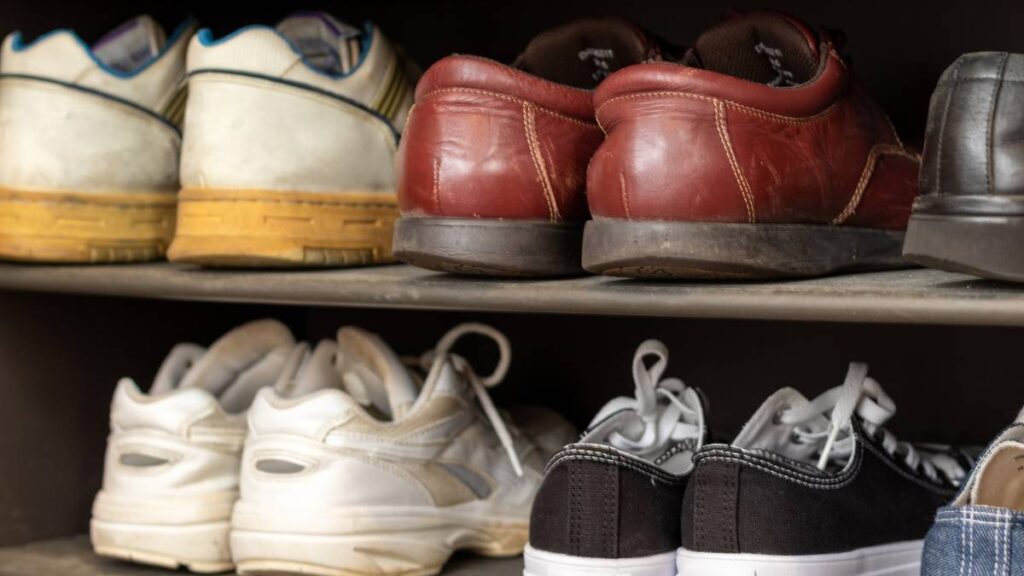
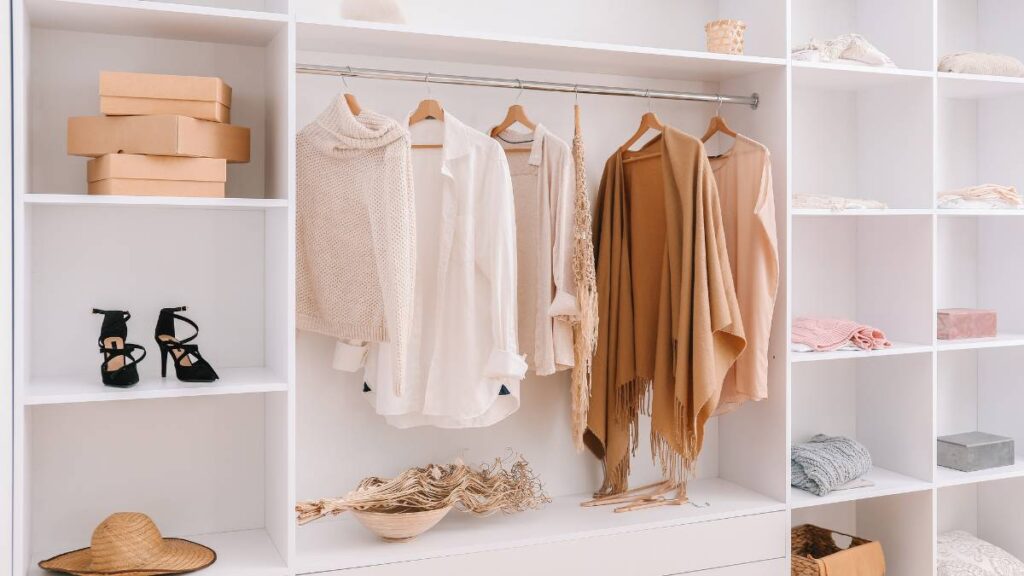
If you’ve ever felt overwhelmed searching for just the right t-shirt, you’re not alone. Creating a minimalist wardrobe can shift your entire experience of getting dressed every morning and free up headspace for the rest of your day.
Carefully curating a capsule closet is more than decluttering drawers. When you commit to the minimalist wardrobe approach, every piece you own starts working for you—versatile, purpose-driven, and aligned with your real-life needs.
Stick with this guide to understand actionable steps, realistic examples, and micro-skills you can truly use to build a functional capsule wardrobe—without stress or confusion. Let’s make your mornings (and life) easier.
Choose Foundational Pieces That Serve Multiple Outfits
Selecting garments that flex across casual, professional, and social settings dramatically streamlines your minimalist wardrobe. With fewer but more versatile items, you’ll dress confidently with less effort every single day.
Think of each piece as a multi-tool. Prioritize fit, comfort, and adaptability over fleeting trends. Ask yourself, “Would I wear this three different ways this week?” If yes, it earns its spot in your capsule.
Focus on Timeless Silhouettes
Crisp white button-downs, simple black trousers, and classic denim never feel out of place. These silhouettes form anchors in your minimalist wardrobe, standing the test of both trends and time.
Stick to shapes and lines that consistently fit your body well. For example, a tailored blazer offers instant polish. Each staple should play lead or supporting role any day you choose.
Avoid novelty shapes that are hard to match, since they sit idle. Buy fewer items and trust classic forms to carry different styles with ease—from sneakers to loafers.
Double Down on Adaptable Colors
Neutrals like navy, gray, beige, black, and white are the backbone of an efficient minimalist wardrobe. Pairing any two instantly creates a cohesive look—no stress.
Build a base of foundational colors. Add just one or two signature accent shades across seasonal pieces for variety. This micro-skill cuts time and guarantees matching outfits every morning.
If you crave color, let your accessories or tops hold the pop, while bottoms and layers stay neutral. This keeps coordination brainless, no matter how early your alarm rings.
| Piece Type | Why It Works | Best Colors | Next Step |
|---|---|---|---|
| White Tee | Layers under blazers or sweaters, stands alone with denim | White, off-white | Add two quality tees |
| Black Pants | Dress up or down, work with every shoe color | Black, deep navy | Add one well-fitted pair |
| Denim Jacket | Trans-seasonal, adds casual structure | Mid-wash blue | Choose a simple cut |
| Tote Bag | Holds essentials, fits work or leisure | Beige, black | Invest in sturdy material |
| Neutral Sneakers | Comfortable and universally stylish | White, gray | Add to your base rotation |
Streamline with a Personal Uniform Rule
When you set boundaries for your look, you eliminate decision fatigue. A uniform isn’t boring—it’s your shortcut to feeling put-together, whether you’re running errands or heading to work.
Create your rule around real habits and comfort. For instance, someone might say, “Every weekday, I’ll wear black pants, a solid tee, and a single statement accessory.”
Create Wardrobe Categories for Easy Choices
By dividing your minimalist wardrobe into set groups—tops, bottoms, layers, shoes—you simplify each morning routine. Use drawer dividers, labeled shelves, or color-coded hangers to reinforce categories visually.
- Assign space for each type: Place all tops in one drawer, all pants in another. This prevents clutter and keeps choices quick instead of digging for options.
- Create micro-rules: “Always hang outerwear, always fold sweaters.” When every item has a spot, your capsule stays orderly for months with zero extra effort.
- Lay out options the night before: On busy mornings, it means your uniform is ready to go, minimizing stress. Check the weather app, pull what fits, and sleep with peace of mind.
- Keep laundry rotation tight: Put clean laundry directly back into its assigned zone, not a random pile. This ensures your minimalist wardrobe always feels accessible.
- Audit weekly: Sunday evening, scan for items drifting out of place. Putting them back on track restores the routine, keeping your micro-skill sharp and your clothes fresh.
Uniforms aren’t about looking the same every day—they’re about consistency in the moments that actually matter to you.
Tweak Your Uniform to Fit Social Plans
If you have a dinner out, swap the regular sneaker for a sleek loafer, or choose a statement necklace instead of a simple watch. Your uniform flexes to adapt.
- Swap key accessories: For example, change your tote for a clutch, instantly elevating a daytime uniform to evening-appropriate.
- Add a blazer or lightweight jacket: Throws over a tee and jeans, making you event-ready in moments.
- Choose a brighter top: If your base is always black pants, adding a vibrant blouse is low effort but high impact for after-work dinners.
- Upgrade shoes: Switch from sneakers to ankle boots when needed; the rest of your uniform stays the same, saving you time.
- Check proportions: If your uniform uses loose pants, pair with a fitted top for balance. These subtle changes keep your look current and personal.
Your capsule wardrobe can support both structured habits and spontaneous plans without doubling your clothing count.
Edit Your Current Closet With Clear Criteria
Edit decisively by removing anything that doesn’t serve your minimalist wardrobe vision. Apply specific criteria—fit, comfort, versatility—to every single item you own before you let it stay.
Editing is a skill anyone can practice. The more regularly you do it, the more streamlined—and enjoyable—choosing clothes becomes each morning of the week.
Try the Rule of Three Wears
If you haven’t worn something at least three times in the last month, ask why. Maybe it needs a new button, doesn’t fit your current body, or simply doesn’t blend with your capsule’s palette.
Hold it up, mirror-check for fit and color, and say aloud, “Would I reach for this today?” If it feels like work to make it fit, it’s time to let go.
Follow up by folding or hanging remaining pieces neatly, ensuring only the best parts of your minimalist wardrobe get prime closet real estate. Approaching editing like this once a season builds consistency.
Decide Where Your Outgoing Clothes Go
Bag up donation-worthy items immediately, so they’re out of sight and out of mind. For special pieces, use online platforms or clothing swaps to ensure they’ll be useful for someone else.
Categorizing outgoing items keeps the editing process honest and lasting. If you’re unsure, put questionable clothes in a “maybe” box and revisit them in a month—most will no longer feel essential.
Editing isn’t one dramatic purge but a gentle, ongoing micro-skill. The more you practice it, the more your minimalist wardrobe becomes truly ‘yours’—flexible, focused, and free of clutter.
Choose Quality Over Quantity Every Time
Committing to well-made pieces in your minimalist wardrobe ensures durability and sustained enjoyment. Quality isn’t just fabric strength; it’s craftsmanship, fit, and how something feels on your skin from day to night.
As you curate, examine seams, stretch, and finishes closely. Avoid disposable fashion by learning simple quality cues, even for everyday basics like socks, tees, or knits.
Spot Quality in Fabrics Instantly
Squeeze fabric in your fist to check recovery: A good tee should bounce back, not stay wrinkled. Run fingers across seams—smooth edges and even stitches suggest longer-lasting wear.
Hold fabrics up to light. Thin, see-through layers lose shape fast. Weightier cottons, wools, and blends support you over the long haul, keeping your minimalist wardrobe sharp years beyond cheaper finds.
If you sense itchiness or limpness in-store, skip it. No piece—at any price—should require compromise on comfort. Quality is a lived-in experience, not just a label.
Choose Reliable Brands Once, Not Repeatedly
When you find a maker whose pieces last wash after wash, stick with them. Buying multiples of a shirt that fits perfectly—one in white, one in navy—ensures reliability every week.
Always try on, move around, and test closures before you commit. Reliable brands reward you with predictably strong pieces—so you never panic when an item finally wears out.
Ultimately, every new addition to your minimalist wardrobe deserves scrutiny. Ask, “Will I be happy to see this after twenty wears?” If yes, it earns a permanent spot in your capsule.
Rotate Seasonally Without Overstuffing Your Space
Swapping your minimalist wardrobe out for the new season maintains focus. Only keep current-weather pieces in rotation and store off-season items separately, freeing up visual and physical room.
Use clear bins or garment bags for storage—label them simply (“fall knits,” “summer linens”). When rotating, inspect each piece for wear or repairs. This habit keeps your capsule wardrobe accurate and fresh.
Pace Your Seasonal Transition for Success
Instead of tossing all out-of-season clothes in one go, set aside fifteen minutes per week to rotate part of your minimalist wardrobe. This staged approach keeps the process light and manageable.
Week by week, reintegrate what fits your current needs. If a spring dress lags in the closet even as temperatures rise, consider donating or storing it. Seasonal rotation is successful if you’re wearing 95% of what’s visible.
Building the rotation micro-skill means you’ll always enter the season with purposeful options and zero extra clutter standing between you and a good day.
Let Accessories Add Flexibility—and Personality
Accessories in a minimalist wardrobe ensure versatility, bring personality to basics, and let you transition seamlessly between settings. Limit your accessory count, but favor impact pieces you love to wear on repeat.
Use a tray or hook system to keep visual track of your small collection. This reinforces thoughtful choices and curbs the temptation to keep accumulating without clarity or purpose.
Curate Essentials for Week-to-Week Variety
Choose one classic watch, two to three belts, a slim scarf, and one or two hats that fit your lifestyle. These workhorse accessories boost outfit mileage and invite variety with minimal extra space or decision-making.
Rotate jewelry by the week, setting away special-occasion pieces. Place all-purpose picks—like hoops or studs—front and center, so they remain top-of-mind during everyday routines.
Let each item earn its spot in your minimalist wardrobe by supporting at least three kinds of looks. If a necklace pairs with both office wear and casual denim, it’s a keeper.
Micro-Experiment With Signature Accents
If you want to test a bold scarf or new shoe style, make it the only experiment that week. This small discipline reveals what works—without risking clutter or crowding your capsule wardrobe.
Watch how others respond or how you feel throughout the day. If the accent energized your look, keep it around. If it didn’t, pass it on without regret.
This process ensures variety without excess, and keeps your minimalist wardrobe deeply aligned with your evolving self and schedule.
Refine Your Minimalist Capsule With Habit and Reflection
Refinement isn’t a task—it’s an ongoing process built into your life. Return to your minimalist wardrobe for a quick review each month, asking, “Which pieces felt just right? Where did I feel friction?”
This micro-reflection hones your instincts. What you need, you’ll notice. What bogs you down, you’ll remove next round. Reflection catalyzes continuous improvement without drama or pressure.
Treat refining as an opportunity, not a chore. Each adjustment gives your wardrobe a custom feel—precise, intentional, and uniquely yours. The minimalist wardrobe skill never really ‘ends.’
Frequently Asked Questions
What is a minimalist wardrobe?
A minimalist wardrobe is a carefully curated set of versatile clothing pieces meant to maximize outfit possibilities while reducing clutter and decision fatigue. It uses only items you actually wear and enjoy, making dressing efficient and stress-free.
How do I pick colors for my minimalist wardrobe?
Start with neutrals like black, gray, navy, and white—they pair easily. Add one or two accent shades for variety. Test combinations in daylight to see which mixes are easiest to match and feel most like you.
How many pieces should be in a capsule wardrobe?
There’s no universal number, but 25–40 pieces typically cover everything for most lifestyles, including shoes and accessories. The key is each item’s usefulness, not quantity. If you wear it regularly, it deserves a spot.
What if I miss my old clothes after downsizing?
Keep outgoing pieces in a storage box for a month before fully donating or selling. If you don’t reach for anything inside, you’re truly ready to let go. Most people rarely miss what didn’t fit their real habits.
Can I use trendy pieces in a minimalist wardrobe?
Absolutely, as long as they’re versatile and truly feel like you. Test one new trend at a time and see if it naturally fits with existing staples. If it gets consistent wear, welcome it into your rotation.