
Everyone feels stuck sometimes, trapped at their desk while work builds up and progress stalls. Learning to stop procrastinating fast opens a door most people never notice right in front of them.
Procrastination doesn’t need to define your entire day. Small shifts, like practicing a micro skill for three minutes, can reverse that downhill slide and spark action before you realize it.
Dive into these practical strategies and turn that creeping feeling of delay into clear, quick victories, using exact steps to stop procrastinating fast and reclaim momentum.
Quick Start Micro Skill for Immediate Progress
You’ll break the paralysis cycle when you see how a tiny action—completed quickly—builds confidence and wipes out resistance. Start by tackling one small item.
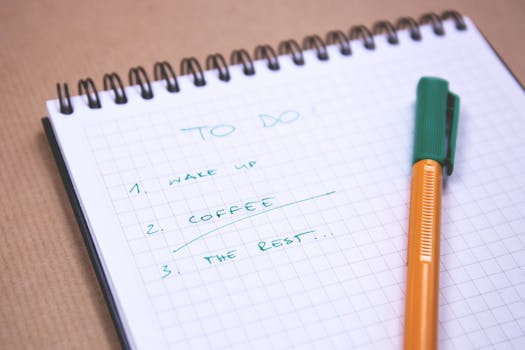
Open your to-do list and pick one task that’ll take less than two minutes. Completing that simple win is enough to help you stop procrastinating fast, even on challenging days.
Anchor Action to a Visual Cue
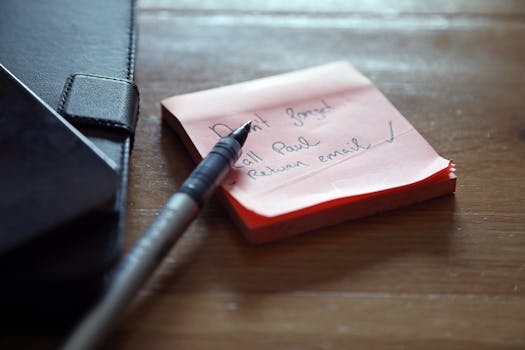
Place a sticky note above your computer with your chosen micro skill. Each time your eyes land on it, move immediately—standing up, typing three words, or writing a checklist.
Your brain connects the cue with action, shortening the gap between intention and execution. Use this link to build a reliable habit, so you consistently stop procrastinating fast.
As you repeat this, notice how initiating movement feels more natural. When you sense hesitation, say aloud: “Just start the note”—making the task real and physical is the breakthrough.
Use a Timer for Tighter Focus
Setting a one-minute timer on your phone lets you convert overwhelming projects into bite-sized wins. On paper, write what you’ll do in sixty seconds to stop procrastinating fast.
As the timer runs, ignore distractions and work only on that action. The short window limits doubt, and momentum grows with each countdown. Each round brings clarity and next steps.
Keep your phone within sight but silence alerts. On completion, lift your pen, breathe deep, and celebrate the shift—you’ve proven you can stop procrastinating fast by simply acting.
| Micro Skill | Time Needed | When to Use | Action Steps |
|---|---|---|---|
| Sticky Note Cue | 15 sec | Start of work block | Place note, read it out loud, initiate task |
| One-Minute Timer | 1 min | Feeling stuck | Set timer, pick micro task, start immediately |
| Verbal Script | 10 sec | Anytime distraction hits | Say “Just start now” and move |
| Task Swap | 30 sec | Low energy points | Switch to tiniest actionable to stop procrastinating fast |
| Checklist Check-in | 45 sec | After a short break | Review list, tick off or rewrite next mini-step |
Consistent Task Flow with Micro Bursts
Choosing micro bursts of focused action helps you bypass hesitation and generate a steady rhythm. This lets you stop procrastinating fast even when big projects feel daunting.
Start by defining a five-minute window and identifying the next smallest, actionable part of your task. Physically crossing it off builds a loop of satisfaction and keeps momentum alive.
Build Micro Bursts into Daily Structure
Block out three five-minute sessions in your morning, midday, and late afternoon. These planned bursts allow you to practice stopping procrastinating fast using manageable timeframes.
Using a wall calendar, mark a check for each completed burst. Visual trackers sharpen awareness and provide a game-like boost that makes the new routine stick with less friction.
- Write a single-sentence summary for each task—clarifies intent, makes tasks approachable, and cuts mental fog instantly.
- Batch similar items together in a five-minute sprint—to reduce switching costs and stop procrastinating fast by building short momentum chains.
- Physically check off each finished item—releases dopamine and gently encourages you to tackle the next few minutes of focused action.
- Kickstart with a stand-up stretch before each mini burst—energizes your body and signals that it’s time to switch into proactive mode.
- Use a quick transition phrase like “move now”—says out loud what you’ll do, guiding your focus directly to the starting point.
Maintain your pace by reviewing your micro burst pattern weekly. This habit-based review clarifies which techniques help you stop procrastinating fast and which ones need tweaking.
Incorporate Reward Cues for Motivation
Linking each completed burst to a small reward, such as standing for a stretch, strengthens your stop procrastinating fast muscle and encourages repeat action.
Use music as another cue—hit play on a motivating song before your burst begins, associating positive energy with concrete progress.
- Choose a song that signals focus, ideally one you reserve for these bursts, so your mind is conditioned to switch to action with that trigger.
- Drink a sip of water immediately after—cements the transition and anchors finishing with a personally meaningful reward.
- Open a window or shift workspace location only after completing the burst—ties environmental change to achievement, enhancing satisfaction.
- Send a quick check-in text about your progress—social validation, even briefly, can reinforce motivation to stop procrastinating fast.
- Turn off the timer with a mini fist pump—tangible, physical acts communicate victory to your brain and help the micro burst habit stick.
Adapt the reward cues over time, adjusting for what feels energizing or motivating in your current work environment to maximize the benefits of stopping procrastination fast.
Breaking Down Projects into Actionable Micro Steps
Dividing your project into clearly visible, small parts is the foundation of stopping procrastinating fast, especially when large tasks block your sense of progress.
Write each step—such as “Open file,” “Write four bullet points,” or “Email Mark the draft”—to banish vagueness and uncover hidden ways to move forward.
Concrete Chunking for Clarity
Create an index card for each micro step and spread them on your desk. Pick the top card, do the action, and place it in a “done” basket for a visual progress map.
This hands-on approach makes abstract tasks tangible, a strategy crucial to stop procrastinating fast as you witness each discreet win pile up beside your workspace.
Adjust the size by aiming for steps that take under three minutes. If a step feels sticky, break it down smaller until it becomes nearly effortless to launch.
Scripting the First Movement
Sit upright, feet planted, and say “First step: open document.” Repeat the action immediately after the cue, avoiding delay. Build the script into your routine every session.
The self-talking technique sparks your stop procrastinating fast cycle and trains your brain to identify action, removing indecision at the critical launch point.
Repeat the process with the next micro step. Each script-action cycle, backed by deliberate body posture, cements new habits and strengthens workplace confidence.
Micro Skill Stacking for Long-Term Anti-Procrastination
Stacking two or more micro skills back to back creates a protective environment, reducing the odds of relapse into procrastination. This toolkit approach lets you stop procrastinating fast with flexibility.
First, pair the sticky note cue with a one-minute timer. This double-trigger approach activates intention and creates momentum instantly, using multiple senses to reinforce your focus.
Layer Action with Visual and Physical Cues
Place a bright object—like a colored mug—next to your sticky note reminder. Each interactable element extends your attention span for the next micro skill sequence.
Physically move the object after completing a burst. This signals completion and resets your space, retraining the mind to pursue the next step efficiently and stop procrastinating fast.
Add a quick stretch or shake out hands for a kinetic reset before restarting your day. Movement solidifies the shift in mindset needed for ongoing anti-procrastination.
Mix and Match Skills for Varied Routines
Try weaving a verbal cue before setting the timer at lunch, or alternate micro steps and micro rewards in the afternoon. These variations prevent routines from becoming autopilot and losing their effect.
End each day by tracking which stacked skills worked best. Write a single bullet point column about your most effective sequence. Noticing and tweaking leads to lasting results.
This micro approach builds a defense system against ongoing procrastination, encouraging faster transitions back to productive flow and sustained habit formation.
Active Review and Real-Time Adjustment for Procrastination-Free Days
Reviewing your action process at the end of the day builds awareness, sharpens tools, and accelerates your journey to stop procrastinating fast, making tiny improvements manageable and visible.
First, check your physical and digital trackers. List what worked and what slowed you down, looking for patterns rather than blaming distractions or lost time out of your control.
Detailed Micro Habit Log Review
Create a page split into three columns: “Started Well,” “Stuck Points,” and “Quick Fixes.” Update it with today’s experiences immediately after the final work block.
Find one recurring trouble spot, such as “hesitated before launching email,” and pair it with a solution: “use timer and verbal cue next time.” Commit to testing the fix tomorrow.
Repeat with another pattern, tracking which micro skills helped you stop procrastinating fast most reliably. These micro reflections slowly turn analysis into automatic improvement.
Expand Your Adaptability Toolbox
Designate one skill as your experiment for the next workweek. For example, increase the timer from one to three minutes, or swap out the sticky note cue for a tactile desk object.
Document any noticeable changes such as speed, ease, or mental resistance. Compare these data points with past days for direct evidence of your stop procrastinating fast progress.
End each entry with a “next action to test,” so your plan stays fresh and relevant, never stagnating into old, less effective procrastination habits.
Conclusion: Sustain Forward Motion with Micro Changes
The consistent use of simple micro skills lets you stop procrastinating fast, regardless of workload or mood. The structure supports forward action, even on days when motivation runs low.
Each technique—visual cues, timed bursts, and skill stacking—builds momentum and lets you see visible results. Tracking, reviewing, and adjusting ensures your anti-procrastination toolkit fits your evolving daily needs.
Carry these practical approaches into your routine and refine them as you go. Watch resistance shrink, and celebrate each small victory on your journey to stop procrastinating fast and finish what matters most.