If you’ve ever wished your bag had extra room for that last-minute item, you’re not alone. Figuring out how to use backpack space fully can change how you travel, making every inch work for you.
Efficient packing isn’t just for extreme minimalists or hiking pros. Anyone can improve their packing skills and benefit from a smarter use of backpack space, whether for commutes, day trips, or longer adventures.
This guide dives into micro lifestyle skills that you can use right now. Stick around to learn approachable, actionable micro hacks that help maximize your backpack space quickly and effectively.
Evaluating Your Real Packing Needs Before Filling Your Bag
Deciding exactly what goes into your backpack makes the biggest difference in conserving backpack space. If you prioritize needs, you fit more with less and avoid unnecessary clutter every time you pack.
Start with laying out items you want to bring. Ask, “Will I use this today?” Only items passing that test deserve prime backpack space so you can travel lighter and move easier.
Applying the One-Trip Rule for Clothing
Picture selecting enough clothes for one day, even if the trip is longer. This frames what truly matters and reveals what could just take up valuable backpack space without adding benefit.
Someone might lay out an entire week’s worth of socks. Instead, only keep one or two pairs if you can wash or reuse. You’ll notice your backpack space expands instantly.
Adopt this thinking for all clothing—shirts, underwear, and layers. You’ll trim excess, leaving room for essentials without overstuffing your backpack space.
Using Visual Sorting to Eliminate Redundancy
Spread all your gear on the bed or floor. Visually compare similar items. You’ll quickly spot duplicates—like two phone chargers or multiple snacks—stealing backpack space you could reclaim.
This method short-circuits decision fatigue. When you see the overlap, it’s easier to say, “I only need one of these.” That micro hack frees up backpack space instantly.
Apply this step before every packing session for faster, more confident choices. You’ll keep only what you need and carry less every time you repack.
| Item Category | Why Keep | Why Remove | Action to Take |
|---|---|---|---|
| Extra T-shirts | Backup for spills | Infrequent use | Limit to two, wash when needed |
| Duplicate Cables | Device redundancy | Bulky and heavy | Pack one universal cable |
| Full Toiletry Bottles | Long stays | Heavy, takes space | Choose travel-sized containers |
| Bulky Shoes | Activity-specific | Seldom worn | Pick multi-purpose footwear |
| Printed Books | Leisure reading | Heavy, large | Switch to a digital reader |
Packing Items by Frequency and Accessibility
Arranging backpack space according to access frequency ensures you reach what you use most without emptying your entire bag. Frequent-use items sit in front, while rarely needed items fit deeper inside.
Think about what you’ll grab first: water, wallet, phone, headphones. Put these at the top or in outer pockets. This micro hack imports order and helps you maximize usable backpack space effectively.
Speed-Access Checklist for Top Compartments
If you’re running late or standing at security, you want common-use items within quick reach. Prioritize space for phone charger, snacks, or a travel card right up top for immediate access.
- Pack travel documents in a zip compartment so you won’t fumble.
- Add energy bars to a side sleeve for spontaneous hunger fixes.
- Keep headphones coiled in an external pocket.
- Slip water bottles in mesh holders to avoid spills inside the pack.
- Store a small hand sanitizer in a front zipper pocket—no digging required.
Each step transforms how you interact with your backpack space, making daily use practical and frustration-free.
Bottom-of-Bag Packing for Long-Term Items
Items you’ll use later, like a sweater or emergency kit, can go to the deepest part of your backpack space. Lay these flat to form a stable base for the rest of your gear.
- Line the bottom with a rolled rain jacket—minimal bulk, maximum preparedness.
- Slide a spare notebook under gear to maintain structure.
- Set a compact toiletry bag flush against the bottom for less shifting during transit.
- Reserve a spare charging cable for emergencies near the bag base.
- Balance load by spreading heavier items so your backpack space doesn’t sag.
This structure lets you pack densely while preserving order and shape, making every inch of backpack space count.
Adapting Folding and Rolling Techniques for Item Types
Choosing between rolling and folding isn’t a one-size-fits-all solution. Each type of item interacts with your backpack space differently—rolling soft tees, folding stiffer shirts, and mixing these methods maximizes your bag’s capacity.
Swapping techniques based on fabric or intended use helps reduce bulk. When you test both, you’ll spot what works best for specific categories and adapt each step to your backpack space.
RollingSoft Garments for Gaps and Corners
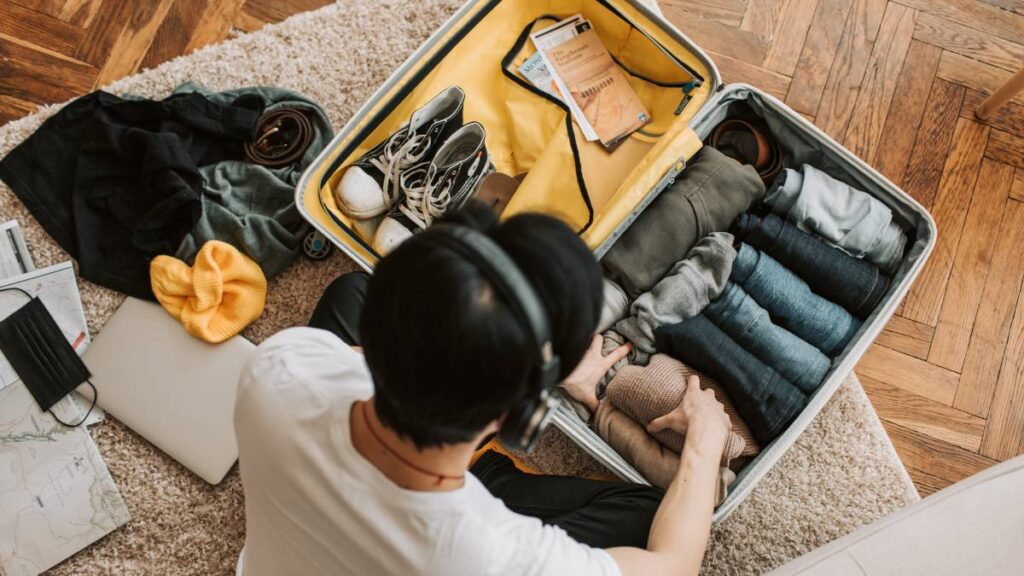
Rolling works for soft items, like t-shirts, gym shorts, or lightweight sweaters. Roll them tightly, then use these to fill corners and sides for a snug fit that doesn’t waste backpack space.
Try this tip: roll socks into shoes. This micro hack keeps socks fresh, maintains shoe shape, and opens up even more backpack space in small pockets.
If you lay out your rolled items before packing, you’ll notice exactly how much more you can fit compared to folding them flat. The result is instantly clear—denser, more organized backpack space.
Folding Structure for Stiffer Items
Dress shirts, jeans, or jackets maintain shape when folded flat. Lay these along the main section of the bag, stacking heavier pieces on the bottom for balance and structure in your backpack space.
Flatten bulkier items first, then layer soft pieces on top for cushion. This order preserves neatness and optimizes backpack space for less wrinkling or movement.
Adopt this hybrid method to tailor how each item uses available space. Backpack space becomes modular, adapting to contents instead of forcing a rigid pattern.
Optimizing Small Item Placement Through Grouping and Containers
Strategic use of pouches, small bags, and reusable zipper containers transforms scattered items into modular groups. By grouping like items, you control how your backpack space is filled and avoid hunting for basics amid chaos.
This mini-system lets you pull out only what you need without spilling contents everywhere. For example, you might dedicate a tiny pouch to first-aid items, making retrieval easy in stressful moments.
Accessory Pouch Efficiency
Use color-coded or transparent pouches: one for electronics, another for toiletries. You’ll spot essentials quickly, eliminating the temptation to carry extras that hog backpack space without adding value.
Review each pouch before packing, trimming non-essentials to save even more backpack space. Each action tightens your system and creates room for what really matters to you.
If a friend gives you a “just in case” item, clearly label a pouch for those. This separates daily-use gear from seldom-needed items, protecting prime backpack space in your main compartments.
Leveraging Micro Accessories and Multi-Use Items
Bringing gear that performs double or triple duty unlocks more backpack space than packing separate single-use items. Think of every item as a tool—if it solves more than one problem, it earns its spot in your bag.
Consider a universal travel adapter with USB ports. It replaces several chargers, consolidating bulk and freeing up your valuable backpack space.
Multi-Use Example Breakout
Packing a buff or bandana can cover many scenarios: neck warmth, face cover, makeshift potholder, or even as an improvised pouch. This is a concrete step towards smarter backpack space use.
Clip a carabiner to your bag strap as a key holder, water bottle holder, or emergency safety whistle carrier. These tools punch above their weight, maximizing backpack space indirectly by adding carry options.
If you pack a lightweight tote, it serves as your shopping bag, beach bag, or laundry stash. That’s more versatility, less wasted backpack space, and fewer single-use extras weighing you down.
Instant Fixes for Bulky and Awkward Items
Reshaping how you carry awkward or large items can save crucial backpack space. Tucking shoes toe-to-heel or placing a rain jacket in an outer sling releases space for small gear inside your main compartment.
Packing tiny items inside shoes or hats multiplies surface area and uses dead space efficiently. This approach is a simple tweak that pays off with every trip, especially as your backpack space stays organized and accessible.
Creating a Sustainable Packing Routine That Reflects Your Real Needs
Consistently reviewing what’s in your backpack helps keep backpack space optimized. Rethink your routine every trip, checking for outdated, unused, or redundant items that could be swapped for better options.
Keen observation during unpacking will show patterns—gear you bypass or items always at the top. Use this feedback to adjust packing order, grouping methods, and item selection for more effective backpack space management next time.
Frequently Asked Questions
What’s the most common mistake when using backpack space efficiently?
Many people pack for every possible scenario rather than real needs. Prioritizing everyday essentials and reevaluating before every trip helps keep backpack space manageable and clutter-free, making travel lighter and more predictable.
How can I keep clothes wrinkle-free in limited backpack space?
Choose folding methods for stiffer items and rolling for soft pieces. Place heavier items flat along the bottom, then lighter garments on top. This balance preserves structure and reduces wrinkles in tight backpack space.
Should I use packing cubes or bags for organizing backpack space?
Packing cubes or zipper bags help control small item chaos and enable modular loading. Choose transparent designs for quick item checks and review pouches before each trip to avoid adding unnecessary extras that eat up backpack space.
What’s the best way to pack electronics and chargers?
Group all tech accessories in one pouch, clearly labeled and stored near the top for fast access. Use reusable cable ties to prevent tangling and check for universal chargers to minimize item numbers in backpack space.
What’s a realistic rule for minimizing my load on short trips?
Apply the overnight rule: Pack only what you’d need for 24 hours, plus a single spare item for comfort. This habit trims fat and gives you built-in guidelines for future use of backpack space.