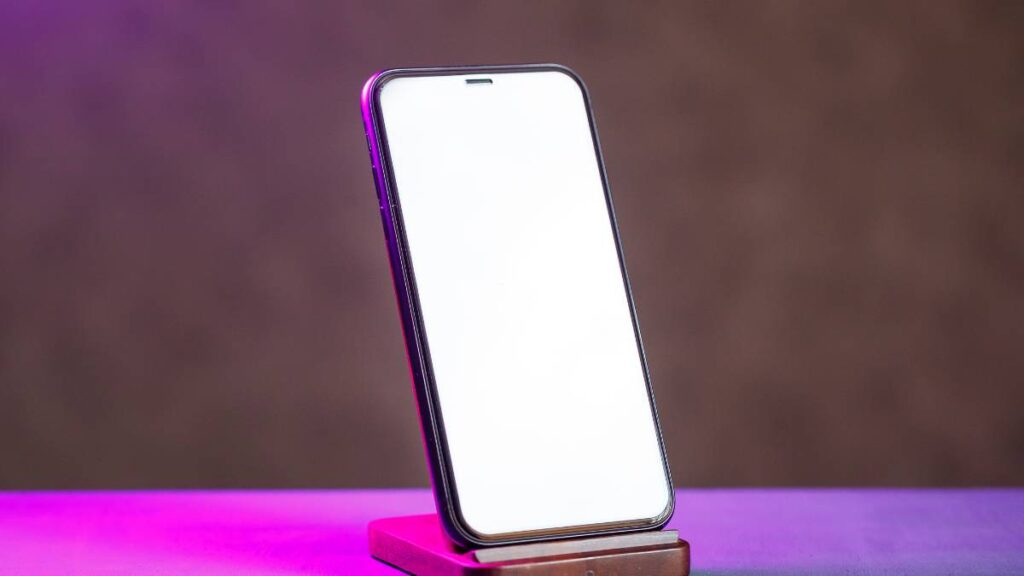
Feeling your phone slip while video chatting or watching a recipe? Using what’s around you, it’s simple to create a DIY phone stand that holds your phone securely.
Busy schedules mean stopping for a new phone stand isn’t always practical. Having a few fast solutions for a DIY phone stand can save time when you need hands-free access.
Read on for step-by-step guidance on making a sturdy, temporary phone stand. You’ll find practical tips, real-life examples, and smart comparisons to help you build the best DIY phone stand for any moment.
Assess Everyday Materials for Instant Phone Support
Finding a reliable object that becomes a sturdy DIY phone stand starts with recognizing common items suited for the job. Analyze shape and stability to choose wisely.
A coffee mug or empty glass with a flat bottom offers instant support. Set your phone sideways, and it sits securely for streaming or video calls.
Folded Cardboard: Quick Support from Packaging
Cut a piece from a cardboard box, fold two creases to create an L-shape, then place your phone in the groove—now you have a DIY phone stand on your desk.
Use tape or a rubber band to increase friction at the base. This keeps the phone from sliding, even when you get a call or notification vibrates the table.
Test stability by tapping the phone lightly. If it wobbles, adjust fold depth or reinforce the base. Analogous to folding a paper tent, stability depends on the base area.
Utensil Approach: Silverware as Phone Cradle
Choose two sturdy forks or spoons. Lay them side-by-side, curve the handles inward, and they cradle your phone like gentle hands supporting its sides.
Wider utensils accommodate thicker phones with cases. If using flexible utensils, adjust the angles so your DIY phone stand provides steady viewing without tipping over.
This method mimics the way bookends keep items upright: stability increases as you balance each side evenly. A good grip means less risk of your phone slipping off unexpectedly.
| Item | Stability | Setup Speed | Best For | Takeaway |
|---|---|---|---|---|
| Coffee Mug | High | Seconds | Desk or Kitchen | Use for quick video calls, rotates smoothly. |
| Folded Cardboard | Medium | 1 Minute | Desk or Table | Great for horizontal screens, needs precise folds. |
| Utensils | High | 30 Seconds | Anywhere | Adjust sides for custom fit each time. |
| Pencil Holder | Medium | Seconds | Workspaces | Phones with cases fit best, prevents rolling. |
| Books | High | Seconds | Bedside Table | Heavy books help hold angle, reliable for long viewing. |
Smart Techniques for Quick DIY Assembly
Building a DIY phone stand quickly means following simple, repeatable steps. Each new effort gets easier as you recognize which household items work best together.
Pair a business card holder and rubber bands for a phone display. This setup lets you swipe or tap the phone screen while keeping both hands mostly free.
Check Rubber Band Tension for Stability
Wrap two thick rubber bands around opposite corners of a folded book or case. Your phone won’t slide, and the bands flex to hold most devices.
- Wrap tightly for grippy texture that keeps the phone upright, preventing free movement.
- Cross bands in an X-shape for extra sideways support, especially if your phone is heavier or in a bulky case.
- Choose bands wide enough to avoid stretching out immediately, so the makeshift stand holds up for several uses.
- Add a thin foam or cloth under the phone for added stability, mimicking the non-slip pads used under keyboards.
- Rotate the setup to change the phone angle from upright to a shallower viewing position, adjusting as needed for comfort.
This step-wise method creates a dependable DIY phone stand that’s easy to pack away afterward.
Use Books and Cases as Adjustable Bases
Layer two paperbacks with spines at an angle. Slide your phone between the covers, so it rests snugly and can hold vertically or horizontally.
- Stack books so the spines sit at an offset, creating natural grooves for wider or narrower phones.
- Lean your phone at three or four distinct angles by adding or removing pages between the books, finding your preferred tilt for viewing.
- Interleave a soft case or mousepad under your phone for surface grip that cushions and stabilizes.
- Press the lower spine closer to your seated position for hands-free FaceTime or Zoom calls.
- Choose hardcover books for the most consistent support when making a long-lasting DIY phone stand.
Shift the books as needed if you switch phones or want to change the angle for a different activity.
Creative Variations Using Uncommon Items
Personalizing your DIY phone stand starts with finding inspiration among less obvious objects around the house. Try overlooked options for unexpected smartphone solutions each time.
Adapt a sunglasses case: flatten it, set your phone at a slant in the open groove, and the case sides keep your device stable—even with vibrations from notifications.
Paperclip and Binder Clip Stands for Workspace Flexibility
Bend two large paperclips into simple “L” shapes. Affix them as brackets along the edge of a heavy binder clip.
Slide your phone into the open binder clip, each paperclip acting as a guide to hold the sides. DIY phone stands made with clips are compact and easy to transport.
Experiment with the spacing by wrapping small strips of tape around the ends of the paperclips. This little detail can make the difference for thicker phone cases.
Pillow Prop Technique for Nighttime Viewing
At bedtime, build a soft base with a throw pillow folded on itself like a wedge. Nestle your phone in the crease—it’s a simple hands-free setup.
For thinner pillows, add a rolled-up towel behind the device. Use a pillow with a textured case for better grip and angle management, mimicking cushioned stands sold in stores.
If the phone slides, place a sheet of non-slip liner under it for added stability. DIY phone stands like this are especially gentle on delicate screens.
Combine Textures and Weights for Enhanced Durability
Adding the right textures or a bit of weight prevents accidental toppling or sliding. Think of a doorstop or sandbag as analogies—balance matters.
For example, an old mousepad under a cup works like a car mat: nothing skids around. Place your DIY phone stand on it for marathon calls or movie nights.
Using Weighted Items for Stability
Select a heavy mug, ceramic bowl, or jar. Place your phone in the lip or handle groove, so the weight counteracts bumps or vibrations.
Weighted items mimic tripods by holding a steady base. Adjust the angle by shifting the phone slightly inside the mug, keeping the display perfectly visible.
A thick rubber coaster under the mug absorbs shocks, making your setup friendlier for glass-topped tables or delicate surfaces.
Adding Textured Materials for Grip
Line your stand with felt, shelf liner, or a cut-up yoga mat. These materials add friction and prevent scratches, extending the life of your device.
For a portable variant, attach a strip of textured grip tape to the base of a cardboard stand. Your phone stays put, even when tilted at steeper angles.
This micro-adjustment is like adding tire treads for secure traction, turning any DIY phone stand into an upgrade you can trust for daily use.
Optimizing Angles and Positions for Best Viewing
The right angle keeps your neck and eyes comfortable throughout use. Try these tweaks to fine-tune your DIY phone stand for readability and hands-free efficiency.
Tilt your phone at 60 degrees for optimal video calls. Place a penny wedge below the bottom edge to adjust the slope for reading or streaming.
Adapting Stand Angle for Different Activities
When cooking, prop the phone more upright for recipes—imitating a music stand for easy glancing. For gaming, lower the angle closer to desk level, enhancing viewing without glare.
Change the tilt easily by adding or removing small objects beneath the base. Adaptation is practical, so you don’t have to hunt for new phone stands each time you switch tasks.
Remember to keep the screen’s center just below eye level, matching ergonomic setups recommended for computer screens.
Positioning for Shared Viewing
Place your DIY phone stand at the edge of a table when sharing a video. Angle the device so two or three people get a clear view.
For group calls, stack two stands—such as a mug and a book—so each viewer sees the screen, and there’s no crowding. DIY phone stand methods can be scaled up for friends or family.
Shift your position instead of the phone when adjusting for glare or lighting, keeping the display stable and hands free for conversation gestures or note-taking.
Upgrade Your Temporary Stand with Simple Additions
Small enhancements can make any DIY phone stand more effective, extending its usefulness over time.
Stick adhesive rubber feet under cardboard or mug stands for even more stability on glass or metal surfaces.
Create a Charging-Friendly Slot
Cut a notch or add a gap at the base of your cardboard stand. Your charging cable now threads through easily, so you don’t have to remove the phone while powering up.
Combine two DIY solutions by setting your stand on a non-slip mat with a cable organizer nearby. This keeps your phone ready for work or entertainment at all times.
Organize nearby chargers with a small tray or pencil cup, so the phone area doesn’t get cluttered. Small touches create an inviting tech station.
Temporary Solutions with a Professional Finish
When you craft a DIY phone stand from household items, aim for solid construction and a clean look. With simple adjustments, your stand blends into any space.
Hunt for matching colors or patterns as you pick up household materials. Matching your mug or book to the rest of your desk adds a tidy, coordinated vibe.
Add a small label or icon if others in your family or office share your workspace. It signals, “I built this stand—please return it when you’re done.”
A professional finish is about details: no ragged paper, clean folds, or surfaces cleared of dust before assembly. Each detail upgrades the overall experience.
The DIY phone stand works best when it’s both handy and visually pleasing, so you feel good leaving it out for daily use or guest visits.
Staying Resourceful When Commercial Stands Aren’t Available
Reusable phone stands are helpful, but knowing you can improvise a trustworthy DIY phone stand means you’re prepared anywhere, any time.
Using materials already on hand saves money, keeps you creative, and offers a sense of accomplishment. You control angles, textures, and fit—from home to office.
Keep experimenting each time you need hands-free phone support. You’ll find a preferred process, becoming more skilled and inventive after every attempt.
Invite others to try building their own stands, sharing tips and discoveries. Practical skills like these ensure that a missing accessory never stops your productivity or convenience.