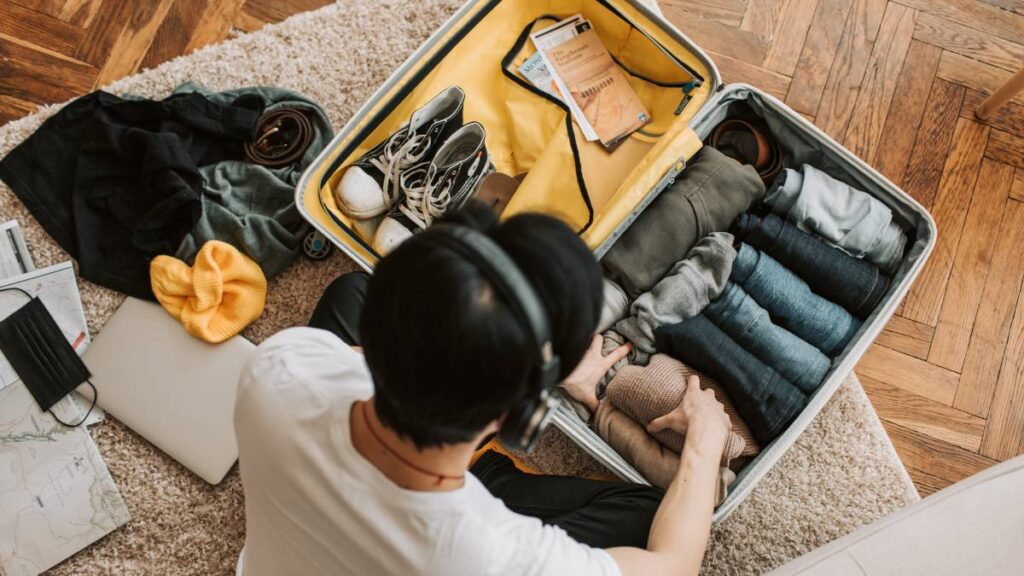
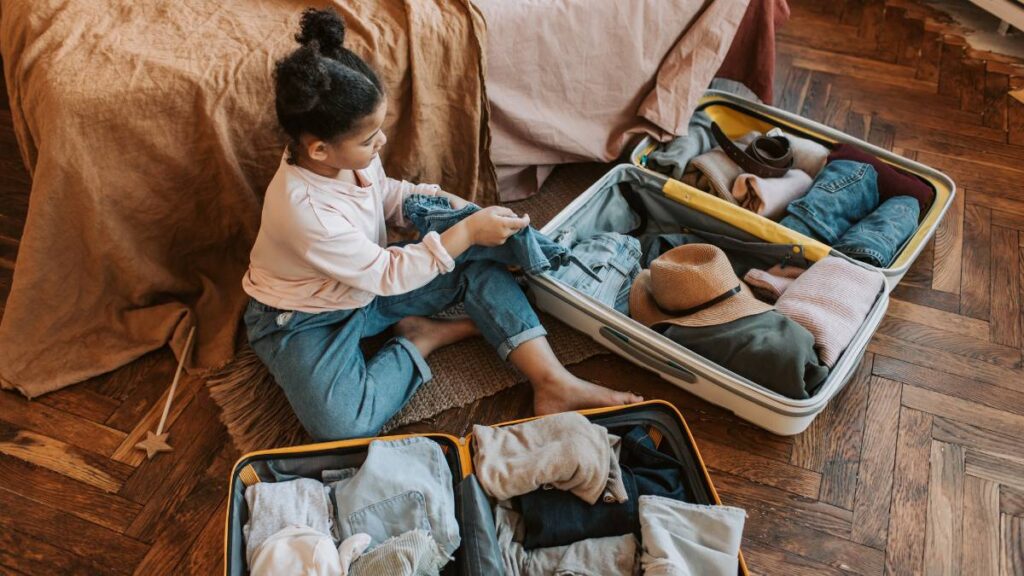
Travelers need to stay agile, especially when city hopping or heading somewhere the forecast spans from cool to hot. Staying comfortable isn’t luck—it’s all about smartly combining layers for flexibility and ease.
As you read on, you’ll discover practical micro-skills for choosing, packing, and styling layers without bulking up your suitcase. Let’s make layering a skill that feels second nature, wherever you go.
Building a Core Layering Strategy That Works Anywhere
Setting up a foolproof layering plan helps you adjust to daily temperature swings without constant outfit changes. Start by mapping out your trip’s temperature range and setting a realistic limit on the layers you’ll pack.
Keep your approach efficient by focusing on lightweight, compatible pieces that can mix and match. Prioritize natural fibers for base layers and synthetics for outer layers, so your combinations perform in various climates without unnecessary bulk.
Using Base Layers as Your Comfort Foundation
Choose base layers made from merino wool or technical synthetic blends. These fabrics pull sweat away from the skin, keeping you dry and comfortable wherever your day leads—whether hiking trails or sightseeing in the city.
Try neutrals like black, navy, or gray when selecting base layers. These colors match most outfits and don’t show dirt, making it easy to re-use pieces during multi-day trips.
Pack two or three base tops and a set of leggings or long underwear. Most travelers say, “I wear the light tee all morning, then add a sweater or jacket as I need it.”
Mid-Layers Deliver Insulation Without Bulkiness
Pullover fleece or a thin wool sweater traps heat when temps drop, but still fits beneath a jacket if you need more coverage. Opt for zip-neck styles to adjust airflow as you move between locations.
Look for compressible materials. A puffy vest or packable fleece works well. When stowed, these don’t crowd your bag, yet deliver essential warmth when you need to layer outfits efficiently.
For those who get chilly unexpectedly, stash a lightweight mid-layer in your daypack. A quick “add or shed” habit keeps you ready for cold trains, breezy evenings, or sun-drenched plazas.
| Layer Type | Ideal Fabrics | When to Wear | Smart Packing Tip |
|---|---|---|---|
| Base Layer | Merino Wool, Polyester | Next to skin, variable temps | Choose odor-resistant options |
| Mid-Layer | Fleece, Lightweight Down | Cool to cold; hiking, city breaks | Compress to save bag space |
| Outer Layer | Shell Jacket, Windbreaker | Wind, Rain, Cold | Opt for packable, waterproof fabric |
| Accessory Layer | Scarves, Beanies | Wind, extra chill | Fold or wear during flights |
| Bonus Layer | Cardigan, Wrap | Travel days, layering flexibility | Select multi-use pieces for city and lounge |
Selecting Versatile Layers for Maximum Return
Selecting dual-purpose, color-coordinated items ensures every piece you bring works across different situations. This maximizes the number of outfits you can create with just a handful of layers.
Go for clothes with quick-dry features, UPF ratings, or odor resistance. Doing this lets you wear your favorites repeatedly, so you travel lighter and smarter every day.
Choosing the Right Travel Fabrics
Pack merino wool tees and travel skorts for lightweight warmth and quick re-wear. Look for clothes labeled “moisture-wicking” and “UPF,” which signal practical options for layering outfits in mixed weather.
- Pick merino or bamboo for base layers: These materials naturally control sweat and don’t smell quickly, making them easy to wear multiple times before washing.
- Pack a lightweight puffer jacket: Fold it into a packing cube or stuff sack to minimize bulk and maximize packing space for souvenirs or snacks.
- Choose quick-dry pants: Nylon blends dry fast after rain or a quick sink wash, great for sudden showers or humid days on city tours.
- Bring reversible or neutral cardigans: These offer twice the styling options without doubling up on bulk or weight.
- Add a silk scarf: It keeps your neck warm when needed and can double as a head covering, eye mask, or napkin in a pinch.
Sticking to these fabric choices saves laundry days and lets you layer outfits for changing travel climates without stress or sacrifice.
Mixing and Matching with Intent
Design your travel wardrobe as if assembling building blocks. Every item should connect with at least two others so you’re ready for any combination of hot, cold, or transitional weather.
- Select two pairs of pants in different thicknesses: Wear the lighter ones alone, or stack both for warmth when evenings turn chilly.
- Layer a button-down over a tee: This casual approach lets you stay cool or warm up by rolling sleeves or buttoning up, enabling quick swaps through the day.
- Pack at least one tunic or long pullover: Toss it over base layers for warmth and modesty, especially when sightseeing in places with religious dress codes.
- Double up on socks by material, not just pairs: Thin running socks layer well under woolen ones, handy for long walking days when feet need temperature control.
- Use a multi-use wrap: Throw it over shoulders on a breezy morning, use it as a picnic blanket, or ball it up for lumbar support on long bus rides.
This intentional cross-matching guarantees that you can layer outfits to stay stylish, comfortable, and prepared, whatever the forecast says.
Adding Accessories to Balance Form and Function
Layering isn’t only about clothing. Packing the right accessories completes the system, letting you adapt your look, stay warm, and travel with minimal gear.
Packing efficient accessories—bandanas, hats, or gloves—adds flexibility without extra bulk. The right add-ons instantly transform an outfit and shield you from sudden weather changes.
Leveraging Limited Luggage Space with Small Additions
A compact beanie, lightweight scarf, and touch-screen gloves only take up a sliver of space. Yet each adds serious comfort when layering outfits on crisp mornings or late-night walks.
Slip an eye mask or soft neck gaiter into your jacket pocket. These pieces double as weather shields, privacy buffers, or even makeshift pillows during airport layovers or lengthy train rides.
Think: “I threw a scarf in my bag, didn’t use it for days, but when the wind picked up at sunset, I was suddenly grateful.” Prioritize these practical extras for real-time relief.
Packing Belts and Small Bags for Flexible Outfits
A belt can turn a loose tunic into a fitted dress or cinch a bulky sweater for visual balance. Some travelers keep a thin belt in their personal item, for quick outfit makeovers.
A lightweight crossbody or fold-up tote expands your carrying capacity for an added layer or hat mid-day. When layering outfits for shifting climates, a backup tote packs flat but comes in handy for souvenirs or groceries.
Use zippered pouches to separate clean and dirtied accessories. This way, you don’t clutter your whole bag and can reach for fresh pieces as weather or mood demands change.
Sustaining Smart Layering Habits on the Move
Staying disciplined about layering ensures you don’t overpack or rely on random purchases during your travels. Building this as a micro-skill means you get quicker and better with each trip.
Establish practical, repeatable habits so you can confidently layer outfits in any weather, from tropical rainstorms to alpine chill, without hesitating at the door each morning.
Layer Up First Thing in the Morning
As you wake, check conditions from your window or weather app. Start with your base layer and mid-layer on, then add more as you step outdoors.
This sequence builds a daily routine: base, mid, then outer layer as needed. Strip back layers as the day warms up, and store extras in your bag, keeping you agile and sweat-free.
Always perform a mirror check after layering. Adjust sleeves, tucks, or scarves for visual polish and comfort. This simple habit avoids fidgeting or re-layering later, keeping your mood bright and body at ease.
Practicing Clothing Rotation to Extend Freshness
Swap out layers at breakfast or midday, then hang pieces over your chair to air out while you’re out. Rotate between tops and bottoms to stretch their wear.
If you notice sweat stains or musty smells, do a quick sink wash and hang in a breezy window. Keeping backups stashed helps maintain freshness even on multi-week trips.
Rotate accessories—swap bandanas for beanies, or add/replace socks—to feel newly polished. This system reduces laundry days and ensures you always have a layer outfit combo that feels clean and presentable.
Conclusion: Owning Layering as a Micro Lifestyle Skill
Travelers who skillfully layer outfits can transition from frosty mornings to sunlit afternoons without dragging an overstuffed suitcase. It’s about working smarter, not harder.
Adapting your micro-skill of layering boosts comfort, shrinks packing lists, and gives you confidence wherever the journey leads. Success is incremental: Every trip strengthens your layering instincts.
When travel throws you a weather curveball, let your well-chosen layers do the work. This simple habit keeps you light, comfy, and always ready for new adventures on the road.
Frequently Asked Questions
What is the 3-layer rule for travel?
The 3-layer rule refers to wearing a base layer, insulation (mid-layer), and outer shell. This creates a flexible system so you can add or remove warmth as needed during unpredictable trips, and helps you layer outfits efficiently.
How many layers should I pack for one week?
For a weeklong trip, pack two base tops, one mid-layer like fleece, an outer shell, and compact accessories such as scarves and hats. This supports flexible layering without overpacking or missing essentials.
What fabrics prevent sweating while layering during travel?
Look for moisture-wicking fabrics, like merino wool and polyester. These materials draw sweat away from your skin and dry quickly, keeping you comfortable even after active shocks or hot-cold transitions in your travel schedule.
Can I layer outfits with dresses or skirts while traveling?
Absolutely. Pair leggings or lightweight tights under skirts and dresses for warmth. Add a cardigan or zip-up, then accessorize with a scarf for both style and temperature control as you adapt to changing climates.
How do I keep my layers organized in my luggage?
Store similar items in mesh packing cubes by layer type—base, mid, or outer. Roll each piece instead of folding to save space and quickly spot what you need when adjusting layers throughout your journey.