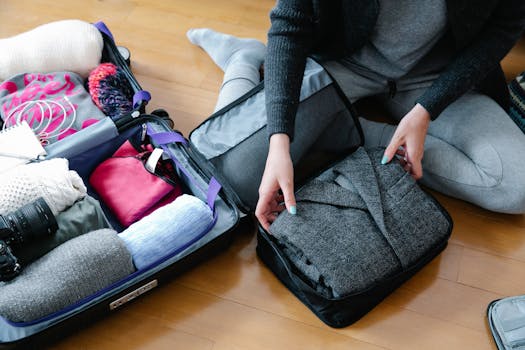

Scrambling to leave for a trip leaves even organized travelers flustered. One overlooked charging cable, forgotten passport, or missing medicine can set your plans awry. Sliding a proven packing checklist into your process is the micro lifestyle skill that turns chaos into calm.
Last-minute packing doesn’t need to feel high-stakes. What actually matters are the little details—daily-use essentials, travel documents, device chargers—placed into your bag with intention. That’s why an actionable packing checklist brings peace of mind every step of the journey.
If you want to avoid last-minute panic and master smooth departures, this guide has the specifics. Let’s refine your routine, highlight what really counts, and make space for that rare feeling: breezy confidence, no matter where you’re bound.
Set a System to Avoid Forgotten Essentials
Consistent packing routines eliminate last-minute surprises. By following a packing checklist on autopilot, you reduce stress and lock in predictability for future trips. Always start with your trusted list, not your memory.
The list acts like a safety net—covering basics before adding anything extra. Lay out every item, double-checking each as you go. People who do this rarely leave essentials behind, setting themselves up for streamlined travel.
Visual Cues: Increase Packing Success
Place your bag and laundry basket side by side. As you tick items off the packing checklist, physically transfer them. This creates a visual map of progress, turning abstract planning into a concrete accomplishment that’s rewarding in real time.
Say out loud, “Charger packed, check.” This helps you focus and reinforces memory by engaging another sense. If interrupted, resume where your voice left off—no need to panic or rush the process.
Use a bold-colored sticky note labeled “Unpacked” for any nonstandard items you must add right before departure, like medication coming from the fridge, to avoid last-minute forgetfulness.
Batching by Category: Clothes, Toiletries, Tech
Work systematically through the packing checklist—clothing first, then toiletries, then tech. For clothing, use the fold or roll strategy your bag allows. Check off as you assemble; already-worn clothes go right into the suitcase to prevent confusion.
For toiletries, keep a pre-filled travel kit in your closet. Restock after each trip and mark replacements on your phone’s shopping list. Minimal effort now saves headaches next time.
Gather tech—chargers, adapters, headphones—into a zippered pouch, placing it atop your packed clothes so it’s easy to find. Test each charger before sealing your bag, confirming you’ve got working gear.
| Category | Common Items | What Trips People Up | Takeaway |
|---|---|---|---|
| Clothing | Shirts, socks, jacket | Weather-appropriate layers missing | Review destination climate before packing |
| Toiletries | Toothbrush, razor, meds | Liquids over the limit or missing medication | Keep TSA-ready containers and spares on hand |
| Documents | Passport, tickets | Forgetting printouts or a backup ID | Photocopy and keep digital copies accessible |
| Tech | Phone, charger, power bank | Packing broken or wrong cables | Label gear and test before final zipping |
| Extras | Snacks, pen, book | Overpacking nonessentials | Pack only what you’ll genuinely use in transit |
Get Documents and Security Steps Out of the Way First
Your packing checklist should always prioritize documents. The travel wallet, full of ticket printouts, IDs, and confirmations, should land in your bag as a first step, not a last-minute scramble.
Once you’ve gathered documents, store them in an easy-access outer pocket. That beats digging through clothing or toiletries at airport security and helps keep the security process smooth and respectful for those behind you.
Proven Document-Ready Routine
Before zipping the bag, check the packing checklist for passports, visas, boarding passes, vaccination cards, and backup payment cards. Lay each one directly into the dedicated travel organizer.
- Designate a small travel folder as your “now” doc spot—never toss documents loose into a bag. That prevents panic at the airport gate.
- Photograph the front and back of each essential document on your phone. This one step makes emergency replacements less stressful and faster.
- Set up an email folder named “Trip Essentials” and forward digital boarding passes, hotel receipts, and contact info for easy searching, even with spotty Wi-Fi.
- Print paper backups for anything you can’t easily re-access, packing them with your travel wallet. Old-school as it seems, paper never runs out of batteries.
- Block a sticky note on your front door for the morning of your trip: “Grab passport, check phone battery!” That friendly reminder helps protect your calm at departure.
With all documents stacked and double-checked, you move forward to other steps knowing the most irreplaceable items are already secure.
Minimizing Security Bottlenecks
List the items in your packing checklist that need to come out for TSA or similar screening: laptop, liquids, and certain electronics. Place these near the top of your bag, not buried under everything else.
- Practice removing your laptop or tablet and placing them in a bin at home—just three times builds muscle memory for faster security lines.
- Keep liquids in a zip-top, transparent bag, and don’t fill above the allowed quantity. Tape the bag’s edge so it opens quickly. Faster unpacking beats fussing in line.
- Wear slip-off shoes and minimal metal jewelry on flight days, saving time and sidestepping alarm-triggering delays.
- Pack headphones and charging cords in the same pouch. Pull them into your hand before you queue—you won’t fish for cables after screening.
- Let family or travel companions know your game plan so everyone is ready together. Teamwork prevents bottlenecks that annoy strangers and frustrate your group.
Finishing these actions means your trip starts smoothly, without avoidable slowdowns at the worst moment.
Time-Saving Clothing Strategies for Tight Departures
Packing checklist hacks for clothing trim both indecision and wasted space. Batch clothing by day or purpose. Picking travel days’ outfits in advance keeps decisions easy and minimizies digging later.
Align your packing checklist with weather data. Packing only what suits local forecasts prevents heavy bags and ensures you’re always comfortable.
Quick Change Tactics for Early Flights
Lay your departure outfit on a chair or dresser. Your packing checklist can include a script: “Wear—comfy shoes, layered top, easy-off jacket.” Dress in the order you wrote, reducing morning confusion.
Bring a drawstring laundry bag to corral dirty clothes after arrival, not mixed with fresh outfits. If traveling for several days, pack two: one for top layers, one for undergarments. Pack tonight so there’s no early-morning frantic searching.
Slip a travel-sized lint roller into your suitcase. Before zipping up, run it across the surface of every top. That move keeps you spot-free, even in unfamiliar hotels.
One-Bag, Multi-Purpose Methods
Use items that serve double duty: lightweight scarf for warmth and a blanket, or leggings as both sleepwear and an extra layer. “This shirt covers dinner and daytime,” is language from smart, checklist-guided packers.
Mark multi-use items on your packing checklist to remind yourself of their double function. For instance, a neutral cardigan appears as “travel sweater (lounge, flight, meetings)” to reinforce versatility.
Footwear should be limited to two pairs: one worn, one packed. Choose both for comfort and walkability. Check footwear off your packing checklist as “Base (worn now),” and “Extra (bag).”
Build Resilience for Common Departure Hiccups
Expecting snafus and vetting your packing checklist for gaps make all the difference. When a flight delays, or rain starts, your readiness beats unlucky surprises every time.
Add a “snag bag” to your packing checklist, with basics like snacks, tissues, a refillable bottle, a stain remover pen, and backup earbuds. You’ll use what you pack, every trip.
Emergency Items: The “Just in Case” Approach
Pack a mini first-aid zip pouch: a few Band-Aids, antiseptic wipe, pain reliever, allergy tab. Place it where you can grab it without unpacking all your clothing. Add “first-aid pouch” to your packing checklist and check monthly for expired meds.
Reserve a quick-dry microfiber towel for unexpected messes or fast-drying after sudden rain. This small, featherweight essential goes on every packing checklist for its practicality and compactness.
Keep an extra USB charger and a ten-dollar bill in your travel wallet. These rarely take space but solve currency or low-battery emergencies. Check both as “Emergency” on your packing checklist.
Weather Curveballs: Adapt and Pack Ahead
Use a checklist line such as “Rain layer” or “weather-flex shoes.” Even a day trip can call for umbrella or packable poncho. Pack these on the side pocket for instant access.
Slip one dry bag into your luggage when rain is forecast. This prevents damp souvenirs or tech if everything else gets soaked. Mark “dry bag for electronics” on your packing checklist just above “chargers.”
Learn local climate quirks for your destinations. Someone flying to Seattle in July might say, “It rains in summer sometimes, so my packing checklist always covers a light shell.” Practical, not pessimistic.
Staying Charged and Connected Without Last-Minute Scrambles
By placing every needed cord and adapter on your packing checklist, you avoid that jolt of panic when devices are on 7% and there’s no outlet in sight. Prioritizing tech means smoother digital navigation the whole journey.
Gather all chargers and plug types into one zip-top bag, noting “All cords checked” on your packing checklist as you test and pack each one for fit. Save dead sockets and frustration for someone else’s trip.
Universal Adapter: Packing Checklist Non-Negotiable
Pack a quality universal adapter for international travel even if you “think you won’t need it.” This item, marked “must-pack” on many seasoned travelers’ packing checklists, makes foreign power outlets stress-free.
Test the adapter with each of your cords before departure. Cords for phones and laptops can look similar but act differently with overseas electricity. If you know in advance they work, you’re set.
Place the adapter in your personal item’s tech pouch or an easy-access pocket, so there’s never digging at hotel check-in. Your future self will thank you for the two-second packing checklist confirmation.
Backup Power: Never Rely on Airport Outlets
Add a power bank that holds at least one full phone charge to your packing checklist. Charge it two days before departure, not the night before, to avoid risk of dead devices at the airport.
Run a quick device test the evening before—plug your phone and headphones in, confirm lights and charging are working, tick their checkboxes. This level of preparation means you relax instead of hunt for outlets mid-transit.
Make a “Tech Ready” step last on your packing checklist. Double-check the zipped pouch at the door before leaving. One look, one touch, and you’re sure nothing is missed.
Fine-Tuning the Packing Checklist for Changing Travel Needs
Adapt your packing checklist to each trip. If traveling solo, you might highlight safety items and quick-access snacks. For families, prioritize duplicate chargers and comfort toys. Sharpening the checklist builds micro lifestyle resilience.
Customize based on duration—weekends call for pared-down items; two-week trips benefit from laundry solutions. Each adjustment makes your packing checklist fit you perfectly.
Pack Smarter for Different Travel Scenarios
If your destination changes climates, create a mini “changeover” kit on your packing checklist—midweight layer, emergency rain shell, and light gloves all together. Place the kit where you can swap outfits without a total unpack.
For road trips, list car charger, snacks within hand’s reach, and a garbage bag pinned on your packing checklist above documents. These tweaks cut clutter and keep travel smoother than intuition alone ever could.
Frequent flyers mark copies of loyalty cards, travel-size hand sanitizer, and anti-bacterial wipes. Adding these on your packing checklist keeps you healthy and organized for repeated takeoffs and landings.
Take Off with Confidence: The Power of a Ready Packing Checklist
Organizing your packing checklist and following it consistently shapes every trip into something smoother and more enjoyable. Each step means less stress, fewer forgotten items, and a travel experience that feels almost effortless.
Your packing checklist evolves with your needs—growing more precise and tuned to you after each journey. Friends and family might notice you’re calm, not harried, and ready for surprises along your route.
Apply the micro lifestyle skill of systematic packing to every trip. It only takes a few proactive steps, but the reward lasts the whole journey: a calm mind and a bag packed with purpose.
Frequently Asked Questions
What makes a last-minute packing checklist different from a basic one?
A last-minute packing checklist organizes essentials in order of priority, focusing on items that slowdowns or forgotten needs could disrupt. It’s less about including everything and more about timing, readiness, and rapid review.
How should I adjust the packing checklist for international versus domestic travel?
For international trips, always bump up portable chargers, universal adapters, hardcopy backup documents, and key medications. Adjust clothing needs for weather and culture, using a checklist note for special visas or entry cards.
What if my trip is less than 24 hours—can the checklist be shorter?
Yes, a packing checklist for a short trip pares back to only the essentials. Focus on ID, single outfit, charger, toiletries, and any work or event items. Confirm nothing unnecessary creeps onto the list.
Should children or older travelers use different checklists?
Absolutely. Add special medications, comfort items, or snacks for young kids. For seniors, highlight medical info, extra batteries or hearing aid supplies. Adapt the packing checklist for their independence level and needs.
Is it better to use paper or digital packing checklists?
Digital checklists sync across devices and allow for easy editing on the go. However, a reliable paper checklist, clipped to your bag, never depends on battery power. Try both—see which keeps you on track every trip.