Travelers know that nothing ruins a day like slipping on damp, musty shoes after a long journey. Every trip tests your packing skills, especially when it comes to managing odors.
Long travel days demand shoes that keep fresh, but cramped luggage and fluctuating climates challenge even experienced packers. Managing odor free travel shoes turns from luxury to necessity when trips last multiple days.
This guide reveals proactive solutions for keeping odor free travel shoes no matter how far or long you roam. Expect original tips, stepwise instructions, and actionable details for your next adventure.
Plan Wash-and-Wear Shoe Routines for Road and Air Travel
Setting a shoe routine before you leave keeps your feet and luggage fresh from day one. Odor free travel shoes start with this actionable habit, and you’ll see the difference quickly.
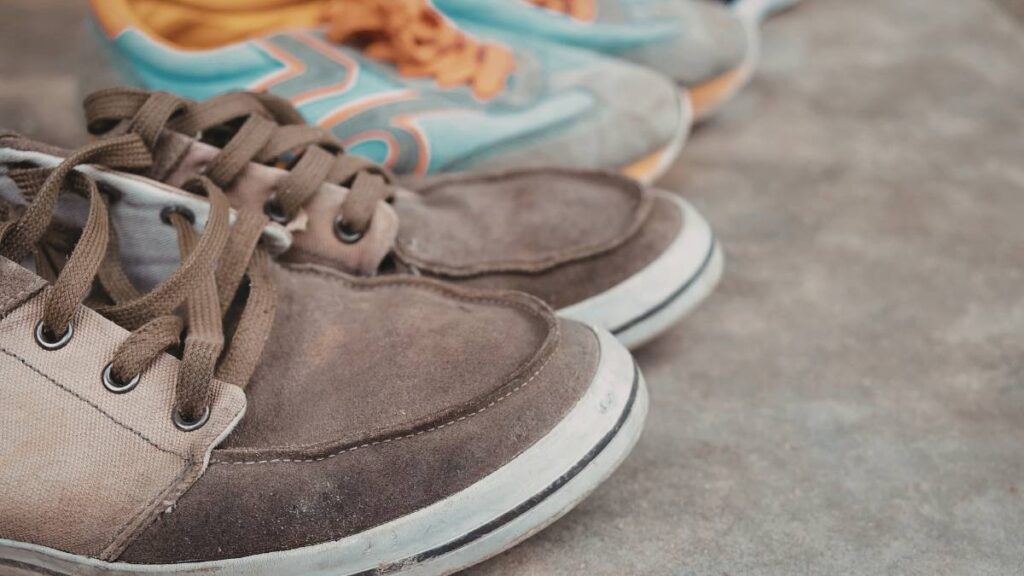
Packing two pairs allows one to “rest” while the other airs out, minimizing odor buildup across long trips. This habit provides insurance against unpredictable conditions too.
Pack Spares and Rotate for Drying
“If these get wet, I’ll need my second pair tomorrow” is exactly what travelers tell themselves before a damp morning. Bring two pairs, swap them daily, and allow thorough drying.
Leaving shoes unlaced or propping them open helps airflow work faster overnight. In hostels or hotels, hang shoes near an air vent if possible for best results.
After a day’s hike, stash one pair in a breathable bag and use the alternate pair for the evening. This process cuts down on bacterial growth inside shoes.
Use Quick-Clean and Dry Techniques
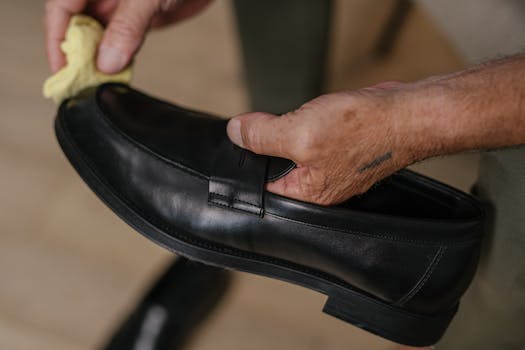
A simple travel-size brush removes dirt before it settles into fabric or seams. A packet of antibacterial wipes takes care of lingering sweat or splattered mud.
An old trick is patting shoes with a dry microfiber towel, absorbing excess moisture from the insoles and keeping bacteria at bay. Consider packing a spare towel for this purpose.
When shoes feel just damp, pack them with crumpled newspaper or a silica gel pouch. This wicks out hidden moisture overnight, speeding up the drying cycle even indoors.
| Shoe Care Item | Purpose | Travel-Friendly? | What to Try First |
|---|---|---|---|
| Shoe Brush | Removes dry soil, sand, and dust | Yes (compact, lightweight) | Use post-walk each day |
| Antibacterial Wipes | Kills surface bacteria, fights odors | Yes (resealable packs) | Wipe insoles nightly |
| Microfiber Towel | Absorbs sweat, speeds up drying | Yes (fast-drying, small) | Pat interiors after hikes |
| Silica Gel Packets | Draws out hidden moisture | Yes (small sachets) | Slip in shoes overnight |
| Breathable Shoe Bag | Stores shoes while allowing airflow | Yes (mesh or fabric) | Pack as backup |
Apply Multi-Layer Prevention for Persistent Odor Control
Layering prevention steps protects shoes from odor damage even in humid or prolonged travel conditions. Choosing multiple methods at once delivers long-lasting odor free travel shoes.
This approach works like a security system—each tactic covers a gap another might miss, reducing risks no matter the weather or trip duration ahead.
Pre-Treat With Antimicrobial Sprays and Powders
Spraying insides with antimicrobial solution or sprinkling powder before wear forms a protective barrier, stopping bacterial colonies before they start. This is a simple ritual worth adopting.
Look for shoe-specific products in compact, leakproof packaging suitable for air travel. This makes reapplication between destinations quick and discreet without waste or mess.
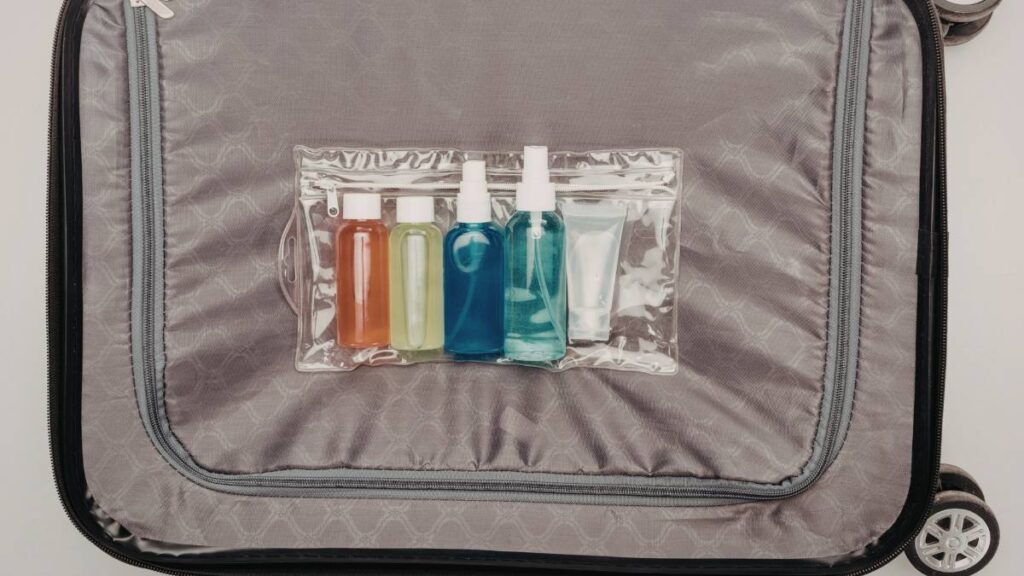
- Spray interiors with antimicrobial solution every 2-3 wears. This limits bacteria buildup, which is a major source of odors. Carry a TSA-approved mini bottle for convenience.
- Sprinkle baking soda or talc in shoes overnight. These natural powders neutralize smells and absorb moisture without harsh chemicals. Shake out powder before wearing the next day.
- Choose moisture-wicking socks, not just cotton. Synthetic blends or merino wool keep feet drier, reduce sweat in shoes, and prevent a cycle of odor reinfection with every step.
- Rotate footbeds or insoles if possible. Swapping insoles lets you clean one set while the others dry, further protecting odor free travel shoes on repeat journeys.
- Sanitize shoes between uses with UV sanitizers. A small, battery-powered device fits most shoes and knocks out lingering microbes with minimal effort, especially in wet climates.
Applying these pre-emptive defenses as a daily habit ensures long-term odor free travel shoes, especially in muggy or unpredictable conditions that challenge footwear hygiene.
Build a Rapid-Deodorize Rescue Kit
Pack a “quick rescue” deodorizer kit for problem days, including a pouch of baking soda, lavender sachets, and an extra set of thin insoles. Keep this kit handy for emergencies.
Use this kit to refresh shoes during layovers, after wet park walks, or when local laundry isn’t available. Replace sachets after each trip to maintain maximum effectiveness.
- Swap out insoles as soon as they feel spongy or sour, rather than waiting for visible grime. This avoids bacteria reaching deep into cushioning layers, which are hard to clean.
- Refresh with lavender or cedar wood pouches overnight. These scents not only cover up but also repel some odor-causing bacteria and fungi naturally, offering a double benefit.
- Add a sachet of baking soda right when shoes are packed away. Each time you repack, shake out residue for restored freshness before the next wear session.
- Dry shoes with portable electric shoe dryers in wet weather. Small models fit even in daypacks and provide gentle, even heat without overstressing fabrics or adhesives inside the shoe.
- Wash footbeds in a sink using a mild detergent and cool water. Air dry thoroughly before putting them back, as any leftover moisture fuels odor fast if sealed in a bag.
These steps keep odor free travel shoes in ready-to-wear condition throughout unpredictable schedules, city changes, and unexpected weather situations anytime you’re on the go.
Travel Comfortably with Smart Packing and Regular Maintenance
Optimizing your packing routine makes a major difference—travelers who follow these instructions report consistently odor free travel shoes all trip long, even after a punishing, soggy week.
Successful shoe care requires combining preparation, flexible routines, and quick spot-checks on the road. This strategy delivers dependable results for backpackers, business travelers, and vacationers alike.
Pack Shoes for Ventilation and Separation
Pack shoes in mesh bags instead of plastic, creating airflow during transit. This switch prevents sweaty odors from locking in, even when luggage is left in warm rooms or stuffy cars.
Store shoes heel-to-toe to maximize space between pairs and allow natural air circulation. This keeps the interior lining fresher, especially with odor free travel shoes as a top priority.
Add a dryer sheet or scented insert per shoe as you pack. These additions infuse fresh scent while acting as a mild barrier against sweat and bacteria in transit environments.
Implement Daily Maintenance With Minimal Supplies
Even brief maintenance routines pay off. Wipe shoe interiors with a dry or slightly damp towel after each wear, then let shoes rest outside your bag until fully dry.
Place shoes near a window or ventilation source for at least thirty minutes before repacking. If leaving accommodations, choose a sunny spot for quick-drying benefits.
Treat stubborn shoe odors at night by spritzing a diluted vinegar solution inside, letting it evaporate by morning. Repeat for persistent cases—it’s safe for most travel shoes and highly effective.
Stay Confident with Fresh Shoes on Every Trip
Taking proactive steps guarantees your odor free travel shoes remain pleasant and ready to wear every morning, regardless of the destination, climate, or trip duration.
Prioritizing small daily routines, using reliable packing tools, and layering odor prevention transforms shoe care from a hassle into a pain-free, travel-friendly habit.
With a few handy products and these practical changes, travelers can count on consistently odor free travel shoes and focus on enjoying the journey—fresh steps start here.