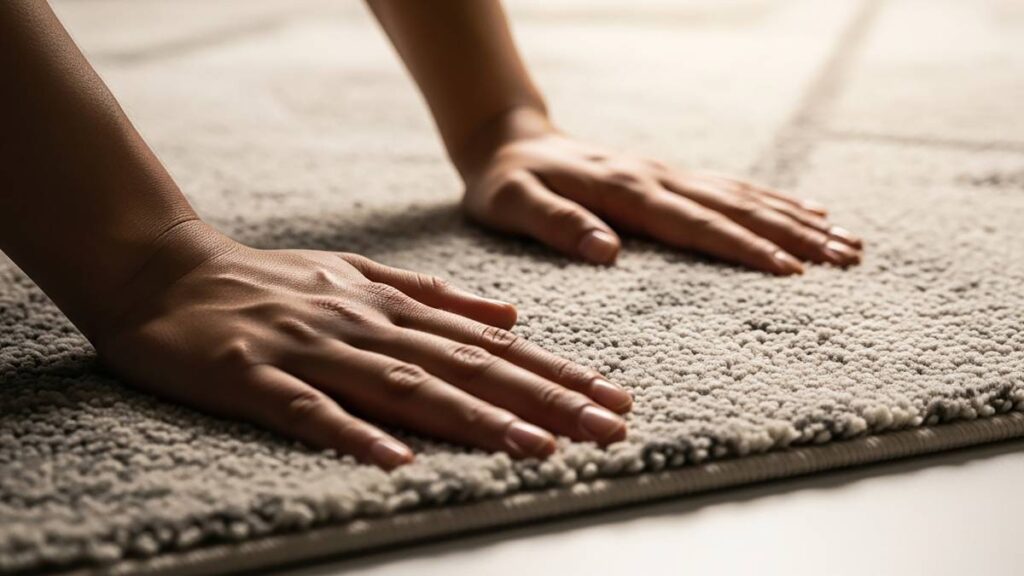
No one enjoys feeling insecure when walking on a rug that won’t stay put. The urge to stop rug slipping comes quickly after a near-fall on a living room runner.
Slippery rugs create hazards in busy homes, causing unwanted trips and frustration. They also disrupt the style and function of your space, demanding practical solutions everyone can apply.
Read ahead to discover proven strategies for fixing slippery rugs on your own. This article offers practical, step-by-step tips for anyone determined to stop rug slipping for good.
Choosing the Right Rug Backing Secures Your Safety Instantly
Picking an effective rug backing prevents shifting and truly helps you stop rug slipping. Not all backings are created equal—some work better for certain floor types or usage styles.
Before you install any anti-slip product, evaluate the texture of your flooring. Whether it’s hardwood, laminate, or tile impacts how you customize a solution to stop rug slipping today.
Gripper Pads for High-Traffic Spaces
Dense felt-rubber pads add friction beneath heavy traffic rugs. Look for versions cut to size to avoid overlapping edges that flip and defeat your goal to stop rug slipping.
In a home with kids darting from room to room, a thick pad with rubberized texture causes rugs to grip firmly—a must when wild play or running pets test every solution.
Once installed, test by pressing your foot on different areas. If the rug doesn’t budge, you’ve hit the right combination—feel the stability before trusting it for everyday safety.
Rug Tape Solutions and Placement Rules
Double-sided carpet tape creates a strong bond between rug and floor, perfect for securing runners and area rugs in low- to mid-traffic rooms. Start by thoroughly cleaning dust from both surfaces.
Peel, stick, and press sections firmly. Avoid loose corners—a common cause of slips—by taping all edges flat. Run your hand smoothly over edges to ensure every inch adheres tightly.
It’s smart to select adhesive tapes rated as residue-free to protect both hardwood floors and delicate finishes, keeping your home both safe and spotless as you stop rug slipping with confidence.
| Backing Type | Best For | Installation Step | Actionable Takeaway |
|---|---|---|---|
| Felt-Rubber Pad | High-Traffic Areas | Cut pad, position under rug | Use thick, dense versions for lasting grip |
| Double-Sided Tape | Hardwood or Tile | Stick along perimeter & corners | Press tape down fully for maximum hold |
| Latex Backings | Low-Moisture Rooms | Secure corners, test for slip | Ideal for light-use areas; avoid wet floors |
| Hook-and-Loop Strips | Runner Rugs | Sew or stick to rug/floor | Great for hallways—removable and reusable |
| Silicone Dots/Grippers | Small Rugs/Mats | Stick on bottom surface | Place at all four corners for stable mini rugs |
Applying Quick-Fixes to Stop Rug Slipping During Your Daily Routine
Simple daily tweaks can stop rug slipping until you find a permanent fix. Even towels and household objects offer temporary traction in a pinch.
Layer a folded sheet or old towel flat beneath a small rug, tucking edges underneath to prevent sudden slides—especially handy when new anti-slip supplies haven’t arrived yet.
Invest in Readymade Stop Rug Slipping Products
Placing a commercial non-slip underlayment can instantly remedy dangerous sliding, giving you time to implement a more permanent solution that matches your decor and use-case.
Readymade solutions are found at most hardware stores and cut to fit, providing a straightforward answer for renters wanting to stop rug slipping without damaging their floors or dealing with adhesives.
- Lay out rubberized rug pads for grip that lasts all day. These add gentle friction while leaving no marks, even on delicate hardwood or glossy finished floors.
- Apply removable sticky stickers at four corners. Use versions labeled ‘residue free’ to protect your floors and make reapplication simple whenever you wash your rug.
- Press reusable hook-and-loop (Velcro) dots under corners. The firm attachment means no curling or moving—ideal for keeping runners in place in hallways or kitchens.
- Fit a mesh underlay between rug and floor. The mesh enables airflow, minimizing mildew risk while creating an effective anti-slip layer every time you need to stop rug slipping on damp surfaces.
- Secure silicone-gripper patches to corners. These work well for bath mats and kitchen rugs, resisting water and humidity while gripping on nearly any surface you have at home.
Use these quick changes to immediately reduce slip risks as you prepare a bigger intervention for your home’s trickiest rugs.
Everyday Household Tactics for Slick Floors
Want to stop rug slipping right now with what you own? Leverage shelf liners or rubber jar openers by trimming them to rug size and stashing underneath as a makeshift pad.
This approach works surprisingly well on tile or linoleum, and you can easily wash these liners, pop them back in, and keep your makeshift grip fresh between cleanings.
- Reuse spare yoga mats: Cut to fit, and place under entryway rugs for crash-proof arrivals, even after wet walks or muddy paws.
- Deploy heavy books or weights at corners: Hidden beneath, the extra mass quietly prevents movement when foot traffic gets busier in the evenings.
- Stick down carpet tape in short strips: For an interim fix, tape every other edge. The cost-effective approach holds until you’re ready for a more elegant long-term pad.
- Protect with non-skid shelf liner: Layer under doormats or kitchen rugs. The texture is soft, washable, and gives good grip—ideal for renters or quick fixes in guest rooms.
- Swap slippery backing: Temporarily flip a rug to expose the nap above, reducing slick contact with floors—especially when vacuuming or rearranging in a rush.
Blending these household moves with longer-lasting products lets you stop rug slipping without any professional help or long waits for online deliveries.
Making Permanent Adjustments for Lasting Rug Security
Long-lasting solutions arise from matching backing to your home’s floor and lifestyle. Focus on a targeted modification to eliminate persistent dangers and stop rug slipping for years to come.
Correct installation, regular checking, and the right products mean peace of mind every day, whether you’re hosting family or simply strolling through your living space.
Sealing Rug Edges with DIY Glue and Caulking Methods
Apply inexpensive clear caulk or specialty rug glue in zigzag patterns along the back surface. Allow it to dry before returning the rug to its spot for instant traction upgrade.
This invisible barrier transforms any area rug into a non-slip version—especially valuable when custom sizes make store-bought pads impractical or unaffordable for larger rooms.
Touch up corners as needed after spills or cleanings to ensure you stop rug slipping every week. Check edges after vacuuming since heavy cleaning can sometimes peel glue from corners.
Switching to Rugs with Built-In Non-Slip Surfaces
Swap out high-risk rugs for modern options featuring latex, rubber, or textured synthetic backings. Most contemporary stores label these clearly—no need for extra stops or purchases.
Avoid vintage or heirloom pieces without grippy bases for highly traveled zones. Save those for areas where slipping is unlikely—use the right rug for the right place to truly stop rug slipping.
Coordinate color and pattern with existing decor while choosing safety, functionality, and aesthetics in one practical decision—making your home more enjoyable and secure for everyone.
Keeping Rugs Stable Without Expert Involvement
Fixing slippery rugs is within everyone’s reach—pick smart backings, try daily quick-fixes, and experiment with practical at-home tricks to confidently stop rug slipping everywhere.
Rug slips aren’t just a minor nuisance; they impact family safety, guest comfort, and your home’s overall style. If you address this today, you make each room more welcoming immediately.
Always choose the solution that best fits your lifestyle, traffic patterns, and existing décor. Stop rug slipping once and for all so your spaces feel safe, solid, and effortlessly comfortable.