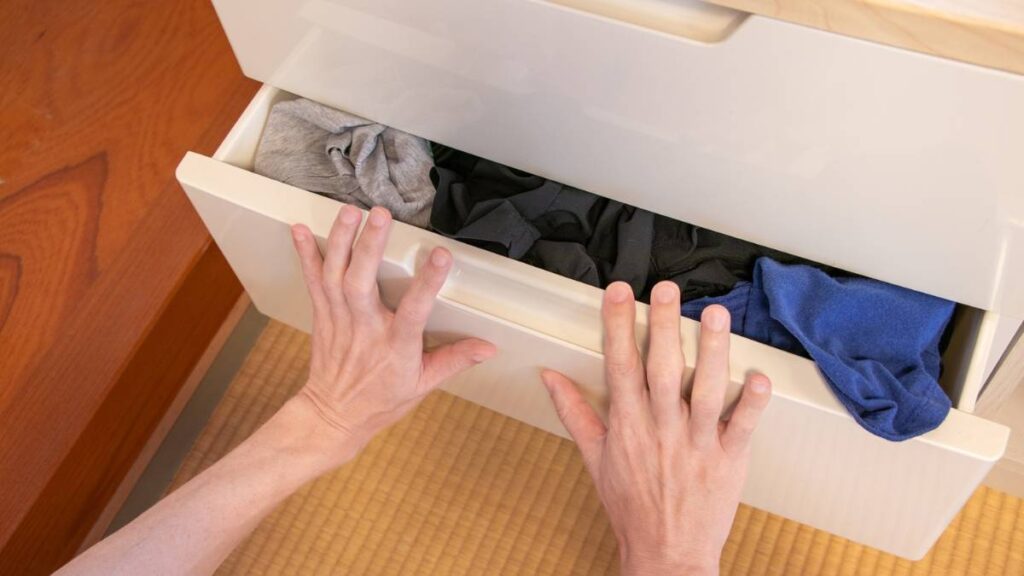
Struggling with a stuck drawer can turn a simple day upside down. Everyone faces it, yet few know the best fix jammed drawer tricks that truly protect their furniture.
Jammed drawers frustrate us and risk permanent damage if handled carelessly. Understanding targeted fixes saves money and keeps that beloved dresser or cabinet working as intended for years.
Explore this guide for step-by-step strategies, handy tools, and pro tips to fix jammed drawer issues—minus the chips, splits, or regrets. Relief is just a read away.
Pinpoint the Cause to Avoid Further Drawer Harm
Identifying why a drawer sticks sets the stage for a safe fix jammed drawer process. Skipping this step risks scratching interiors or even breaking the frame entirely.
Imagine a kitchen drawer stuck after a humid week—warped wood needs careful coaxing, not brute force, or the front panel might splinter right off.
Spot Visible and Hidden Blockages Instantly
Pull the drawer open as far as possible and shine a flashlight inside. Look for spilled items, lost utensils, or swollen wood blocking the runners.
Sometimes, a pencil fallen behind the drawer jams the entire slide. Use a coat hanger to sweep debris and prevent accidental damage while removing obstacles.
If you spot a small obstruction, use kitchen tongs instead of your bare hands; sharp objects can hide in clutter and cut fingers during the fix jammed drawer process.
Know When Moisture Changes Strike
Sudden swells in wood frequently trace back to shifts in room humidity or direct liquid exposure. Check drawer bottoms and sides for swelling, rippling, or sticky patches.
Pinch the wood gently along the edge; if the grain feels rough or raised, moisture is likely the culprit. Letting things dry out before further attempts prevents more swelling.
Use a hair dryer on low, waving it back and forth, to speed up drying. Stay a foot away from the surface, and never direct heat for more than a few seconds at a spot.
| Problem Source | Visible Signs | Action Needed | Next Steps |
|---|---|---|---|
| Debris | Items stuck, rattling sound | Remove contents | Check rails after clearing |
| Wood Swell | Drawer tight, rough grain | Let wood dry | Test with gentle pulls |
| Misaligned Track | Drawer moves unevenly | Inspect rails | Realign or tighten screws |
| Bent Hardware | Metal scraping, wobble | Straighten runner | Replace if damaged |
| Paint Build-Up | Sticky edges | Lightly sand surfaces | Lubricate after sanding |
Choose Safe Tools and Techniques for Effortless Release
Selecting the right fix jammed drawer tool prevents accidental gouges or cracks. Gentle pressure and basic household items often outperform heavy-duty options for everyday jams.
Picturing a jam like a tightly knotted shoelace highlights the value of patience—finesse always beats brute force for delicate parts and fancy handles.
Work With Soft and Firm Tools in Tandem
If extra leverage is needed, sandwich a small towel between the drawer front and your prying tool. This cushions wood, preventing surface marring during each attempt to fix jammed drawer hardware.
Wooden spatulas or plastic putty knives slip easily into tight gaps. Unlike metal tools, they minimize scratches on antique finishes and painted surfaces alike.
- Use plastic rulers as gentle levers—perfect for sliding beneath stuck edges while protecting finishes in the fix jammed drawer process.
- Wrap rubber bands around your grip points. This gives added grip without scuffing the drawer or knob surface.
- Wedge a folded cloth under the base of the drawer. This helps ease the bottom upward if weight is causing sagging.
- Secure painter’s tape along the frame before prying to safeguard built-in cabinetry from accidental nicks or paint chipping.
- Deploy a silicone spatula for gentle wiggles—great for freeing kitchen drawers that stick from spilled syrup or similar residue.
Choosing any of these keeps fix jammed drawer projects smooth and trouble-free, especially when speed matters.
Use Lubricants Thoughtfully for Easier Slides
Even well-maintained drawers eventually need lubricant for smooth action. Wax and dry lubricants reduce friction, making fix jammed drawer efforts more effective and longer-lasting.
Rub wax (like an old candle) along both rails and sides. If using spray lubricant, aim for a tiny burst, wiping off excess to dodge sticky build-up later.
- Apply paraffin wax in a thin sweep, focusing near the ends to encourage an even slide motion.
- Choose dry PTFE sprays for metal runners in office furniture—they prevent grime accumulation over time.
- Respread old bar soap for wood-on-wood drawers when wax isn’t available. The slip it provides rivals commercial lubricants for quick fix jammed drawer tasks.
- Layer lubricant only on contact zones, not the entire surface, for a targeted effect that avoids excess residue.
- Always open and close the drawer several times after lubricating. This spreads lubricant and ensures the fix jammed drawer method worked before reloading contents.
Dry lubricants and household waxes work best in homes with pets or kids, reducing mess while securing smooth movement for months.
Apply Gentle Removal Steps for Stubborn Sticking Points
Step-by-step gentle actions protect drawer parts during any fix jammed drawer challenge, especially with old or ornate pieces that can’t be replaced easily or cheaply.
Break removal down into short moves, checking resistance after each step. This patience helps avoid the snap or crack that marks a permanently damaged drawer.
Follow a No-Force Removal Sequence
Start by sliding a spatula or plastic putty knife along the stuck edge. Gently wiggle it free, working slowly to loosen points of tension.
Once loosened, switch hands and alternate gentle tugs from the opposite side. Picture the process like wriggling a ring off a swollen finger—inching along works wonders.
If the drawer remains stuck, grip both sides and gently shift the drawer up and down while pulling outward—tiny motions break micro-contact between wood and frame, freeing the jam without cracking panels.
Check Alignment Before Full Extraction
Sometimes the back of the drawer tilts and jams inside warped cabinetry. With one hand supporting the underside, encourage realignment by pressing slightly upward while pulling forward.
If resistance lessens, the drawer can typically slide out safely along the original rails. Avoid rocking too hard—excess motion can stress glue joints or loosen dovetails.
If realignment doesn’t solve it, stop and twist the drawer gently side-to-side while pulling—this technique works on stuck modern runners and vintage wood slides alike.
Maintain Drawer Smoothness and Prevent Recurring Jams Naturally
Routine maintenance turns the fix jammed drawer process into a rare event. Ongoing care preserves furniture function and stops jammed moments before they even begin.
A regular schedule mimics oiling a squeaky door hinge—invest a few minutes now for years of hassle-free access.
- Clear out drawer clutter monthly; excess weight or oddly-shaped objects sabotage smooth sliding after just a few weeks.
- Blow compressed air along drawer slides to eject fine grit that invites future binds.
- Reapply wax every six months if drawers live near kitchens or bathrooms where condensation builds more rapidly.
- Tighten all screws inside the frame and along rails—loose hardware shifts alignment and magnifies adhesions during season changes.
- Rotate drawers between cabinets if sizing allows. This spreads wear and discourages any single slide from deteriorating too soon.
Address Drawer Deformation: Realigning and Repairing Sagging Parts
Restoring a warped or sagging drawer reverses fix jammed drawer headaches and prolongs the life of valuable woodwork. Solutions range from basic reinforcement to realignment with simple household supplies.
A warped drawer bottom often reveals itself as a gap along the frame or a visible slant when pulled halfway out. This issue stems from excessive loading, water damage, or humid environments where wooden fibers loosen.
Tackle a Bowed Drawer Bottom Step-by-Step
First, remove all contents to lighten the load, then inspect under the drawer for any separating wood or buckled panels.
Reinforce sagging by sliding a thin plywood sheet or rigid cardboard under the original base, tucking it midway from the rear for extra support during sliding.
For more permanent fixes, apply wood glue along the seams and clamp the drawer overnight, ensuring the repair holds under future use.
Level Out Misaligned Drawer Sides
If one side appears lower or shifted, check for missing screws at runner connections. Replace them, using a pilot hole to prevent splitting vintage wood.
Shim crooked tracks with matchsticks or toothpicks coated in glue, returning the rail to ideal height. This corrects tilt without dismantling the entire unit, keeping the fix jammed drawer process simple.
Gently sand rough side edges if swelling caused uneven heights, creating a smooth sliding plane and preventing the wood from catching on rails.
Keep Drawers Operating Like New Year-Round
Long-term drawer performance depends on two behaviors: routine lubrication and striking a clutter balance. Give drawers seasonal checkups to sidestep the need to fix jammed drawer emergencies.
Regularly clean slides and remove excess wax before new applications. Treat sticky moments as a sign to pause and check for root causes, not just force the problem open.
- Dust rail systems with a dry brush before lubricating; debris restricts motion and creates friction zones where jams start.
- Weigh heavy contents before restoring order—lighter drawers slide better and don’t compress the base or sides out of shape.
- Add moisture absorbers in humid rooms. This guards against the subtle warping that sets off recurring fix jammed drawer issues.
- Observe slides weekly if kids use the drawers; monitor for rough handling or toy buildup, which signals a need for earlier attention.
- Set a digital reminder for six-month checkups. Prevention sidesteps stress and guarantees that quick fixes remain truly quick.
Bringing All the Fixes Together for Jam-Free Living
Simple observations and targeted, gentle techniques turn fix jammed drawer frustrations into one-time blips, not constant annoyances. Each tip helps extend both drawer life and your patience.
This fix jammed drawer approach reaches well beyond first aid. Consistent care, the right tools, and a little preventive spirit stop small issues from snowballing into disasters.
Armed with these insights, you’ll keep furniture moving smoothly and eliminate jams from your daily routine. Enjoy every effortless slide—your drawers are safe in your hands.