Waking up to a fully packed schedule, you dash out with coffee and car keys in hand. Making time for dental care feels like a puzzle you never quite solve. Yet, skipping steps leads to a bigger challenge: dental discomfort that interrupts your grind.
Efficient dental care isn’t just about fresh breath. It’s about showing up at work, meetings, or school feeling clean and confident enough to smile without a second thought. Neglecting this micro skill makes that impossible.
This article serves as your easy guide to practical, high-impact dental care skills. Discover quick fixes, troubleshoot common issues, and build effective routines. Adopt these micro lifestyle adjustments to protect your teeth, fit oral hygiene into any day, and keep your smile in check.
Dentist-Approved Habits That Fit Fast Lifestyles
Grabbing reliable dental care habits helps busy people sidestep cavities, bad breath, and unexpected oral emergencies. Each skill below works seamlessly into packed schedules and stressful mornings.
Most rushed routines leave gaps, like skipping flossing or washing away breakfast in a hurry. Yet, with the right mindset and gear, you can sidestep those pitfalls and keep your teeth resilient from day to night.
Start Your Morning with a 2-Minute Mouth Detox
When you wake up, your mouth contains more bacteria than any other time of day. A quick rinse with water helps knock it down before brushing. As you brush, move in gentle circles. Cut straight across the gumline for 30 seconds per side, top and bottom, with a fluoride toothpaste. The goal: remove plaque pockets without irritating tissue.
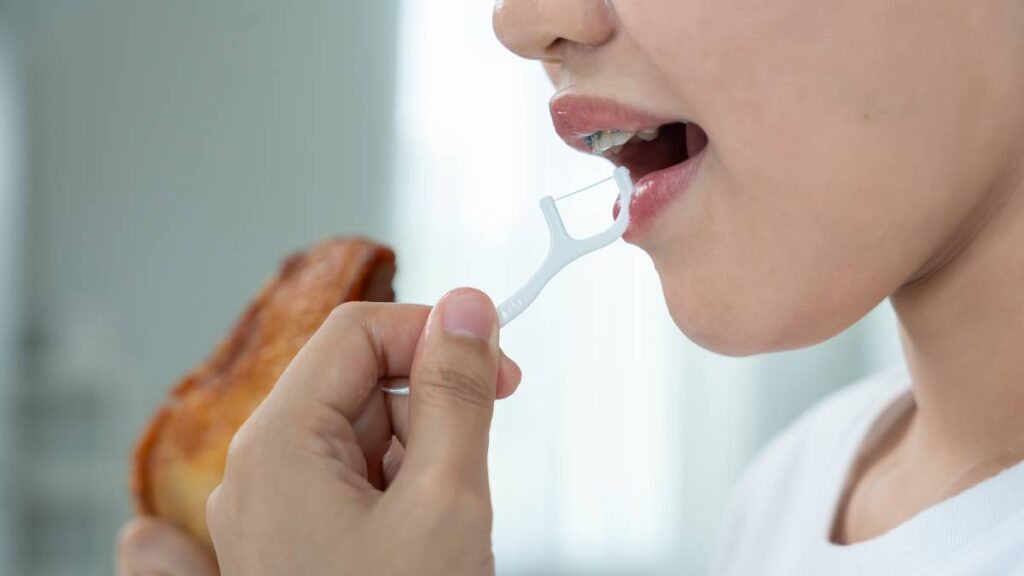
Instead of a full floss, fold a single string into a “U” shape, slide gently between teeth, and hug each tooth’s base. This removes the breakfast debris that triggers decay even when you’re multitasking. Commit to two focused minutes.
It’s easy to brush roughly or too quickly, thinking you’re saving time. But using small, precise motions for just two minutes is clinically more effective. To make it routine, set a phone alarm or place your toothbrush beside your keys each night as a reminder.
Pocket-Friendly Gear for Dental Care on the Go
Busy lifestyles call for portable tools. Mini-brushes, travel flossers, or single-use mouthwash packs slide into bags or pockets. When delays stretch between meals and meetings, you’ll be glad to have them close.
Pick soft-bristled brushes—stiff bristles damage enamel fast. Look for discrete packaging and snap-on caps. Squeeze toothpaste into a small travel tube or buy a few tooth wipes for emergencies. Keeping these visible in your bag creates easy reminders to care for your teeth, anywhere.
Analogous to carrying hand sanitizer, a portable kit for dental care helps you stay prepared when schedules get unpredictable. A quick swish of mouthwash between calls means you maintain fresh breath all day long.
| Tool | When to Use | Pros | Quick Takeaway |
|---|---|---|---|
| Travel Toothbrush | After meals or coffee | Lightweight, reusable | Keep one in your work bag to cut stains and breath issues midday. |
| Disposable Tooth Wipes | Quick freshen-up, no water needed | Fast, no setup | Great for surprise lunches or extended road trips. |
| Mini Floss Picks | After snacks, meetings | No mess, fits in wallet | Instantly dislodge particles stuck between teeth during busy periods. |
| Single-Use Mouthwash Sip | Before meetings, after eating | Fresh breath, antibacterial | Keep a sachet with you for high-stakes social moments or long afternoons. |
| Chewing Gum with Xylitol | When you can’t brush | Stimulates saliva, curbs sugar acid | Chew for five minutes after any snack to maintain a healthy mouth. |
Time-Smart Oral Hygiene for Lunch and Beyond
Building agile dental care routines keeps your mouth protected—whether you’re grabbing takeout, snacking, or stuck in traffic. Planning ahead makes every meal less risky for oral health, even on days with zero downtime.
Midday routines can transform your dental health. Instead of missing brushing or flossing after lunch, micro habits bridge the gap until you’re next home.
Micro Habits for Clean Teeth Throughout the Workday
Leave a folding toothbrush and toothpaste tube in your desk drawer or car console. That way, you can duck away after lunch for a minute-long brush. Opt for water when you can’t brush—simply swish and spit in the restroom sink to clear out stuck bits.
- Brush after coffee to prevent stains and stubborn film, ensuring a whiter smile by week’s end.
- Carry a single string of floss in a wallet pocket; use it after lunch in the restroom for instant plaque removal and fresher breath.
- Chew sugar-free gum during meetings when you can’t leave; it triggers saliva, reducing cavity risk.
- Drink plenty of water, especially after sipping juice or sugary drinks, to flush acids and keep enamel stable.
- Rinse briefly with a mild mouthwash before afternoon calls if brushing isn’t possible, to clear lingering odors and bacteria.
Setting reminders for a quick rinse or brush after lunch becomes second nature—like setting a calendar alert. These micro steps go a long way toward lifelong dental care strength.
When Snacks Sneak Up: Immediate Cleanliness Tactics
Between-meal cravings are hard to avoid. Having a strategy for these moments means your dental care doesn’t suffer. Keep a stash of xylitol gum at hand; pop a piece after any snack without skipping a beat.
- Snack on raw veggies or a handful of nuts, instead of chips, to reduce sticky debris and support gum health.
- After sugary food, drink half a bottle of water slowly. This dilutes acid and helps protect from enamel erosion on the go.
- If you eat seeds or popcorn, check teeth with a compact mirror for sneaky fragments. Use a mini floss stick discreetly to remove them.
- Keep toothpicks in your laptop bag, but use them softly to avoid gum injury—quick clean, minimal risk.
- Limit dried fruit as it clings to teeth; swap it for fresh apple slices, which clean as you chew.
Building this snack strategy is easier with repetition. Sticky situations call for consistent mini fixes to maintain healthy teeth, even when choices seem limited.
Maintaining Nighttime Dental Stability under Pressure
Even on exhausting nights, sticking to basic dental care recharges your mouth for the next day. A short, intentional sequence at bedtime pays massive dividends in oral health and comfort.
Think of this like setting an alarm: skipping it disrupts the next day, but perfecting it barely takes effort. Hit these crucial steps before sleep.
Bedtime Routine That Doesn’t Sacrifice Results
Spend ninety seconds brushing, angling the bristles toward the gumline and following the outer, inner, and chewing surfaces. Use light pressure; too much wears down enamel. Wrap up with a gentle floss, cleaning below the gum edge for each tooth. Follow up by rinsing with a non-alcohol mouthwash. These three steps—brush, floss, rinse—lock in protection overnight.
Lay out your toothbrush and floss beside your pillow or phone charger as a visual cue. That way, even on your most chaotic days, you’re far less likely to skip a night. One missed night of dental care snowballs into trouble—resist that temptation.
Remember: oral bacteria are most active in the hours you spend sleeping. Removing food and sugar residue at bedtime means you start tomorrow fresher, healthier, and less prone to surprises at your next dental checkup.
What if You Forget? Quick Reset Tricks
If you collapse into bed and remember midway that you skipped brushing, don’t stress—but do a single mouth rinse with water. Then, make a deal with yourself: brush and floss as soon as you wake up. Leave dental care tools visible and ready for action the next morning.
Occasional missed routines happen. The key is bouncing back fast, not letting guilt build up. Use a tracking app or put a sticky note beside your bedside lamp as a final reminder. Consistency is about the rebound, not perfection.
Everyone faces late nights and fatigue, but repairing a single slip takes only minutes. Small resets are part of smart dental care—no need for all-or-nothing thinking. Prioritize getting back to basics with your very next opportunity.
Travel Strategies to Preserve Dental Health Away from Home
Traveling throws routines upside-down, but lightweight planning keeps dental care strong anywhere. Whether you’re crossing time zones or facing long commutes, prepping in advance is your best defense.
Secure a compact kit that fits perfectly in your carry-on, briefcase, or car. Key tools ensure you’re never without support, from meetings to hotels and every stop in between.
Essential Packing for Movable Oral Hygiene
Fill a quart-sized zipper bag with a folding brush, travel toothpaste, floss picks, a small tube of mouthwash, and a few xylitol gum packs. This setup clears any airport security and lets you adapt to all travel scenarios.
Before departure, brush and floss as usual. Aim to refresh after meals on the road using bottled water and your compact tools. Wipe down reusable items before repacking to avoid bacteria buildup in closed bags. Even airplane restrooms accommodate quick rinses and brushing, so plan on maintaining this mini routine wherever you land.
Use gum or mouthwash sips on delays or long rides. This ensures dental care continues even without a sink or much privacy—perfect for roadside stops or busy train platforms. Anticipate time zone changes by packing one kit per bag so you never leave supplies behind.
Troubleshooting Dental Issues While Traveling
If you notice pain, bleeding gums, or break a piece of dental work, act quickly. Clean the area with bottled water and avoid sharp or sticky foods. Use over-the-counter pain relief if discomfort lingers, and seek a pharmacy or local dentist if signs worsen.
For lost fillings or crowns, cover the site with dental wax or sugarless gum to protect against temperature extremes and further damage. Write details of any symptoms and the actions you took for reference at your next checkup.
Move any makeshift repair gently and avoid chewing on the affected side. If you wear retainers or aligners, clean them frequently using cool water and a soft brush. Staying proactive on the road preserves comfort and prevents bigger problems until you reach home.
Morning Strategies for Busy Households
Fast-paced homes benefit from streamlined dental care routines tailored to everyone—from adults heading to work, to kids prepping for school. Mornings run smoother when everyone has a plan that leaves nothing forgotten.
Lay out dental supplies the night before, so each family member can find what they need even if they’re sleepy. Sharing space means keeping the sink tidy and tools accessible. Assign specific brushes, floss, and toothpaste to marked holders or labeled baskets.
Get Kids Engaged in Dental Care in Sixty Seconds
Turn brushing and flossing into quick, interactive games. Start a two-minute timer—try a favorite song or a cartoon dance. Award points for thorough brushing, covering every surface. Use colored mouthwash to show “hidden plaque monsters.”
Place visual charts or sticker rewards on the bathroom mirror, motivating children to complete their steps daily. A shared high-five marks finishing the micro-routine. Making dental care fun ensures participation, even on jam-packed weekday mornings.
For older kids, introduce single-use flossers and compact mouthwash for their backpacks. These tools give added independence while keeping hygiene standards strong through school and sports activities.
Tag-Team Mornings without Skipping a Beat
Rotate turns at the sink, using a kitchen timer to avoid morning bottlenecks. Encourage each person to pack their portable kit for the day, including a travel-size mouthwash and disposable brush. Let the person who finishes fastest start breakfast prep.
If running late, substitute a thorough water rinse and sugar-free gum, marking the calendar to rebalance with extra attention at night. Each family member learns to value the micro habits ensuring lasting dental care.
Avoid blame or shaming, as this undermines the positive cycle. Instead, celebrate routines completed together—proof that even a crowded house can achieve healthy smiles every day.
Reset and Protect When You Can’t Brush Immediately
Snacking on the road or skipping a brush after lunch shouldn’t set back your dental care. Fast-acting resets keep your mouth clean until you can reach a sink. Adopt these protective steps to bridge the gap between full routines.
Swishing with tap water for twenty seconds after sticky foods clears away particles and sugar. Replace soda or juice with water, especially after meals, to neutralize acids and strengthen protective enamel layers. Carry single-serving mouthwash for quick, effective freshness in social situations.
- Keep a travel-size rinse in your bag and use after every meal if brushing isn’t possible. This prevents plaque buildup and reduces chances of gum irritation or decay.
- Chew xylitol gum after sticky snacks to stimulate saliva and clear sugars, protecting enamel during snack-heavy days or while traveling between meetings.
- If you smoke or use tobacco, rinse immediately afterward and brush as soon as feasible to curtail stain and bacteria buildup. Substitute tobacco breaks with oral hygiene routines for double health gains.
- Set phone reminders for periodic water sips, which hydrate and rinse the mouth—key for anyone with dry mouth or on long work shifts without food breaks.
- Choose snack bars with whole nuts over gooey varieties; they leave less sticky residue behind, making in-between brushing less of a choke point for dental care maintenance.
Building these backup micro-habits ensures your dental care stays on track through busy spells, travel, and the unpredictable events that define your days.
Conclusion: Keeping Smiles Strong, Every Day
Small, repeatable dental care skills bridge the gap between daily chaos and lasting oral health. Tools and routines tailored for on-the-go living make healthy smiles more attainable. It’s all about reliable micro actions, not all-day rituals.
Embracing dental care doesn’t require extra time—just a toolkit and some smart prompts. Remember, resilience comes from consistency with micro tasks. Return to your basics whenever routines unravel, and progress will follow naturally.
Your commitment to these micro steps will keep your teeth stronger, your breath fresher, and your confidence boosted in every situation life throws your way. Practicing these skills today makes dental care feel easier—for every busy tomorrow.
Frequently Asked Questions
What’s the most critical dental care habit to never skip? Brushing thoroughly before bed is key, as nighttime bacteria growth increases cavity risks. Make this the anchor of your daily dental care, even if mornings feel rushed.
If I forget to floss, what’s a quick backup plan? Swishing with water or chewing xylitol gum after meals helps remove loose debris and stimulates saliva, offering some protection until you can floss properly at the next opportunity.
Are dental care wipes or disposable brushes as effective as regular brushing? Dental wipes and disposable brushes provide a temporary clean and fresh breath. However, regular brushing with fluoride toothpaste and flossing remain essential for complete oral hygiene in your daily routine.
How does diet influence dental care on busy days? Sticky, sugary snacks increase plaque and acid production. Replacing these with raw veggies, nuts, or cheese and following up with water or gum protects enamel even without immediate brushing access.
What’s the best way to encourage kids’ dental care when mornings are hectic? Use visual reminders, timers, and mini rewards. Keep supplies accessible. Fun games, like playing a toothbrushing song, make routines easier for children to remember and complete, even during fast-paced mornings.