Unexpected hiccups can disrupt even the most thought-out plans, whether you’re at home or on the move. Including a first aid kit in your daily essentials can be a game changer if you value readiness. This micro lifestyle skill puts preparedness right in your pocket.
Personal care emergencies—small cuts, a split nail, or skin irritation—never send a calendar invite. Having tailored care at hand isn’t just convenient; it’s a practical approach to daily wellness. Think of it as insurance for your body’s little surprises.
If you’ve ever wished for a quick fix right as you needed it most, this article highlights why a compact first aid kit fits seamlessly into your routine. Discover simple strategies and take away actionable skills throughout each section.
Packing Your Personal Emergency Arsenal: Choose Only What Works
Readers finish this section knowing what specific tools truly deserve a place in their compact first aid kit. The right choices spare you excess weight and prepare you for real daily annoyances.
Instead of cramming every aisle find into your pouch, ask yourself, “What personal needs pop up most at work, in the car, or on a hike?” Pack for likely scenarios, not fantasy disasters.
Tiny Tools That Tackle Big Annoyances
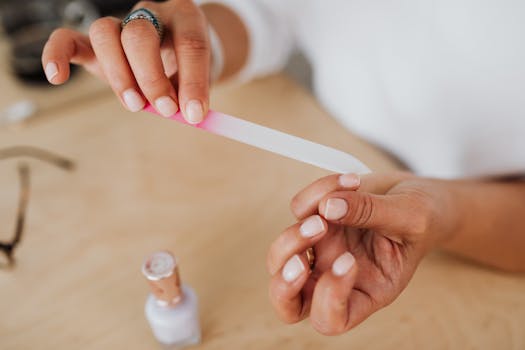
A mini nail file isn’t just a luxury—it prevents snags from turning into painful splits. Add a few quality adhesive bandages and tweezers to catch hangnails or stray splinters. They’re worth their weight in uninterrupted comfort.
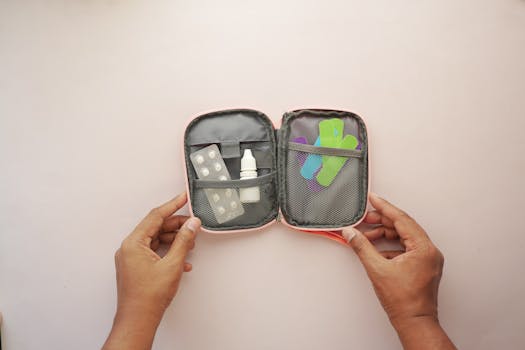
Roll-on antiseptic is a swift solution for small scrapes and cuts. Compared to a bulky tube, a pen-sized option delivers fast dabbing without mess. Small scissors or cuticle nippers complete most personal fixes before they escalate into bigger problems.
Think of a compact first aid kit as your everyday problem solver. When you quietly snip a loose thread or clean a cut at your desk, you’re using micro skills that keep you sharp and protected.
Pocket-Size Restock Rules
Name each kit item a day you use it. If a bandage sat untouched for months, swap it for something lighter. This keeps your first aid kit agile and relevant.
Every 30 days, check for expired ointments and replenish supplies you used the past week—no extra shopping trips required when you set a recurring reminder. Done regularly, your first aid kit never gets stale or neglected.
Think of this ritual like changing a toothbrush or refilling lip balm. The habit is small but the benefit stacks up—fresh tools ready for any setback on your micro lifestyle journey.
| Item | Purpose | Size | Why Keep It? |
|---|---|---|---|
| Mini Bandages | Cover small cuts or blisters | Very compact | Handles everyday nicks quickly |
| Single-Use Wipe | Clean hands or wounds | Flat packet | Zero leakage and always fresh |
| Roll-On Antiseptic | Disinfects minor scrapes | Pen-sized | Fast, targeted first line defense |
| Mini Nail File | Smooths snags | Credit card size | Prevents splits and irritation |
| Tweezers | Handle splinters or stray hairs | Pocket length | Precision tool for daily fixes |
Personalize Your Kit: Adapt for Your Lifestyle
Customizing the contents of your first aid kit creates a smoother daily experience. Your kit should serve your unique routine, activities, and personal needs, not someone else’s checklist.
One person’s day could run from subway sprints to early yoga, while another juggles school pickups and late-night deadlines. What you pack should feel tailor-made to your real-world emergencies.
Modular Design for Real Life
Imagine saying, “This kit works when I’m at the gym and during long flights.” Start with a base set of basics and swap add-ons for special situations like allergies or skin sensitivities.
- Add instant cold packs for recurring sprains. These help reduce swelling fast after accidental twists and strains while commuting or running errands.
- Include hypoallergenic tape for sports or sensitive skin days. This tape won’t leave marks or cause redness, making it practical for repeated use.
- Keep a tiny tube of SPF balm when you’re out in the sun regularly. Swipe across sensitive skin for last-minute protection during outdoor meetings or lunch breaks.
- Choose mini burn gel packets if you cook or style hair daily. These offer rapid relief the moment you brush a hot burner or curling iron.
- Edge in allergy relief tablets if pollen or pet dander often disrupts plans. Fast access helps you focus and recover instead of scrambling.
Test your kit’s mix for a week. Adjust contents as your routine shifts—streamlining your micro skills while personalizing for comfort and care.
Day-to-Night Care: What to Add for Extended Hours
Anyone balancing day jobs with after-hours adventures benefits from a kit that adapts. Think about dusk-to-dawn needs: maybe a backup contact lens case or stain remover pen after dinner meetings.
- Pack gentle eye drops for long screen sessions. Moisturize eyes to avoid discomfort and boost focus at work or late-night study.
- Slip in a stain remover pen for on-the-go wardrobe fixes. It quickly cleans up lunch leaks or coffee spills, saving time and confidence.
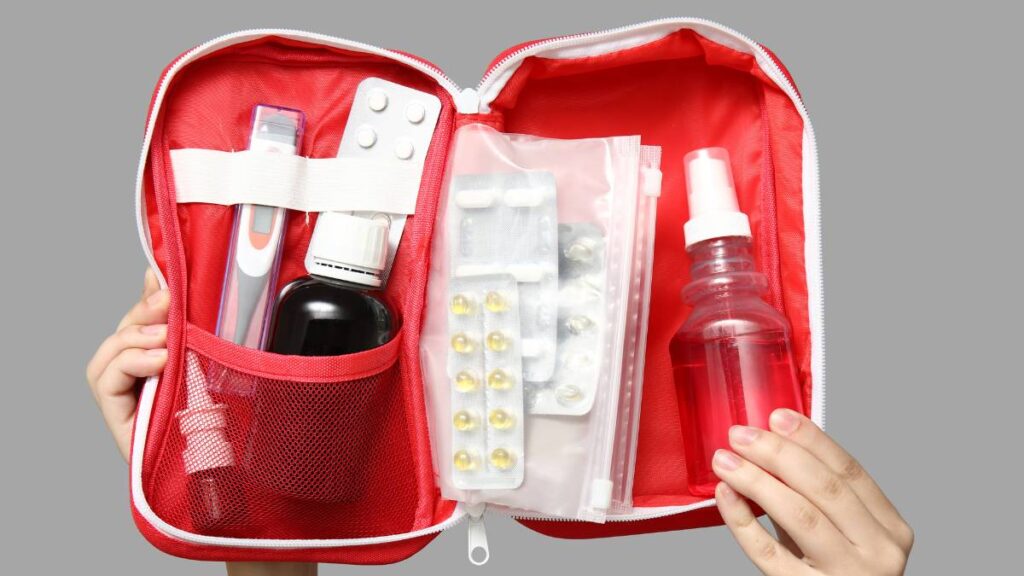
- Bring single-dose pain relievers. Relieve unexpected tension headaches or cramps discreetly—essential micro relief when you need to keep going.
- Store foldable floss picks. Handle food stuck while discreetly smiling with coworkers or friends.
- Include a mini lint roller or deodorant swipe. Present yourself clean and fresh after commutes or in-between meetings—staying poised matters just as much as feeling prepared.
This flexible strategy ensures your kit works whether you step out for errands or transition from the office to evening plans. Add or remove items as needed for your lifestyle.
Safe and Streamlined: Making Your Kit Easy to Use
Every well-packed first aid kit becomes more valuable when it’s intuitive and simple to access during personal emergencies. Streamline setup for instant action in real moments.
Arrange must-haves at the top layer—bandages, antiseptic, and a nail file out front, not buried. If you can open and use every item in less than 30 seconds, your system is working.
One-Minute Access Setup
Avoid packing items too tightly; this leads to fumbling or accidental spillage. Place each item in a designated, separate sleeve or zipper compartment for one-handed reach-in action.
Use a see-through pouch or label sections by purpose, such as “skin,” “pain relief,” or “tools.” These tiny changes cut stress and help you act decisively when every second counts.
Test your organization every week: take the pouch from your bag, lay it open, and see how quickly you can find each tool. Adjust until it’s effortless and repeatable.
Practice Calm Action Steps
When you nick your finger on the way to an interview, reach for your first aid kit calmly. Use slow, measured breaths while opening your pouch and taking out the right item.
By rehearsing real scenarios at home—like “Cut, clean, cover in one minute”—you’ll become instinctive and cool-headed no matter where you are. This skill pays off during tense moments.
Your micro lifestyle skill grows by practicing small, repeatable habits. If something feels complicated or slow, edit your kit until usage feels like second nature.
Keep It Clean: Hygiene Upgrades for Personal First-Aid
Focusing on hygiene upgrades in your compact first aid kit leads to safer, more effective care during daily emergencies. Simple tweaks turn basic kits into personal health protectors.
Add fresh, single-use alcohol wipes rather than a shared sanitizer bottle. These limit contamination and allow thorough cleaning whether you’re at home, in transit, or in public spaces.
Upgrade All Contact Items
Switch ordinary cotton swabs for individually wrapped, sterile ones. This practice guards against accidental transfer of bacteria or dirt when cleaning minor cuts, treating blemishes, or removing debris.
Replace reusable cloth bandages with non-stick, breathable types. These stay sanitary, reduce irritation, and heal faster—especially helpful if you’re often outside or on your feet all day.
Reserve small adhesive patches for minor but persistent skin areas—corns, calluses, or blisters from shoes. They shield exposed spots from germs and friction, promoting faster recovery and confidence on the go.
Smart Refill Cycles
Set a routine to replace perishables every two months. Write a calendar reminder or attach a sticky note to your kit as an easy prompt.
Discard any items that appear discolored or have expired. Lingering products lose efficacy and could risk infection. Keeping things current ensures your first aid kit delivers safe care instantly.
Train yourself to visually scan your kit’s contents once a month. Restocking only takes a few minutes, but the payoff is healthier skin and reliable micro skills day after day.
Stay Mobile: Lightweight Kits for Any Physical Routine
Crafting a mobile first aid kit lets you respond to personal emergencies anywhere—at the gym, walking your dog, or working late on the go. Prioritize items that maximize impact but minimize weight and space.
Opt for containers close to your favorite pen shape or slim wallet. A pouch that stands upright in any bag means your supplies won’t get trampled or lost amid bigger items.
Quick Pack-Down Rule
If a tool rarely gets used or is too bulky, swap it for a lighter alternative. Record what you actually reach for in one average week. Your compact first aid kit becomes leaner and more effective.
Choose multi-use items where possible. For example, foldable scissors that double as bottle openers are great next-step upgrades for minimalists. This micro skill cuts clutter without sacrificing function.
Test your kit’s portability by transferring it between bags, cars, and coat pockets. If the kit is cumbersome in everyday life, rethink the design for more comfort and convenience.
Effortless Upkeep for Every Routine
After each outing, check your kit for missing items. Replace used supplies before heading out the next day—it’s as fast as refilling a water bottle.
Adopt a two-minute end-of-the-week review. Jot down what needs topping up, then restock before the kit leaves your front door. Consistency builds reliability into your daily wellness habit.
Your skills sharpen as you refine your micro-level routines. Enjoy peace of mind knowing you can handle small emergencies confidently, wherever life leads.
Quick Response Micro Skills: Handling Personal Emergencies
Knowing the exact sequence of steps for a specific personal emergency maximizes the utility of any first aid kit. Micro skills turn ordinary supplies into extraordinary peace of mind.
Fast-Track Care for Skin
Picture a papercut just before handling important paperwork. Wipe the wound, dry the skin, cover with a flexible bandage, and use a nail file or tissue to tidy frayed edges. Say, “I handle this small fix before it gets worse.”
Apply a dab of ointment for soothing relief. Friction from work tools eases as micropore tape keeps things sealed while you type, text, or shake hands. The micro skill: treat instantly, move forward seamlessly.
Practicing fast, calm action removes hesitation. It’s as if your first aid kit becomes a favorite jacket—always within reach, performing exactly when you need it without fuss.
Dealing with Nail Mishaps
Midday broken nail? Pull out the travel nail file and shape away the snag in seconds before it catches again. A mini bandage keeps splits protected if they’re deep—all from your kit.
Consider a small cuticle stick for gentle cleanup. Glide it smoothly to remove splinters or excess skin, then sanitize the area. The micro skill here is knowing which tool to grab without pausing from your daily flow.
This stepwise response keeps you unphased by personal care emergencies. With practice, your skills feel as automatic as tying shoelaces, all powered by a thoughtful first aid kit.
FAQs
What’s the best way to pack a compact first aid kit so it stays organized?
Layer flat items like individual wipes and bandages at the front, then group tools like tweezers and files in a zip compartment. Check access by seeing if you can find everything in under 30 seconds.
How do I keep my first aid kit hygienic for repeat use?
Choose single-use wipes and replace perishables every two months. Mark your calendar for a quick monthly scan and swap out expired items as you refill essentials each week.
What items should absolutely go in a personal care first aid kit for daily life?
Your kit only needs to cover what’s likely: bandages, antiseptic, a nail file, tweezers, a pain reliever, and one or two add-ons tailored to your skin or routine.
What’s the simplest way to personalize a kit for travel or daily commutes?
Start with a baseline of daily-use items, then add one or two lightweight extras—like SPF balm or allergy relief—before you leave for specific trips or changing seasons.
How can I turn kit preparation and use into a micro lifestyle skill?
Use a five-minute Sunday check to restock and reorganize. Practice opening and applying items so using your first aid kit feels as routine as grabbing your keys before heading out.