You reach for a belt daily, but picking the right one can instantly upgrade or undermine any outfit. Subtle or bold, this small accessory pulls versatile belt styling together.
Belt choices shape an impression whether off-duty or at a presentation. Versatile belt styling matters for both form and function, quietly making wardrobe decisions easier every day.
This guide shows exactly where, how, and why to use belts to maximize your closet. Discover practical tips on fabric, buckles, and styling scenarios throughout each section.
Applying Belt Basics for Smooth Everyday Transitions
Adding a belt should feel as intuitive as choosing shoes. Focus on matching color and width to daily outfits for seamless, versatile belt styling.
Most people glance down, thinking, “Does this leather brown belt work with these navy slacks?” That question sets up the versatile belt styling foundation you’ll use all week.
Identifying Reliable Belt Materials and Typical Uses
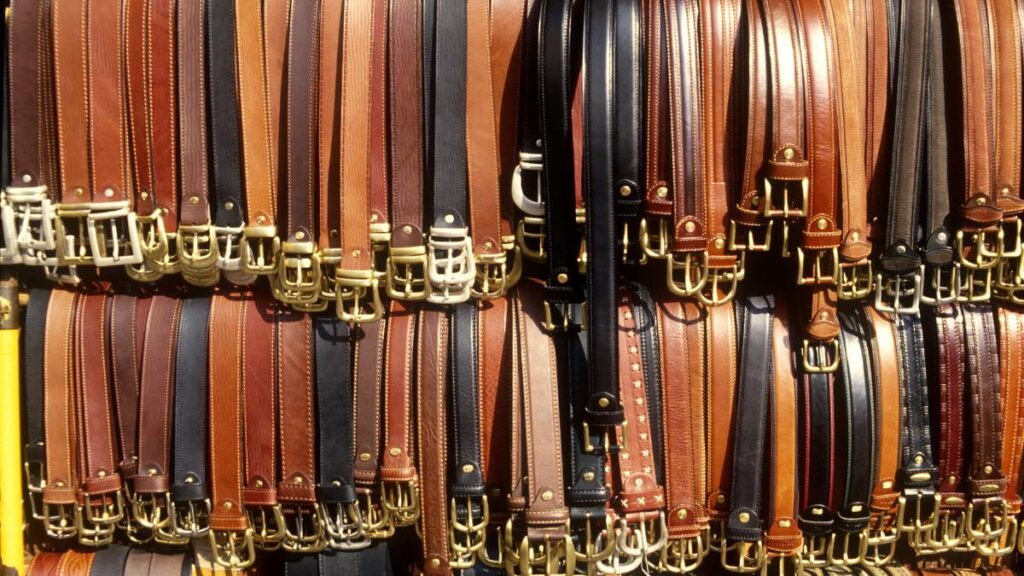
Genuine leather sits at the top for durability, natural look, and easy pairing. A full-grain leather belt transitions effortlessly between jeans and business chinos.
For lighter occasions, woven or canvas belts flex with chinos, shorts, or smart casual fits. These styles deliver comfort with a laid-back edge, ideal for summer wardrobes.
Synthetic belts often withstand water and sport situations, perfect for travel or unpredictable weather. Think athletic commutes, outdoor weekends, or fast-paced errands.
Getting Belt Width Right for Comfortable Outfits
Belt width makes a visible difference: a 1.5-inch wide leather belt anchors denim, while a subtle 1-inch design fits dress pants cleanly for classic styling.
Pair wider options with jeans or oversized garments, adding intentional contrast or a sturdy touch. Slim-widths float under untucked shirts, supporting light structure without bulk.
Testing different widths at home brings clarity—mirror cues make style rules easy to build, all driven by convenient, versatile belt styling foregrounding your look.
| Belt Type | Ideal Outfit | Typical Width | Takeaway Action |
|---|---|---|---|
| Full-grain Leather | Business, Jeans | 1-1.5 inches | Choose for daily versatility and long-term use |
| Woven Fabric | Boating, Casual | 1-1.25 inches | Pick for flexible sizing and summer wear |
| Suede | Layered Outfits | 1 inch | Use for texture and earthy color accents |
| Synthetic/Rubber | Sport, Travel | 1.25 inches | Pack when conditions are unpredictable |
| Dress Leather | Formal Suits | 0.75-1 inch | Reserve for sharp, professional moments |
Building Wardrobe Flexibility with Belt Color and Buckle Styles
Matching belts creatively opens more outfit options daily. Versatile belt styling grows when you know which colors or buckle shapes blend or stand out.
Picture grabbing the perfect dark brown belt to connect a camel jacket and navy pants—or a nickel buckle to finish a minimal black ensemble for date night.
Blending Belt Color with Shoes—Streamlined Matching
Black shoes call for a black or dark gray belt; brown shoes work well with tannish or chestnut tones. Keep hardware finishes similar for a clean, deliberate look.
The versatile belt styling trick: go a shade lighter or darker than shoes for dimension. This rule sidesteps monotone combinations and adds subtle emphasis without clashing.
- Pair brown leather belts with tan boots to create contrast while linking earthy tones. Choosing chestnut over mahogany draws the eye to the waistline, unifying your outfit.
- Use gray fabric belts with charcoal sneakers, especially in casual workspaces. This adds personality but stays consistent with the overall sleek, muted palette.
- Bring out navy canvas belts when wearing lighter blue jeans or white sneakers. The complementary balance sharpens casual attire and feels summer-ready without bright clashes.
- Opt for black webbing or leather belts with dark joggers for athletic looks. Matte black buckles remove visual noise and keep sporty fits crisp and intentional.
- Condition and polish leather belts regularly so their shades stay lively, blending well with new shoes or outerwear. Healthy, even color speaks to attention to detail.
Color cues turn something basic into versatile belt styling, so experiment with new shades on quieter days. Growth in wardrobe flexibility comes from little risks like these.
Buckle Selection for Context—Subtle Differences Matter
Choose classic frame buckles for interviews or corporate events; their clean simplicity reflects polish. Reserve big rectangular buckles for casual jeans or weekend statement looks.
Swap round or D-ring closures for laid-back holiday outfits. These hardware options instantly lighten any feel and let you keep comfort central in versatile belt styling plans.
- Wear brushed silver for board meetings to project quiet confidence. The finish won’t distract and complements most metal watch bands without being flashy or juvenile.
- Save vintage brass buckles for artsy or creative spaces. Let them peek from beneath untucked shirts for just a hint of personal flair without dominating dress codes.
- Anchor festival outfits with bold engraved buckles, but keep the rest of your look simple. This maximizes impact without overwhelming with accessories.
- Stick to flat black rectangular buckles with monochrome streetwear—these disappear visually, letting your jacket or sneakers hold the focus. Minimalism is a style win here.
- Oil rotating or mechanical buckles to prevent sticking. A smooth clasp operation is part of versatile belt styling that keeps dressing frictionless even on rushed mornings.
Set aside one evening to lay out your belts next to favorite shoes. See pairings in daylight before choosing them for crucial moments—it’s the practical side of style mastery.
Seasonal Belting Strategies for Practical Adaptation
Rotating belt choices by season improves comfort, durability, and keeps versatile belt styling suited for the weather, commute, or social events.
Repeat too heavy or light a belt seasonally and you’ll notice discomfort or awkward pairings. Intentional swapping optimizes movement and style year-round.
Warm Months: Light, Breathable, and Flexible Choices
Canvas, woven, and fabric belts offer breathability when temperatures climb. These options pair with chinos, shorts, or summer dresses, supporting comfort and a breezy, polished look.
Bright colors or playful weaves add a fresh accent during sunny holidays, while D-ring closures prevent pinching and adapt to movement—practical for walks, travel, or events.
Check that summer belts don’t show sweat stains after several wears. Washable or darker fabric options mean versatile belt styling stays fresh and ready for activity.
Cold Months: Texture, Weight, and Structure as Priorities
Suede and thicker leathers stabilize layers and winter fabrics, lending form to heavier pants or chunky knits. Rough textures also trap warmth—a bonus outdoors.
Match heavier belts to boots for a grounded appearance. When layering, a dark brown or oxblood suede belt bridges your look between coat and accessories seamlessly.
Condition leather monthly in winter with cream to prevent cracking. This little maintenance step keeps versatile belt styling classics ready no matter how low the temperature falls.
Continued Belt Awareness Creates Unmatched Versatility
Consistent attention to color, width, and material enables refined, versatile belt styling. These steps, applied repeatedly, create a wardrobe ready for both structure and surprise.
Belt choices frame each outfit, from daily commutes to milestone events. The right selections ease decisions, guarantee comfort, and offer subtle boosts of confidence in daily dress.
Begin practicing new pairings now; treat your belt collection as a toolkit for personal expression and adaptability—a small change bringing ongoing returns for every occasion ahead.