
Airports clog quickly, but the right backpack transforms your trip’s start. Picking a best short trip backpack ensures your essentials stay organized and easy to access every step.
Travelers juggling connections and urban commutes need smart packing solutions. Backpacks designed for short breaks strike the perfect balance between lightweight convenience and solid capacity, avoiding excess bulk without cutting corners.
This guide dives into specifics: we’ll compare real-world scenarios, show exact packing strategies, and offer selection rules to help you land your best short trip backpack before your next weekend escape.
Identify Non-Negotiables Before You Shop
Decide what your backpack must (and must not) do before hitting the store. This focus cuts overwhelm and sharpens your hunt for the best short trip backpack for your habits.
A frequent commuter will ask: “Can this fit under any seat and still hold my tablet, chargers, and a change of clothes?” Make exact lists and test models in the store.
Decide Must-Haves with a Personal Checklist
Write a list of your everyday travel needs: laptop, headphones, snack, sweater. Use it in-store: if any must-have won’t fit in a candidate, keep looking for the best short trip backpack.
In backpacks, a lost headphone case buried under clothing signals badly designed pockets. Prioritize organizational layouts with quick-access compartments. Repeat your mock-pack using your exact travel items—copy this script each time.
If you bring a water bottle, check for an external pocket that doesn’t tip over. Note details like zipper strength and back padding—each trial brings you closer to the best short trip backpack for your lifestyle.
Use Example Scenarios to Test Functionality
Picture the early morning rush: you swing your backpack onto a security conveyor. If you must unpack the whole bag to find your charger, the design fails real travel.
Find models where the main compartment opens wide (clamshell or horseshoe patterns work best for small hotel rooms). Simulate a real packing session—ten minutes with your typical load reveals flaws or strengths fast.
Try this: ask a sales associate, “Show me how you’d access a tablet and a water bottle during a sprint to the gate.” The demonstration doubles as a product test and a spark for ideas.
| Model | Main Use | Pocket Layout | Takeaway Action |
|---|---|---|---|
| Urban Zip | City weekend | Vertical, top-zip, laptop sleeve | Test weight with your average load before purchase |
| Slim Rolltop | Overnight train | Expandable main, one hidden side pocket | Roll and tuck clothing to check internal space |
| Classic Hiker 30L | Day trail, city cross | Multiple front, hip, and mesh bottle pockets | Verify fit by walking a hallway with bag full |
| Hybrid Business | Short work trip | Organizer panel, quick-access tech zones | Simulate grab-and-go at airport security |
| Convertible Pack | Cafe cowork, light hike | Hidden laptop pocket, removable day pouch | Detach pouch and pack both for flexibility test |
Smart Packing Strategies for Compact Travel
Short trips favor a tactical approach to packing. These methods help anyone—regardless of style—fit essentials without making the best short trip backpack strain or bulge.
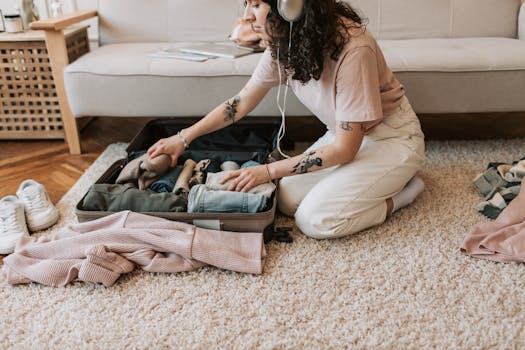
Start with a packing formula. Laying everything flat can feel intuitive, but using cubes and rolling shirts puts control back in your hands. Weight should sit close to your back to maintain balance and comfort.
Apply a Single-Bag Layering Formula
Use this formula: shoes at the bottom, rolled clothes above, tech in a sleeve, and smallest items in exterior pockets. Your best short trip backpack should never waste vertical space.
Add a compressible jacket on top for quick retrieval. Place toiletries in a leakproof pouch up front. Front-loaders work best—items stack safely, making repacking effortless after TSA checks.
- Pack jackets and outerwear at the top for airport security; easy removal saves time and stress during bag checks.
- Group cables and chargers in one zip mesh bag; you’ll thank yourself at hotel check-in when you find everything quickly.
- Keep an airline-compliant toiletry pouch in an external pocket; prevents digging at security and avoids leaked shampoo disasters.
- Roll versus fold debate: roll for t-shirts, but fold jeans and pants to maximize space and minimize wrinkles.
- Reserve a flat interior pouch for snacks, pens, or a tiny notebook. This stops items from sinking and cuts time when writing or snacking.
Every element has a place. Rehearsing this system builds intuition—after a few trips, you’ll know where to reach without thinking, making any best short trip backpack work for you.
Anticipate Daily Use Moments
Imagine arriving late at night: you need pajamas and toiletries quickly. Put them on top or in outer pockets for zero-fuss bedtime, keeping your best short trip backpack organized by routine.
Switch up pocket use based on trip type. A beach trip? Keep sunscreen and sunglasses in the top mesh pouch. City trip? Place your wallet deep inside, but your tickets up front.
- Organize with daily-use frequency; uncommon items go at the bottom, daily must-haves within swipe-reach.
- Dedicate one side to clean clothes, the other for used items, preventing post-trip laundry chaos.
- Mark pockets for quick visual cues—bright zipper tags for medicine or ID pockets work well under travel stress.
- Master the “one move” rule: adjust your layout so you access any regular item with one zip or unzip.
- Repack each night; running a mental checklist verifies nothing’s left behind or crammed awkwardly.
Practice your setup during local errands so the system becomes second nature on bigger adventures. The right habits make any pack the best short trip backpack for your needs.
Weight, Suspension, and Ergonomics Directly Impact Comfort
The backpack’s fit determines whether your day starts with a spring or a sore back. Comfort features quickly elevate a good pack to the best short trip backpack for real-world use.
Shoulder straps should adjust easily and stay put, without digging in. Look for breathable back panels—especially useful in summer or crowded trains, when sweat can become a distraction fast.
Balance Straps With Loading Rules
Adjust both straps before each outing. An unbalanced strap causes neck tension after just an hour. For short walks, cinch them near your shoulders; keep weight high and stable.
Chest straps prevent side sway as you move quickly through stations. For longer walks or heavier packs, use hip belts—even small stowable ones stabilize load and give shoulders a break.
On test walks, bounce on your toes; if the load shifts, re-pack so heaviest items (laptop, shoes) are closest to your spine. This pattern maximizes utility in any best short trip backpack.
Choose Materials That Suit Your Climate
If your city rains, opt for water-resistant nylon with seam taping. Warm climates benefit from mesh backs and lighter fabrics. Reflective details are smart for late arrivals: safety without bulk.
Top-grain zippers and reinforced stitching stand up to daily wear for years, especially if you carry tech or books. Always check manufacturer weight ratings—avoid overstuffing just because space is available.
The right bag feels easy, not strained, after thirty minutes on foot or constant subway rides. Test at home if needed, confirming your choice as the best short trip backpack.
Security Features and Access in Crowds: Reduce Worry
Keeping items safe and accessible in crowds is non-negotiable. Security features turn a standard pack into the best short trip backpack for public transit or tourist areas.
Look for hidden zips and interior slip pockets for passports and wallet. Anti-theft measures include lockable main compartments and cut-resistant panels. Don’t rely on wishful thinking—verify before buying.
Add Layers of Security During Transit
Picture a packed subway: body turned, bag at your chest, zippers pulled to the middle. Quick-glance checks stop theft and ensure nothing slips unnoticed.
Some travelers use cable locks when napping between stops. A low-profile carabiner loops both zippers together, deterring casual pickpockets. For extra peace, tuck valuables against your back panel.
Each step, combined, transforms even generic packs into practical contenders for best short trip backpack—your routine matters as much as manufacturer promises.
Prioritize Fast Retrieval Without Sacrificing Security
If you need a travel pass, keep it in a concealed but quick pocket. Frequent airport travelers say, “I love a side slip pocket—keeps boarding passes safe but not buried.”
Clamshell packs with multiple internal mesh areas let you spot items instantly. Smart organization means you never show your wallet or ID to strangers while searching, cutting risk dramatically.
Each pack’s access layout shapes how readily you’ll use it. The best short trip backpack works with you, not against you, with secure, intuitive pockets well-mapped for daily routines.
Adaptability: One Pack Must Fit Shifting Plans
Adaptability lets your backpack flex from sightseeing to business dinner or short hikes. Emphasize convertible designs and adjustable storage—this is the mark of the best short trip backpack for multi-day versatility.
Compression straps shrink extra space after a shopping splurge. Removable organizers and laptop sleeves let you adjust interior layouts on demand, tailoring space to your trip style.
Convert Packs Based on Daily Needs
Pull out the laptop pouch for a park picnic; reinsert for coworking. Travel friends say, “If I can’t swap out organizers, my pack doesn’t make the cut.” Buy modular elements if your backpack allows it.
For day hikes: stow removable hip belts for trail support, reclip them for urban walks as low-profile shoulder pads. Space-saving design turns problem packing into seamless adaptability.
Weekends away become smoother using this approach. You’ll assemble the best short trip backpack habits to suit every leg of your itinerary, with less time spent fussing.
Try Real-World Switch-Ups Before Traveling
Test-packing for a business trip, then a birthday party, ensures pockets and sleeves work for wildly different contents. Next, bring just one pack on a local day trip to try switching roles mid-day.
Many travelers say, “I want to grab my book for the bus, drop in a jacket, or reorganize without fully emptying my bag.” Real use beats specs on paper every time—simulation reveals true flexibility.
If shifting plans causes backpack chaos, rethink your setup. The right approach—and a modular, clever design—lands you with the best short trip backpack for every outing.
The Final Word: Buy Smart, Pack Smarter
Choosing and using the best short trip backpack is about smart decisions, not brand labels. Match features to your exact needs, and test before committing—comfort and security beat appearances.
Use packing strategies that prevent wasted time and shoulder pain. Select a backpack with the right balance of compartments, adaptability, and proven daily-use comfort. Only buy what you’ll actually use.
Each trip is smoother when your backpack fits your routine as much as your frame. Use these rules and scripts, and the best short trip backpack becomes your reliable travel ally—trip after trip.