The gentle feel of a favorite silk blouse or the airy lightness of a linen scarf can absolutely elevate a day. When those delicate fabrics start losing their luster, worry and frustration can sneak into your everyday routine.
Fabrics like cashmere, silk, lace, and chiffon shape micro lifestyle skills behind the scenes. Effective care stretches your style budget, cuts down dry cleaning, and helps you look polished with minimal effort.
Discover micro strategies that make caring for delicate fabrics feel straightforward rather than daunting. From quick stain fixes to air-dry hacks, the following sections walk you through skills worth building now.
Spotting and Sorting Delicate Fabrics for Immediate Results
Identifying delicate fabrics up front dodges surprise damage and stress later. The payoff: fewer fabric snags and less guesswork every laundry day—no matter how varied your closet becomes.
Picking up a new garment? Run fingertips along collars and seams. When you sense softness, stretch, or transparency, set it aside for gentle handling. This tiny habit prevents major mishaps.
Building Your Home Fabric Checklist
Start by categorizing what you own—think silk scarves, lace camisoles, thin-woven wools. Having a mental or physical list streamlines both laundry and storage decisions. You’ll skip the step of rereading clothing tags every wash day.
If you say, “I’m never sure if this shirt is gentle enough for the machine,” trust your senses: look for texture shifts or fabrics that crease with light pressure. Jot those down on your list for next time.
During sorting, glance at fiber content labels looking for words like silks, wools, viscose, modal, or cashmere. Make a little note if it says hand wash, drip dry, or delicate cycle.
When Unlabeled Pieces Confuse You
Some garments skip labels or lose them after wear. When puzzling over an unknown item, test in a low-risk area: dab a damp cotton swab on a hem and watch for color shift or fuzz.
If fabric fuzzes, snags, or discolors, treat the item as delicate—store it separately and launder with care. This low-tech check avoids adding a mystery piece into a high-heat machine cycle by mistake.
Store any item that’s passed your fabric tests in a dedicated bin or drawer, so you quickly spot pieces needing special care next laundry round.
| Fabric Type | Texture Traits | Laundry Symbol to Spot | Next Best Action |
|---|---|---|---|
| Silk | Slippery, smooth, light shine | Basin with hand icon | Hand wash cold, avoid wringing |
| Lace | Openwork, transparent, fine threads | Delicate cycle or hand wash only | Use mesh bag or wash by hand |
| Cashmere | Soft, fluffy, light weight | Hand wash or dry clean | Lay flat to dry, store folded |
| Linen | Cool, slightly crisp, wrinkles easily | Iron symbol with dot(s) | Wash cold, quick air dry, iron low |
| Chiffon | Sheer, floaty, slightly rough | Delicate cycle | Hand wash, dry flat, avoid heat |
Setting Up Your Home for Delicate Fabric Success From Day One
Arranging laundry supplies for delicate fabrics will save you time and limit costly errors. Strategic prep turns laundry day from a chore into a quick, repeatable routine anyone can follow.
Keep a dedicated basket or mesh bag for special-care items. Label it “Delicate Wash”. Place it by your hamper, so you’re prompted to sort as you undress each day—no backtracking required.
Must-Have Supplies on Hand
Gather supplies in advance and group them together. Think mild detergent, a quality mesh bag, soft towels, and a wide drying rack. Arrange them in a reachable spot—ideally beside the machine and a utility sink.
- Choose a gentle or wool-specific detergent to keep fibers soft and free from residue. Look for unscented options if skin sensitivity is a concern.
- Pick a fine-mesh laundry bag to protect lace or thin knits from abrasion and tangling inside the washer.
- Keep a stack of soft towels ready for rolling freshly rinsed, hand-washed items—this pulls out moisture gently and speeds up air drying.
- Add a wide, flat drying rack positioned by a window for quick, even drying. Skip hangers for knits to prevent stretching necklines and shoulders.
- Have a spray bottle and light, white cotton cloth ready for spot cleaning spills on the fly—especially useful for silk and linen hems, cuffs, or collars.
Set up this kit once and you’ll reduce friction, making gentle care for delicate fabrics a near-unconscious habit each week.
Smart Storage Actions to Prevent Snags and Fading
Upgrade storage by using shelf dividers or shallow bins. Drape cashmere and other stretch-prone knits flat instead of hanging. This keeps pieces shapely, with no shoulder dimples or pilling from friction.
- Use acid-free tissue between layers of stacked scarves and camis for long-term color and texture preservation.
- Store dark and light delicate fabrics separately; dyes can transfer in humid closets, especially during summer months.
- Add cedar balls or sachets for protection against moths—skip mothballs. Natural alternatives keep fibers fresh without harsh odors left behind.
- Fold silk, lace, and knit pieces with seams facing out. Friction along seam edges is less likely to cause major snags or pulls than along main panels.
- Check storage bins or drawers weekly for signs of moisture, pests, or stray elastics that could catch and damage threads.
With these storage strategies, your delicate fabrics are always ready to wear without unexpected snags, dust, or faded patches.
Quick, Effective Routines for Washing and Drying Delicate Fabrics
To maintain fabric softness and shape, always use cool water for handwashing and avoid high-heat settings on machines. Schedule a specific “delicates” cycle weekly to avoid workload buildup and reduce rushed mistakes.
Follow set steps: gently swirl items in soapy water, skip twisting, rinse cold, then roll pieces in towels before laying flat. Establishing these habits lessens wear and encourages better longevity for every favorite garment.
Developing a Sensible Handwashing Sequence
Begin with a basin of cool water and a squirt of mild detergent. Submerge pieces and gently agitate for several minutes—never scrubbing. Squeeze suds through fabric, never twisting.
Rinse delicate fabrics thoroughly in cool water, then gently press (not wring) excess out. Lay items flat on a towel, roll them to absorb moisture, and reshape gently on a rack.
Make the process social: invite a roommate or partner to help handwash their own favorites. You’ll both learn each item’s quirks and avoid laundry day annoyances.
Air Drying for Shape and Texture
Air drying is less harsh than machine cycles and better preserves shape. Lay flat on a mesh rack, reshaping as needed. Keep natural fibers out of direct sun to avoid fading.
If drying space is tight, stagger delicates on bath towels across a bed or sofa. Flip items halfway through to speed up drying and prevent damp patches or musty smells.
If pressed for time, set a fan nearby—just not pointed too closely—so you’ll avoid fiber breakage or surface roughness. Once dry, fold immediately and store away from sunlight.
Everyday Micro Skills Deliver Garment Longevity
Delicate fabrics demand a little thought but reward you with style that endures countless wearings. Each micro step—from sorting and prepping to washing and storing—directly translates to extended garment life and personal satisfaction.
Prioritizing the right tools and systems means you won’t dread laundry day. Instead, you’ll look forward to seeing your favorite pieces maintain their beautiful texture, color, and fit season after season.
Adopting a micro lifestyle skillset for delicate fabrics shifts care from a burden to an enjoyable habit—making every item you select from your closet a reliable, comfortable part of daily life.
Frequently Asked Questions
What if I don’t know whether a fabric is delicate?
If a garment feels thin, stretchy, or extra soft, treat it as delicate. When label instructions mention hand wash, cold water, or line dry, automatically process the item with your delicates laundry routine for safety.
Can I put delicate fabrics in the dryer with low heat?
Most delicate fabrics respond poorly to dryers—even on low. Air drying preserves the original shape and finish. Rolling items in towels first absorbs excess moisture and shortens drying time significantly.
Should I iron delicate fabrics or steam them?
Always check care tags. Many delicate fabrics respond best to steaming, which reduces risk of shine, scorching, or fiber breakage. If ironing is needed, choose the lowest heat and a pressing cloth.
How do I handle delicate fabrics when traveling?
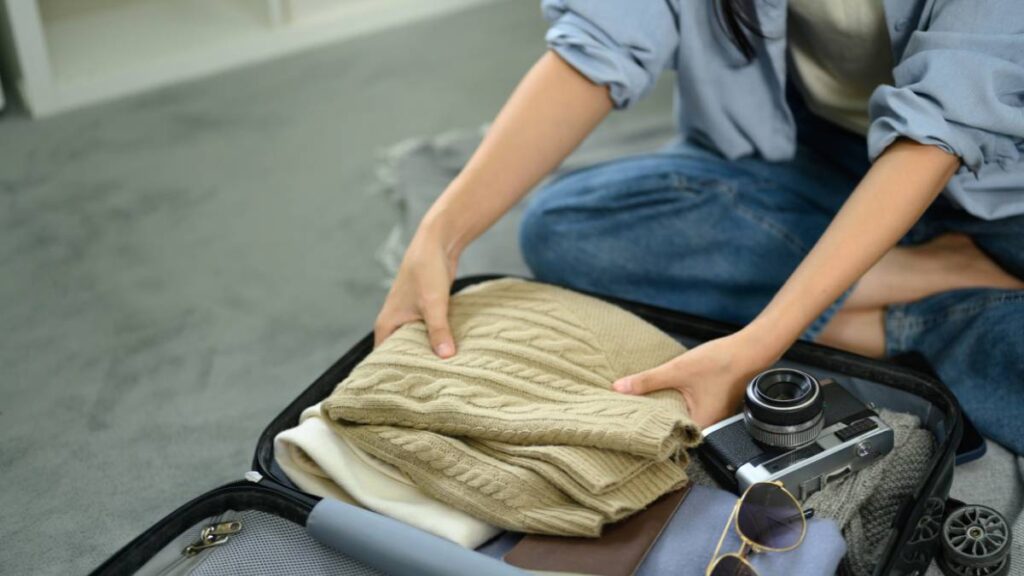
Pack delicate fabrics between layers of soft clothing or tissue. Carry a small bottle of gentle detergent for on-the-go washing, and let garments air dry flat in your hotel room overnight to avoid wrinkles or snags.
Why do my delicate fabrics pill or fuzz?
Pilling is normal with wear, but rough handling, overloading machines, or skipping mesh bags makes it worse. Use a fabric shaver to safely remove pills, then continue gentle care to minimize future fuzz buildup.