Nothing distracts quite like the persistent sound of water running in the bathroom—it claims attention at the most inconvenient times. Learning to stop running toilet problems is crucial for keeping your home comfortable. Even a few minutes can feel endless when unwanted water noise interrupts daily routines.
No one wants to see their water bill spike simply because of a toilet that refuses to rest. Understanding how to act quickly is essential for anyone interested in saving both stress and unnecessary expense.
This article will deliver hands-on advice to stop running toilet frustrations immediately. Dive into these actionable steps for success, starting with recognizing the first signs and progressing to practical, proven fixes.
Identify the Problem Area to Take Precise Action
Pinpointing where your toilet runs from saves time. This step ensures you use the right tactic to stop running toilet problems quickly, without trial and error waste.
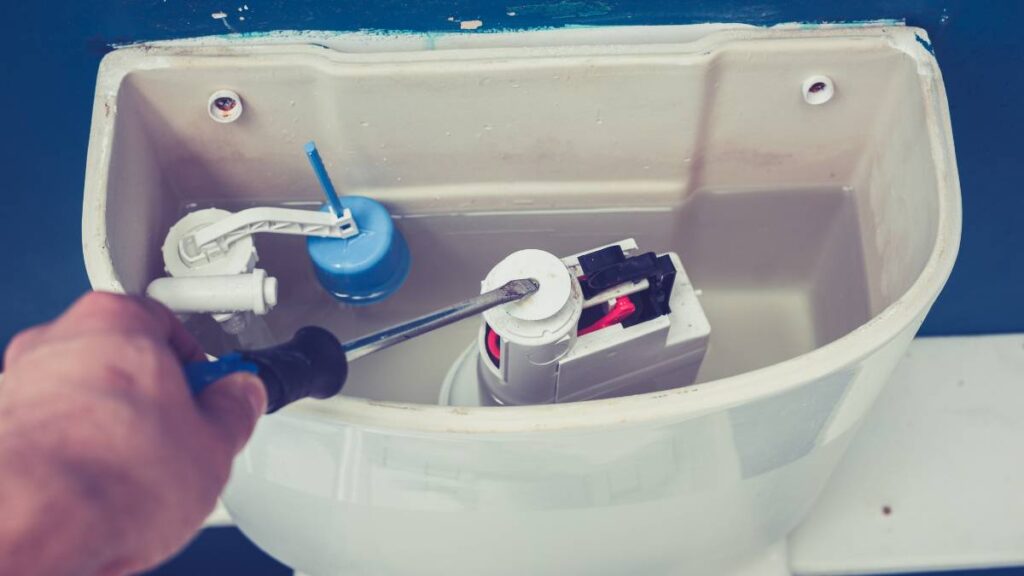
First, listen for the sound. Is it constant or intermittent? Then, take off the tank lid and look for obvious leaks, movement, or unseated components inside the tank.
Test the Flapper for Proper Seal
Press down gently on the rubber flapper at the tank’s bottom. If the toilet quiets, the flapper seal is your culprit—this guides your fix for a quick stop running toilet solution.
Common signs include a worn-out flapper or one not sitting flush. Sometimes, a chain kink keeps it from sealing properly. Straighten the chain for immediate improvement.
Watch for debris that may catch under the flapper. Just a hairline crack or mineral buildup can permit water flow, so wipe the flapper clean for a temporary fix.
Spot Overflow Tube Issues
If water pours into the overflow tube, the float may not be set right. Too much water means the float’s adjustment is off—quickly bend the float arm downward for a faster solution.
Visual cues include a high water line or bubbling through the tube. Gently nudge the fill valve float until water stops moving into the overflow.
For many, this minor tweak provides an instant way to stop running toilet mishaps till permanent repair. Check water levels regularly after adjustment to confirm the problem is managed.
| Issue | Immediate Symptom | Action Step | Takeaway |
|---|---|---|---|
| Flapper leak | Persistent running sound | Press or reseat flapper | Quick fix and check again after a flush |
| Stuck float | Overflow fills continually | Bend or free float arm | Adjust helps stop running toilet until a replacement |
| Tangled chain | Flapper won’t seal | Straighten chain manually | Ensures flapper closes every flush |
| Debris under seal | Inconsistent leak and noise | Clean flapper and valve seat | Temporary but reliable for short-term |
| Poor fill valve | Skyrocketing water level | Lower float or shut valve | Buys time before new part installation |
Take Fast Action With Simple Temporary Fixes
Acting quickly can halt excess water and stop running toilet issues within minutes, even before seeking out tools or parts. These strategies prevent waste and stress in emergencies.
Shutting off the water supply valve behind your toilet puts you in control. This one move prevents unexpected leaks and makes subsequent adjustments much safer.
Shut Off the Water Valve Efficiently
Reach under the toilet tank and turn the shutoff valve clockwise. This immediately cuts off new water entering the toilet, stopping ongoing waste and minimizing hazards.
It’s best to do this if you suspect a major internal part has failed, or you need to buy time to plan a more thorough repair for your stop running toilet concerns.
- Turn the valve by hand—firm, steady motion prevents damage and ensures immediate stoppage, giving you peace of mind.
- Check the tank’s fill—without pressure, water will slowly drain, showing if your intervention worked or if additional steps are needed.
- Keep towels nearby—although rare, turning off the water sometimes dislodges sediment or causes slight leaks from the supply line. A small towel handles it quickly.
- Communicate to household members—let others know the water’s off, so no one is surprised if a flush doesn’t refill the tank normally.
- Keep the valve accessible—avoid stacking items around it, making it easy for anyone to intervene next time.
Switching off the water is the fastest temporary method for any stop running toilet scenario. Restore it only after you’re sure the cause won’t trigger the same problem again.
Clear Debris With Quick Adjustments
Lifting or jiggling the float ball inside the tank can halt leaks. Sometimes, buildup or minor obstruction disrupts the float’s action—swift motion can re-seat it briefly for relief.
This move gives you time to shop for repair parts or to plan professional help if you’re dealing with stop running toilet issues late at night or before a busy day.
- Lift the float evenly—use careful, upward pressure; it prevents bending rods or loosening delicate connections, allowing the tank to refill as needed.
- Dislodge particles by moving the float—this clears minor sediment that blocks the shutoff, letting the float return to its proper level.
- Repeat only as needed—if the leak resumes after a flush, add checks, but repeated movement signals a replacement is likely needed soon.
- Wear gloves—handling tank parts can expose you to bacteria or sharp edges hidden under the waterline. Kitchen gloves work well for temporary maintenance.
- Document the quick fix—snap a photo or write down what you did, making it easier to explain the situation later if you need professional repairs.
Fixing floats and debris temporarily keeps water waste at bay, serving as a stop running toilet lifeline in urgent moments. Don’t rely on this for weeks, but as a bridge to a real repair.
Tweak Internal Components for Short-Term Reliability
Adjusting parts inside the tank can effectively stop running toilet frustration. With small tools or by hand, you secure a calm bathroom and prevent unwanted water loss.
Set the float level first by pinching the clip on the rod and sliding it downward. If the float is a ball, bend the arm carefully down, ensuring the valve closes at a lower tank level.
Shorten or Untangle the Flush Chain
If the flush chain is too tight or twisted, it can keep the flapper open, causing an unending flow. Loosen or reposition the clip a link lower for smooth engagement each time.
When a toilet runs all night, many find that adjusting the chain is the missing link for a perfect temporary stop running toilet solution. Make sure there’s a touch of slack but not so much the flapper won’t lift.
Test by flushing and watching closely. The chain should lift the flapper fully, then settle without catching on itself or the tank wall, ending the running sound completely.
Level the Fill Valve to Reduce Overflow
A crooked or poorly positioned fill valve pours water endlessly into the tank or overflow. Grasp the valve’s collar and turn it gently, ensuring it sits upright and aligns with water flow.
This fix is vital when you’ve noticed that turning off water alone doesn’t solve the root issue. Stop running toilet issues for the night by restoring the fill valve’s alignment.
Flush after adjusting. Watch for steady, silent filling to indicate success. Realignment can buy you hours or days to secure replacement parts or professional help as needed.
Seal Leaks and Blockages Without Tools or Extra Parts
Even without a full repair kit, it’s possible to temporarily stop running toilet problems by relying on household items for makeshift seals and blockades in urgent moments.
Placing a weighted cup over the flapper can force it closed. If you lack plumber’s tape, a folded plastic bag pressed against the valve seat offers a short-term seal to curb excess flow.
Minimize Water Level with Tank Adjustments
Scoop excess water from the tank with a plastic cup, lowering the waterline until it’s below the overflow tube. This reduces risk if a stop running toilet fix takes longer than expected.
Old towels or sponges lining the tank base can soak stray drips. This method is especially useful when you’re juggling home chores and temporary toilet crisis management.
When time is tight before guests arrive, lowering the tank level helps prevent embarrassing noises or puddles with minimal effort—just remember to empty or wring towels later.
Block Stopper Gaps With Everyday Materials
Use an empty butter tub or water bottle to cover leaks around a faulty flapper. The goal is to create gentle pressure on the leak, reducing ongoing flow and noise.
Choose a container with just enough weight to hold the flapper secure, but not so much it distorts the rubber or housing. This delicate balance buys you time until supplies arrive.
Swap in a dry object if one gets soaked during the process. Each change maintains the barrier against new leaks, ensuring your temporary solution to stop running toilet mishaps holds firm.
Keep Supplies Handy and Document Every Adjustment Made
Organizing your bathroom repair kit makes any stop running toilet fix simpler next time. Keep easy instructions and a supply checklist nearby for each quick repair attempt.
Label and Store Key Items for Next Time
Group items like pliers, rubber gloves, towels, and a plastic cup in a small container under the sink. Label the kit clearly to help anyone respond calmly to toilet emergencies.
Write down steps or routines that worked before: “Shut off water, weighed flapper, called plumber.” Share this bathroom log with all household members for easy guidance during future issues.
Establish Preventive Habits That Reduce Future Occurrences
Routinely inspect your toilet’s internal components every month to minimize urgent stop running toilet interventions. Catching worn parts early makes a major difference in home maintenance outcomes.
Flush with intention, watching for sluggish action or gurgles. Even a subtle change can signal attention is needed, keeping your plumbing in top shape with minor periodic tuning.
Design a Simple Monthly Inspection Checklist
Check the chain, flapper, and float for any visible wear, misalignment, or mineral deposits. Addressing issues now staves off marathon fixes and crunched schedules when you least expect them.
Listen for the sound of continuous running water after each flush, a clear sign repairs are due soon. Jot down notes to stay proactive as problems evolve.
Apply a gentle wipe-down using a soft sponge after each inspection to prevent scale buildup, a silent contributor to stop running toilet episodes over the months.
Lasting Relief Comes From Timely Temporary Fixes and Ongoing Care
Swift action with sound methods provides instant peace of mind when tackling stop running toilet trouble. Each step not only halts waste but preserves your bathroom’s calm atmosphere.
Staying prepared with ready-to-use tools, checklists, and brief, decisive fixes encourages confidence the next time your toilet refuses to cooperate. Practice makes perfect—the more you adjust, the easier it becomes.
By blending dependable habits with the techniques shared here, you’ll stop running toilet problems quickly every time, making water worries a thing of the past.