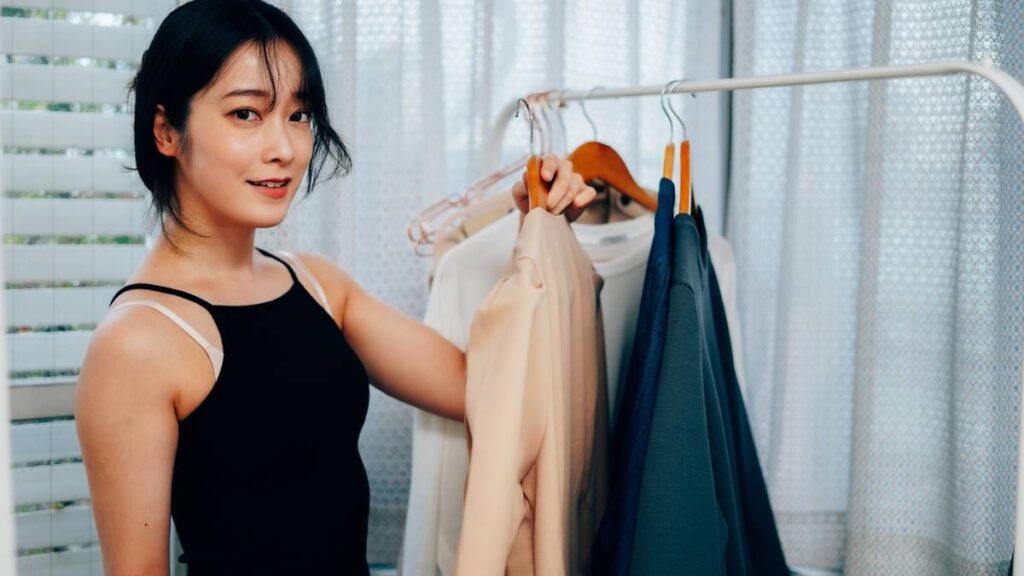
Wearing crisp clothes takes effort, but busy days rarely allow time for ironing. That’s why wrinkle resistant fabrics sneak into our closets—and stay.
These smart textiles help workdays and weekends flow smoother, keeping us looking put together with minimal hassle. Everyone who’s run late has silently thanked that low-maintenance shirt.
Let’s explore which wrinkle resistant fabrics actually work, how to shop wisely, and everyday habits that protect your wardrobe from looking tired. Here’s what makes these clothes worth choosing.
Choosing Reliable Fabrics Makes Morning Routines Quicker
When you start with wrinkle resistant fabrics, you skip ironing and last-minute steaming. That’s immediate time saved on rushed mornings or after long trips.
With the huge range of choices, checking fabric content labels helps you find styles that stay neat. It takes just a minute and can save hours over a year.
The Blend Breakdown: Fabric Content and Lasting Results
Check fiber mixes before you buy: polyester-cotton blends perform better than most pure cotton garments. The higher the synthetic content, the more wrinkle resistance your clothes hold.
Sometimes you want the soft feel of cotton, but you hate midday crumples. In these cases, a 60/40 cotton-poly mix is reliable for daily shirts and blouses.
Shoppers aiming for true smoothness should also try innovative modal or Tencel blends. They combine drape, moisture management, and wrinkle fighting, perfect for everyday situations.
Eco and Comfort Factors: Balancing Sustainability With Performance
Naturally derived wrinkle resistant fabrics like bamboo viscose combine low maintenance with less environmental impact. They’re popular in sustainable style circles, especially for casual tops.
Pure synthetics, from basic polyester to recycled PET, offer the best wrinkle resistance. If you prefer a more natural hand feel, look for lyocell-based blends in modern collections.
Try garments labeled as ‘easy care’ or ‘wrinkle-free’—they’re crafted specifically for performance and comfort, giving you functional options without a harsh synthetic touch.
| Fabric Type | Wrinkle Resistance | Feel | Best Use |
|---|---|---|---|
| Polyester | High | Smooth, Synthetic | Trousers, Button-downs |
| Poly-Cotton Blend | Medium-High | Cotton-like | T-Shirts, Work Shirts |
| Modal/Lyocell | Medium | Silky, Cool | Casual Wear |
| Bamboo Viscose | Medium | Soft, Natural | Undershirts, Sleepwear |
| Linen Blend | Low-Medium | Crisp, Light | Pants, Summer Shirts |
Recognizing Fabric Touch and Performance When Shopping
Testing by touch makes a difference: wrinkle resistant fabrics feel smoother, with a slight bounce-back when scrunched in your hand. Shop with focus for reliable results.
In fitting rooms, bunch a sleeve or hem and hold for five seconds. If the fabric springs mostly flat, that’s a good everyday pick for low-maintenance wear.
Shopping Smarter: When In-Store Signs Signal Quality
Wrinkle resistant pieces appear on hangers looking polished, not limp. Stores sometimes list ‘easy care’ or ‘travel’ on tags—try these first for day-to-day needs.
For shirts, check cuffs and collars. If they retain structure after squeezing, the fabric blend has been designed to hold up during commutes or meetings.
- Feel the fabric: Hold and scrunch a sample in hand. Smooth rebound indicates wrinkle resistance in motion.
- Check care tags: Look for blends with over 40% polyester or lyocell for consistent results throughout repeated washes.
- Look for ‘wrinkle free’ description: Trust this claim more on shirts, pants, or travel wear than on thin tees or informal pieces.
- Observe on racks: Garments that look sharp after days on display are likelier to look crisp on you too.
- Trust the hand test: Gently tug at a seam and note recovery—quick smoothing suggests fabric will stay neat between wears.
This checklist helps avoid disappointment, especially if aiming to build a versatile rotation of wrinkle resistant fabrics for regular outfits.
Understanding Online Listings: Clues to Real-World Results
Read product details closely: Brands describe ‘non-iron’ finishes or specify their anti-wrinkle technology. These usually outperform plain cotton or linens in consistent daily wear.
Seek out detailed material disclosures. Good sellers share fabric percentages, while vague listings risk letting in hidden high-wrinkle fibers like rayon or pure linen.
- Sort by ‘easy care’: Many websites let you filter specifically for wrinkle resistant fabrics to streamline decision-making.
- Compare reviewer photos: Customer images show how fabrics hold up in real life. Skip pieces where wrinkles show after just one wear.
- Check laundering instructions: ‘Tumble dry low’ or ‘no ironing needed’ gives a hint at genuine low-wrinkle performance.
- Scan for ‘travel-ready’ tags: These indicate designers planned for long packing and busy schedules—always a pro move for chronic travelers.
- Spot-check for returns: Easy return policies help experiment safely with new brands or unknown blends without long-term risk.
This approach takes five extra minutes while browsing but keeps your weekday wardrobe fresher and consistently easier to maintain.
Fine-Tuning Your Wardrobe With Practical Picks and Routines
Choosing wrinkle resistant fabrics for base layers—like undershirts and blouses—means smoother silhouettes and less frustration on frantic mornings. Starting small can overhaul your daily routine.
Begin by upgrading the items you wear most. Swapping out your most-used shirts and pants quickly cuts back on time spent battling wrinkles each week.
Seasonal Switch: Packing Tips For Year-Round Travel
Focus on wrinkle resistant fabrics for travel wardrobes. Lightweight, compact shirts help you pack smaller bags while staying sharp at meetings or vacation dinners.
For overnight trips, roll instead of fold to maintain smoothness. Pair blended shirts with dark polyester-blend pants for a flexible outfit that moves easily from morning to night.
After flights, hang items in a humid bathroom for quick smoothing. Wrinkle resistant fabrics rarely need more than this quick touch-up to look ready for events.
Everyday Habits That Keep Clothes Crisp Longer
Rotate your wardrobe, wearing selections in cycles rather than on repeat. This prevents deep creasing and helps your wrinkle resistant fabrics live up to their promise.
Store shirts and pants on wide hangers instead of wire ones for fewer stress marks or shoulder dents. A tidy closet preserves the fresh look longer.
Wash with care: Always separate by color and blend. Quick, gentle cycles paired with low-heat drying protect the anti-wrinkle finish of your favorite clothes.
Maintaining Appearance: Laundry and Care Shortcuts That Work
Consistent, simple laundry habits help extend the life of wrinkle resistant fabrics. Taking just a few steps ensures your clothes always look crisp and ready to wear.
First, sort loads by fiber and weight. Mixing heavy jeans with lightweight shirts can ruin the anti-wrinkle structure and shorten clothing lifespan.
- Wrap delicates in mesh bags: This shields finer wrinkle resistant fabrics from snagging or stretching, especially for blouses and light pants.
- Choose cold water: Warmer temperatures may degrade fabric treatments or finishes faster. Cold cycles protect synthetic content in everyday basics.
- Use gentle spin: Aggressive machine spin cycles introduce unnecessary creasing even in wrinkle resistant garments, so stick to the ‘gentle’ setting.
- Pulled fresh, not forgotten: Move items quickly from washer to line or dryer. Letting them sit increases the risk of wrinkles, defeating the benefit of smart fabric blends.
- Hang by seams: Peg shirts or pants on major seams so weight distributes evenly without further wrinkling, keeping creases at bay straight out of the wash.
Making these small adjustments transforms laundry day into an easier routine and lets wrinkle resistant fabrics shine each time you wear them.
Smart Closet Storage Protects Your Low-Maintenance Pieces
Organizing your closet with wrinkle resistant fabrics in mind pays off daily. The layout matters just as much as fabric type for long-term neatness of clothes.
Start by dedicating an area exclusively for wrinkle resistant wardrobe staples. This makes grabbing a crisp piece effortless when time is tight before work or events.
Spacing Clothes Correctly: The Rule of Thumb for Hanging
Leave at least an inch between hangers. Shoulder overlap compresses fabric, undoing built-in wrinkle resistance after just a few days of crowded storage.
For regular wear, rotate fresh laundered items to the front and slide last-worn pieces to the back. This keeps shirts drying out naturally, prolonging their sharp appearance.
Adjust shelf heights: Folded items do best stacked no more than four high. Piling clothes tightly invites wrinkling, even in resilient blends.
Packing for Fast Repeats: Luggage and Gym Bags
Fold clothes in loose layers, not tight rolls. Wrinkle resistant fabrics fare best with extra breathing room, and loosely packed bags smooth out quickly on arrival.
For business trips, tuck a dryer sheet between shirts for static control and a clean scent. Unpack immediately and hang up within ten minutes at your destination.
At the gym, pack a full outfit change in a drawstring bag with a hotel-sized towel. Spreading clothes flat after exercise keeps them fresher and ready for your next outing.
Integrate Wrinkle-Resistant Fabrics for Flexible Lifestyle Solutions
As life demands keep shifting, wrinkle resistant fabrics deliver stability. Families, travelers, and professionals all benefit by building outfits that transition without stress.
If your day ranges from playdates to work calls, polyester-blend pants or a modal tee transition smoothly—little details, like crease-resistant collars, upgrade daily confidence.
Scenario: Getting Ready with Zero Fuss
Imagine an alarm goes off at 7 a.m. Instead of rushing for the iron, you reach into your wrinkle resistant fabrics section for a top that always looks crisp.
This routine means leaving home on time and noticing people respond to your confidence—no distractions about rumpled sleeves or collars during meetings or coffee runs.
At lunch, you slide into a booth, smooth your shirt, and feel comfortable knowing the smooth finish will last for the rest of the day, minimizing stress.
Building a Reliable Capsule: Wardrobe Planning That Lasts
Start with five core pieces: two neutral shirts, a dark pant, a light jacket, and a versatile tee, all made from favored wrinkle resistant fabrics for flexibility.
Use color to add interest: A navy poly-blend shirt brightens weekday looks, while a black modal tee layers under blazers when your day demands both professionalism and comfort.
Rotate between outfits: Building from a wrinkle resistant base saves packing space and simplifies laundry, freeing up weekend afternoons for activities beyond clothing maintenance or ironing.
Lasting Value: Wrinkle-Resistant Fabrics Make Life Smoother
Choosing wrinkle resistant fabrics means investing in smooth mornings, easy travel days, and polished first impressions across your activities. Each step you take supports practical elegance every day.
This approach moves beyond fleeting trends or short-lived hacks—it’s rooted in smart fiber choices, clear shopping techniques, and storage routines that really last in real world use.
Take the leap to build a future wardrobe on wrinkle resistant fabrics. Your time, energy, and confidence will thank you—one crisp outfit at a time, again and again.