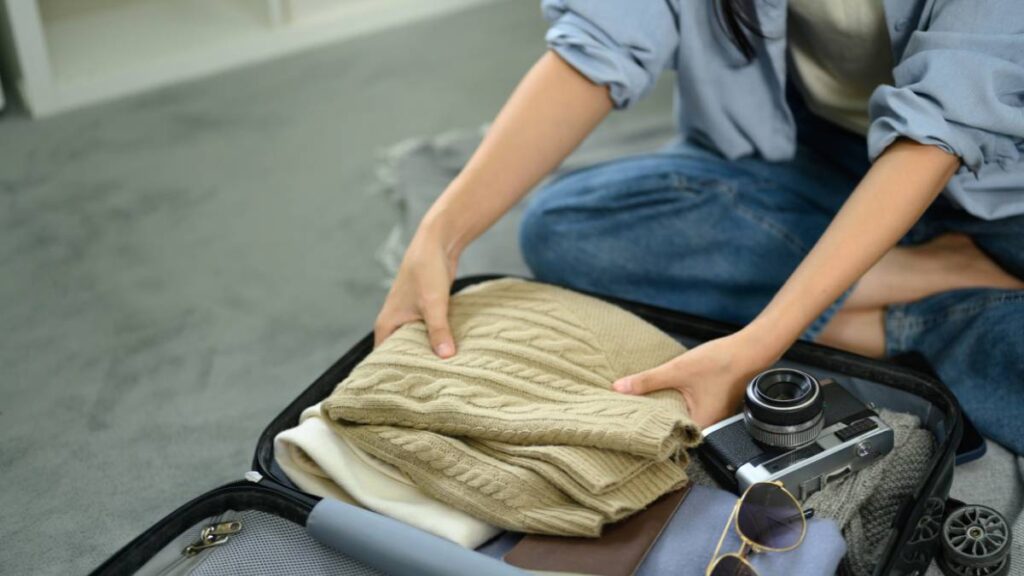
Selecting the best folding method for each item leads to tighter, flatter bundles and prevents awkward bulges. Fold clothes for luggage with purpose to streamline your bag’s internal layout.
Let’s look at why piecemeal folding fails on travel days. Each article—shirt, pant, dress—wants its own shape to stack smoothly against the next. Here’s what frequent travelers actually do.
The Rule of Category Shapes: Stack Like Items Together
Next, lay shirts out flat, smoothing collars and sleeves. Stack these in one corner of your suitcase. Utilize a similar tactic for pants, keeping waistbands aligned to prevent rolling.
| Clothing Type | Best Folding Method | Space Saved (%) | Next Step |
|---|---|---|---|
| T-Shirts | Flat Fold | 20% | Layer with collars alternating |
| Jeans/Pants | Roll Tight | 30% | Slide down side of luggage |
| Sweaters | Roll or Tight Bundle | 25% | Place in corners or shoes |
| Undergarments | Fold Small | 15% | Tuck into pockets or shoes |
| Button-Down Shirts | Fold with collar out | 18% | Layer on top last |
Sequencing Your Packing Compounds Every Inch Saved
Setting a clear packing order prevents reshuffling your folded clothes for luggage halfway through the process. A well-sequenced approach eliminates dead space before it starts.
Begin by packing heavy and rolled items first, then flat or delicate layers next. This method works for both hardshell and soft luggage types, and it’s easy to adjust for new destinations.
Packing Sequence Checklist
Get into the routine of always loading shoes and bulky rolls at the base. Follow up with basic layers on top, keeping high-structure items like blazers near suitcase edges.
Stash accessories and small gear in gaps around bulkier items. This checklist saves you from late-stage digging, letting everything stay organized when you arrive at your destination.
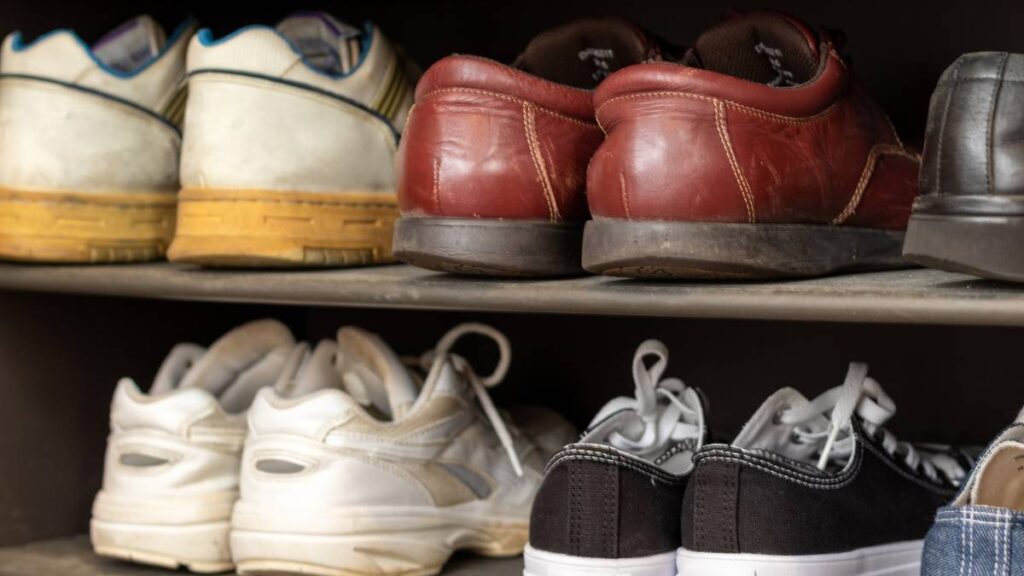
- Place shoes heel-to-toe along suitcase wheels; tuck socks inside helps shape each shoe.
- Roll jeans or pants tightly, stack vertically next to shoes for steady weight distribution.
- Slide bulkier sweaters or hoodies into corners; rolling keeps them contained and prevents wrinkling from pressure.
- Add flat-folded shirts and tops, alternating collar direction to reduce stack height and make the surface even.
- Fill remaining gaps with undergarments and accessories, prioritizing items you’ll want first at your destination.
Sequencing these steps lets you fold clothes for luggage with less wasted space and fewer wrinkles, giving your suitcase a professional feel you’ll notice on arrival.
Batching By Day or Activity Prevents Forgetting Essentials
If you travel for work or to events, consider packing grouped outfits by day or activity. Stack Monday’s shirt, pants, socks together, then repeat for each day.
This visual approach guarantees nothing gets left behind. When you open your case, you’ll spot exactly what you need for each segment of your trip.
- Package full outfits in packing cubes for quick grabs in hotel rooms.
- Label bundle ties with date or activity for instant access at a glance.
- Use colored bags to mark casual versus dressy outfits, keeping easy separation to avoid accidental mixing.
- Reserve one corner for evening wear, packed in reverse order so you do minimal shifting to retrieve anything.
- Pack rain gear or workout sets last, so they’re accessible if plans change mid-journey.
Following this bundling technique streamlines every clothing-related decision while away, making busy travel days much smoother.
The Bundle Wrap and KonMari Methods Change Packing Results Overnight
Some folding strategies feel counterintuitive until you try them—and suddenly, your folded clothes for luggage fit twice as many options inside the same case.
The bundle wrap relies on stacking and wrapping in layers, while the KonMari fold uses small rectangles that stand upright for tidy compartmentalization. Both deliver visible, immediate gains as soon as you experiment.
Applying the Bundle Wrap to Bulky Garments
Start with your largest items—think jackets or long pants—flat on your surface. Stack lighter items, like shirts and scarves, in the center.
Wrap the big items around the internal stack. Each layer folds over the previous, forming a tidy rectangular bundle that holds shape during transit.
Pick up the bundle, keeping it compact, and slot into your suitcase. This minimizes garment shifting and keeps formal clothes free from creases.
Using KonMari’s Fold for Everyday T-Shirts and Undergarments
Lay each shirt flat, fold into thirds lengthwise, then fold up into a small rectangle. It should stand up on its own without wobbly sides.
Line up these rectangles in a row along a packing cube or suitcase divider. You’ll see every item at a glance, which solves the issue of forgotten pieces buried underneath.
This approach fits t-shirts and underwear snugly together, greatly expanding visible storage, and encouraging you to pack only what you’ll really wear on your trip.
Secondary Tools Maximize Folded Clothes for Luggage Gains
Accessories like packing cubes and compression bags amplify the benefits when you fold clothes for luggage using any method outlined above. Bags and cubes fit seamlessly into most carry-ons.
Packing cubes are zippered soft boxes that group items by category, helping shirts, socks, and pants stay together. Compression bags flatten items much further by forcing out air, particularly useful for bulky winter gear.
Using Packing Cubes to Divide and Conquer
Sift all clothing by category and place each stack into a separate cube. Zip cubes tightly shut before loading them into your suitcase. This step creates a visual grid—each cube representing a clothing category.
You’ll avoid suitcase chaos when you need a single item, since cubes hold their shapes and items don’t get jumbled. The “grab-an-entire-cube” tactic shines for fast dressing or room changes.
Travelers say seeing each cube makes packing and unpacking stress-free. If you fold clothes for luggage with cubes, you save time and prevent the dreaded suitcase explosion mid-trip.
Specialty Folds for Delicate and Wrinkle-Prone Clothes
Packing delicate fabrics or wrinkle-prone clothing takes special attention. Thin garments and dress shirts require specific folds and placement if you want to avoid crumpling and crease lines upon unpacking.
Try the tissue paper trick: sandwich each dress shirt or silk item with tissue, then do a loose fold. This technique minimizes friction that causes wrinkles and keeps fabric surface smoother in transit. Fold clothes for luggage gently when using this method.
Folding Dress Shirts with Collar Support
Lay the dress shirt buttoned-up on a flat surface. Place a rolled sock or small item under the collar to keep its shape.
Fold sleeves toward the middle back, then fold the bottom up to just below the collar. The shirt remains compact but the collar stays crisp.
Stack these at the top of your bag or inside a packing cube lined with tissue paper. Remove immediately when you arrive at your destination for the best results.
Dealing with Silks and Specialty Fabrics
Laying silk items flat with protective paper prevents snagging. Never roll them tightly—loose folding is less likely to wrinkle.
Fold sleeves and edges inward so seams don’t bear excess tension. Placing these at the very top of your carry-on reduces crushing from heavier garments underneath.
Laundry bags or mesh pouches also shield delicate items, letting you separate these from more durable pieces in your luggage.
Adapting Methods for Family or Group Packing
When packing for multiple people, folding clothes for luggage efficiently means organizing by person as well as category. Each traveler’s essentials should be instantly recognizable and easy to access.
Assign colored packing cubes or zipper bags to each family member. After folding and sorting, label each bag with a name or initial.
Scenario: Weekend Trip for Four
Two parents and two kids pack outfits by day, placing everyone’s Monday clothing in their respective colored cubes. Toothbrushes and underwear go in a shared mesh bag up front.
This system avoids lost items and keeps morning routines on the road simple. You’ll spend less time searching, and there’s less debate about missing items.
At the hotel, each person grabs their cube and is ready in minutes—no mix-ups, no disputes. This process gives peace of mind for the group and streamlines unpacking, too.
Optimizing Luggage for Road Trips Versus Flights
For flights, limit yourself to essentials; use compression bags to guarantee checked-bag weight stays low. Prioritize fold clothes for luggage methods that fit within space limits.
On road trips with larger bags, pack by activity or weather. Dedicated bags for swimsuits or snow gear let you grab what you need at each stop without unpacking everything else.
Folding by event or day keeps roadside pit stops fast, avoiding clutter as you move from place to place.
Realistic Tips for Stress-Free Packing Routines Every Time
Sticking to a reliable routine, with attention to detail each time you fold clothes for luggage, locks in your packing skills. You’ll notice steady improvement as new actions become muscle memory.
Start several days before your departure by laying out everything you plan to bring on a flat surface, then editing for only what you’ll realistically wear.
Rapid-fire Packing Formula for Any Short Trip
Lay out categories: tops, bottoms, socks, underwear, one set of evening clothes. Pair down by removing one item per category if the case feels too full.
Apply the same folding strategy for each piece as described above: roll for bulk, flat for tops, delicate folds for tricky fabrics.
Quick-scan your bag before closing—if you can see each category, nothing’s missing. Zip up without shoving or squishing, giving a pro-level finish each time you pack.
Copy-and-Paste Packing Lists Keep You Prepared
Store reusable, trip-tested lists with clothes you’ll pack most. Customize with weather or activity notes; add to your list as needs change after each trip.
Show future-you some gratitude by noting which packing strategies or fold clothes for luggage methods worked best for your last trip. Tweak until the list feels automatic next time.
Packing lists prevent forgotten essentials, speed up preparation, and cut down on nerves before travel.
Smart Luggage Folding Makes Every Trip Smoother and Less Stressful
Every tip above directly improves how you fold clothes for luggage, from starting with a category system to leveraging compression bags and packing cubes. Each method adds cumulative improvements to travel efficiency.
Prioritizing the right folding strategies ensures more clothes fit neatly, less fabric wrinkles, and you stop worrying about missing gear at crucial moments.
What changes most with consistent practice isn’t just your suitcase—it’s your confidence. Fold clothes for luggage using these concrete steps and every departure will feel lighter, smoother, and remarkably stress-free.