Traveling overseas energizes the mind, yet it stirs real anxiety about safeguarding vital papers. Hidden in pockets or bags, those files deserve reliable travel document protection at every stage of the journey.
Passports, visas, and even boarding passes form the backbone of successful international travel. Misplacing any can halt plans, overwhelm you with bureaucracy, or even disrupt personal safety. That’s real risk everyone faces.
Below, you’ll find targeted guidance, hands-on tips, and concise lists to ensure every traveler feels confident in their travel document protection strategies.
Organizing Documents Means Fewer Travel Surprises
When you begin with order, lost-document panic is replaced by calm. Reliable travel document protection starts with bundled, labeled documents you can grab instantly.
Sorting isn’t busywork—it sets the entire tone of your trip. Separating originals from copies ensures you always know what’s in hand, and what can stay hidden for backup.
Separate Originals from Copies for Easy Recovery
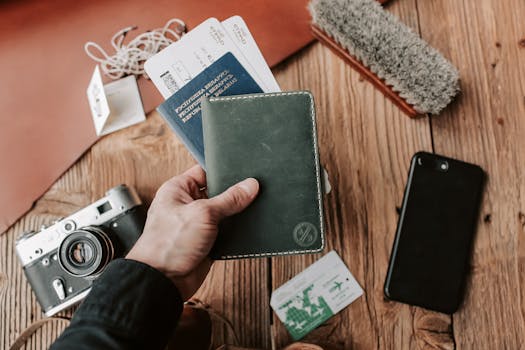
Place original passports and visas in one slim folder labeled ‘primary.’ Tuck high-quality color copies into a separate, lightly padded envelope labeled ‘backup.’
This habit simplifies airport security moments. Should a document go missing, you instantly know what you’ve lost and what you still possess, speeding communication with authorities.
In one scenario, a traveler noticed their backup envelope at check-in. Instead of awkwardly fumbling, they confidently produced the required copy. Try: “I have backups, just in case.”
Keep Digital Scans Accessible, but Secure
Backing up with digital scans boosts your travel document protection. Email these files to yourself, or upload to secure cloud storage with password protection and two-factor authentication.
Access these backups only on secure Wi-Fi connections; never use public terminals abroad where data theft risks run higher. Digital versions serve in embassies or hotels if the originals vanish.
Imagine leaving your passport at a hotel. Show a digital image on your phone to consular staff and say, “Here’s my passport scan. What’s the process to get a replacement?”
| Document | Best Storage | Backup Type | Takeaway |
|---|---|---|---|
| Passport | Hidden pouch | Paper + Digital | Backup both for instant verification |
| Visa | Visa folder | Paper Copy | Store in separate pocket for emergencies |
| Travel Insurance Card | Wallet pocket | App Screenshot | Email it to yourself |
| Boarding Passes | Travel organizer | Download before airport Wi-Fi | |
| Itinerary | Mobile app | Printed Copy | Keep backup separate from electronics |
Physical Storage Prevents Quick-Loss Nightmares
Choosing the right gear can block careless moments and crafty thieves. Every traveler should build redundancy into their travel document protection strategy using layers, locks, and physical barriers.
Carrier placement matters more than flashy material. A well-chosen accessory can earn back hours you could lose in a document scramble.
Packed Placement Makes the Difference
Wear a belt pouch close to your body instead of tossing passports in open backpacks. Select neck wallets that fit flat under shirts and resist casual pickpocketing hands.
Velcro pouches with reinforced straps force a tugging thief to work harder and give you time to notice. Bags with hidden compartments add a last physical hurdle to theft opportunities.
- Choose hidden neck wallets for crowded tourist areas, which deters opportunists and maintains instant access for hotel check-in moments.
- Lock zipper pockets using discreet, TSA-approved locks, so snatchers see strong resistance and move along to easier targets.
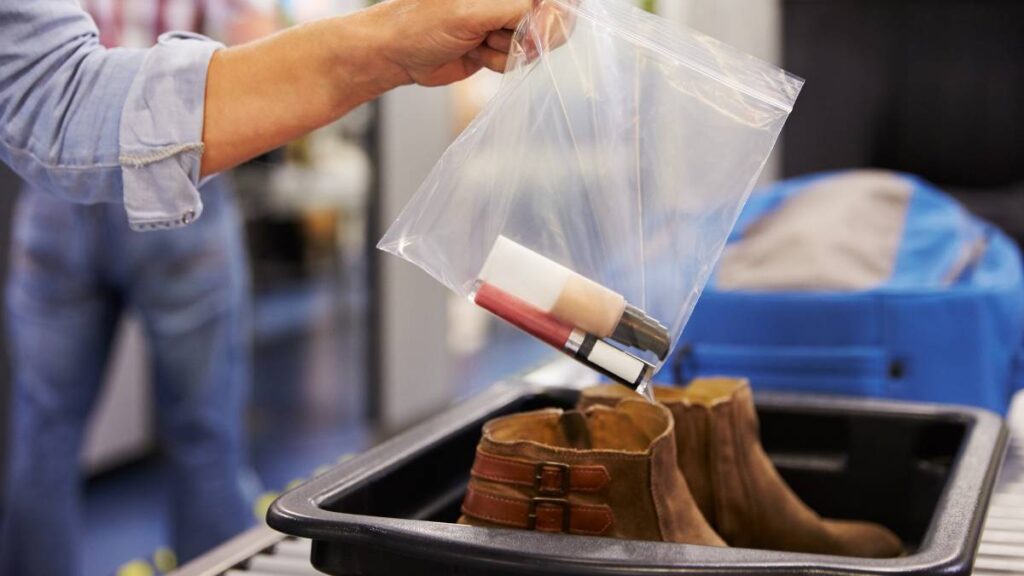
- Carry at least one backup set of document copies inside a ziplock bag inside your main luggage for ultimate travel document protection.
- Label folders and digital files clearly using country names or trip dates. During frantic moments, clear labels save time and prevent mix-ups.
- Pocket-size travel safes offer firm, compact protection for documents if you must leave items in hotel room safes temporarily.
Every storage choice signals that your papers matter—and you’re two steps ahead of risk.
Splitting Storage Locations Reduces Catastrophe Risk
Distribute originals, copies, and scans among different bags, companions, or even belt buckles with stash pockets for true travel document protection redundancy.
If one stash gets lost or stolen, you haven’t lost everything—a single event doesn’t erase your identity on the road.
- Place copies in a checked bag, while keeping originals in your carry-on, so you remain covered if one bag vanishes.
- Tuck one set of document scans in a partner’s daypack; brief them calmly on finding and using them if needed.
- Hide a single-page scan behind a wallet photo, which gives you a surprising secret backup nobody else recognizes as important.
- Use leg wallets on flights when you’re likely to nap, less visible but still within your reach for extra security.
- Transfer copies to an encrypted USB stick on a keychain, and memorize which pocket it lives in for quick retrieval.
Each method insulates your travel document protection from a single mistake or event.
Rehearsing for Document Loss Builds Real Confidence
Pretending you’ll never misplace, spill on, or be separated from documents doesn’t help. Plan realistic responses to document loss for practical travel document protection.
When the mind rehearses a replacement process or exit plan, panic drops and action flows more smoothly under stress. Try mental walk-throughs before each leg of your journey.
Script Essential Phrases for Emergencies
Memorize lines such as, “My passport is missing. Here’s a copy and a digital scan,” and practice them in front of the mirror. Calm, clear speech speeds up help.
In embassy lines or at consular windows, present documents confidently, ready to show both physical and digital forms. Stand tall, make eye contact, and refer precisely to missing titles.
If challenged at a hotel: “I’ve lost my travel documents, but here’s the police report and digital backups. What can you do to assist me in checking in?”
Know Your Country’s Consular Backup Process
Scan your embassy’s lost document instructions before you board the plane: most embassies list full checklists, contact numbers, and replacement schedule specifics online.
Print out this page, tuck it with your backups, and highlight the consular address and emergency numbers for your arrival country. You’ll save time if you need urgent replacement or advice.
At home, run through the embassy phone tree on speaker while packing—just to hear the prompts before you have to use them under pressure.
Smart Preparation Makes Document Security Second Nature
Document organization, smart storage, and practical rehearsals transform travel document protection from stress to simple habit. Stepwise routines become seamless, even in chaotic moments overseas.
Developing these skills before departure means you enjoy experiences, not bureaucracy. Reliable travel document protection ensures your journey’s focus stays squarely on discovery, not on recovery attempts.
Carry out the checklists, add backups, and keep confidence high—then make travel just about the memories, not the mishaps. Copy these steps for stress-free trips every time.