You step off a long flight, energized by a new city yet exhausted in all the wrong ways. Getting back on your feet isn’t just about willpower—it’s about smart micro lifestyle skills. For travelers, jet lag recovery tricks aren’t luxury; they’re necessity, helping you make the most of every single day abroad.
Crossing several time zones throws off your internal clock, leaving your body craving sleep or alertness at the wrong times. Jet lag recovery strategies can quickly bring your energy and focus back online, whether you’re chasing an important meeting or exploring fresh streets for fun.
Let’s dig into actionable, evidence-based jet lag recovery tactics that genuinely work. This guide blends expert habits, quick wins, and step-by-step skills to help you stop wasting daylight and start thriving in your destination, wherever your passport leads you.
Syncing Your Body Clock Before Departure Means Easier Jet Lag Recovery
Resetting your body’s clock before you fly can make arrivals feel like waking up from a nap, rather than slogging through a fog. Tweak meal and bedtime routines as soon as your ticket’s booked.
Small changes in the days before departure let your internal rhythms anticipate the shift. Adjust your schedule in manageable increments—aim for a one-hour push per day.
Using Light to Shift Your Schedule
If you’re flying east, expose yourself to bright light early in the mornings at home. For westbound flights, soak up evening light. This adjust-your-light tactic nudges melatonin production at the right times.
Carry a lightweight LED travel lamp or use outdoor strolls, adding these to your carry-on. A five-minute lamp session before breakfast or post-dinner can shift your days subtly.
Think of light as the volume dial for your internal clock—go brighter early when heading east, later when heading west. This micro adjustment seeds faster jet lag recovery once on location.
Pre-Flight Sleep Prep Micro Habits
Start winding down an hour earlier each night, using low-light and relaxation cues. Put away screens, opt for a warm shower, or use a mellow playlist to cue drowsiness.
Eat your dinner a bit earlier or later, tracking when you feel naturally tired versus alert. Log your mood and energy level to spot patterns before your trip.
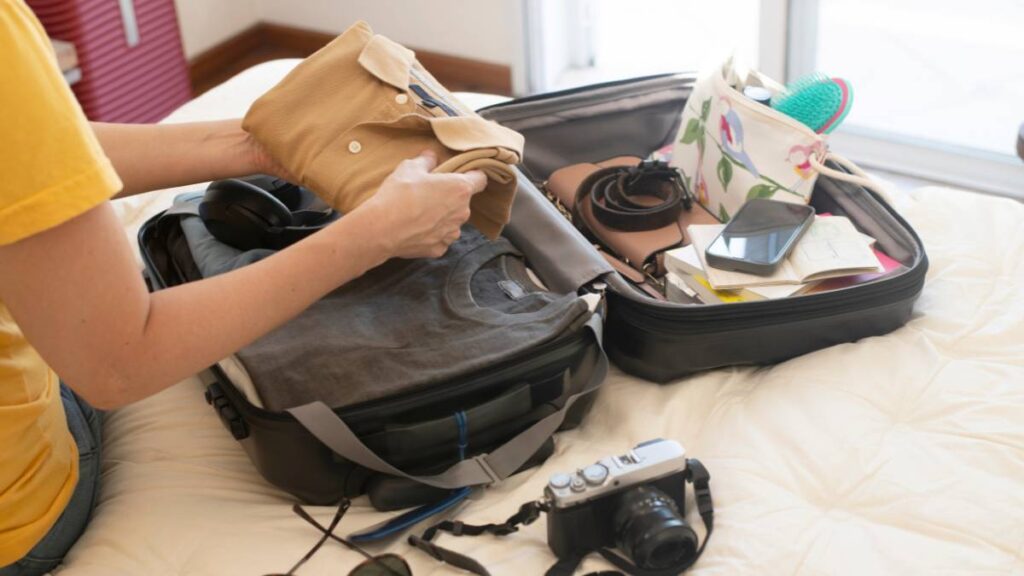
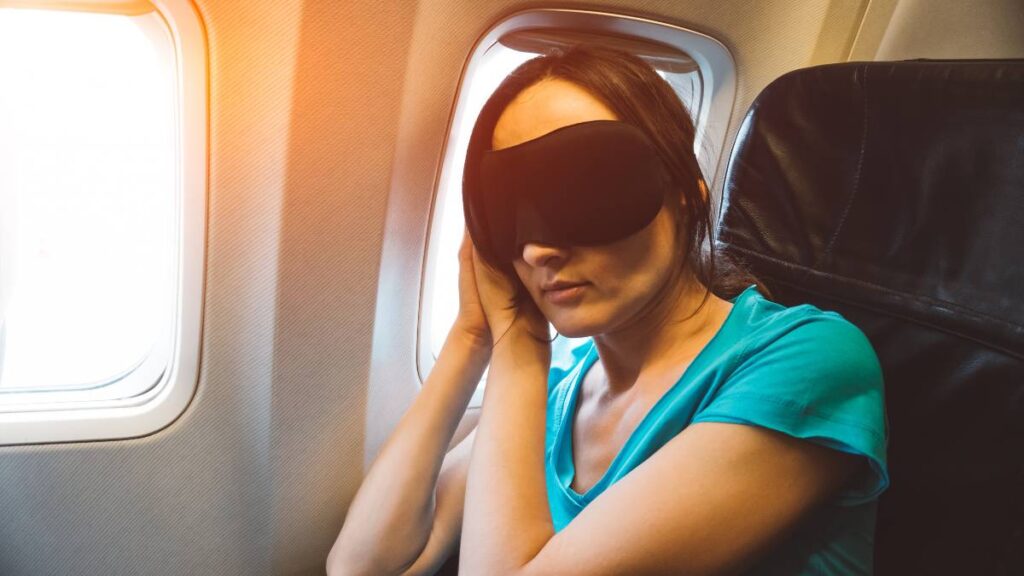
Pack a blackout eye mask and earplugs—you’ll use these on the flight and in a new hotel, so run a “mini trial” at home first. This makes your jet lag recovery routine feel familiar on landing.
| Adjustment Strategy | When To Start | Travel Direction | Actionable Step |
|---|---|---|---|
| Advance Bedtime | 3 days prior | Eastbound | Go to bed 30 minutes earlier each night |
| Delay Bedtime | 3 days prior | Westbound | Stay up 30 minutes later each night |
| Morning Light Exposure | 2 days prior | Eastbound | Use bright light upon waking |
| Evening Light Exposure | 2 days prior | Westbound | Walk outdoors post-dinner |
| Meal Timing Shift | 4 days prior | Both | Eat meals closer to destination schedule |
Smart Hydration and Nutrition Speed Up Jet Lag Recovery Gains
Boosting hydration and nutrition the right way keeps energy up and fatigue down. It’s not just what you drink and eat, but when and how. Details matter for faster recovery.
Starting your flight fully hydrated makes jet lag recovery easier. Small sips over big gulps work—elevate your water intake by at least 25% the day before you fly.
Sustaining Energy Through Balanced Meals
Choose nourishing, slow-release carb meals the evening before and during your flight—think oats, brown rice, and lean proteins. Avoid sugar-packed snacks that spike then crash your energy.
- Select complex carbohydrates, like whole grains or legumes. These help maintain stable blood sugar, giving your body a foundation for steady jet lag recovery after landing.
- Eat moderate amounts, avoiding heavy, greasy food that can disrupt digestion and make rest harder. Your goal: wake refreshed, not bloated, for a productive first day.
- Add colorful vegetables for fiber and micronutrients, supporting immune balance after a long flight. Raw bell peppers, cherry tomatoes, or baby carrots are travel-friendly.
- Keep nuts and seeds handy. Unsalted almonds, pumpkin seeds, or walnuts travel well and provide lasting energy with minimal mess in a carry-on pouch.
- Skip alcohol or sugary sodas, both of which sabotage hydration and sleep. Stick with still water, herbal teas, or low-acid juices to reduce bloat and dehydration risk.
Savor each bite, eating at the pace you’d expect at home. Intentionally slow eating cues your brain to digest properly, reinforcing effective jet lag recovery habits without stress.
Hydration Micro-Schedule for Travelers
Start the day you travel by drinking a full glass of water when you wake. Bring a refillable bottle post-security and sip every half hour from boarding to landing.
- Fill your bottle at every airport stop. Refill at layovers, using airport water stations, to prevent accidental slips in hydration.
- Avoid caffeine close to arrival at your new destination, as it may disturb quality rest. Opt for water or warm herbal tea instead. This helps reboot your body’s rhythm.
- Ice cubes can slow hydration absorption for some people—request room temperature water in-flight. This speeds up jet lag recovery by easing digestion and absorption.
- If you feel a headache or dry mouth, it’s a sign to double your sips, not just sip a little more. Frequent reminders through alarms or travel apps can reinforce this habit.
- Carry electrolyte packets for longer flights; mix one into your bottle post-landing to replace lost minerals. This keeps energy up for sightseeing or business meetings on day one.
Keeping a simple hydration and meal log in your phone can build accountability, turning jet lag recovery skills into second nature for every trip ahead.
Efficient Sleep Strategies That Reset Your Energy Fast
The fastest jet lag recovery hinges on sleep skills—small steps, practiced consistently, can put you ahead of that sluggish fog. Adjusting where and how you nap pays dividends immediately.
Different destinations call for different sleep approaches, so knowing your travel goals—business, adventure, or rest—guides the timing and type of sleep you get.
First-Night Wind-Down Routines for Fast Reset
Upon arrival, immediately set your watch and devices to local time, then act as though you’re already “in the day”—even if you’re tired. Breathe deeply to ground yourself in this new rhythm.
Take a brisk, five-minute walk outside, using natural light and movement together to signal wakefulness. This is the first building block in an effective jet lag recovery series.
If you arrive after dark, replicate your home bedtime wind-down: dim lights, use meditation apps, or listen to relaxing music. Consistency makes it easier for your body to adapt quickly.
Making Short Naps Count Without Sabotaging Nighttime Sleep
If you’re struggling to stay awake, a quick, 20-minute nap (set a timer) will boost alertness without derailing your night’s rest. Find a quiet spot where you won’t melt into deep sleep.
Keep naps under 30 minutes when adjusting to a new time zone. Use an eye mask or light-blocking curtain to help you doze, but set an alarm to prevent grogginess from a longer nap.
Stand up immediately after your nap and drink a glass of water. Stretch your arms overhead to reactivate your body. With this micro skill, jet lag recovery gets a precision boost.
Seamless Jet Lag Recovery Starts with Everyday Skills
Consistent, small habits before and during travel translate into faster jet lag recovery, making your arrival more productive and enjoyable right from the start. Fine-tune your routines for each trip and destination.
These micro lifestyle skills—timely light exposure, smart hydration, targeted nutrition, and strategic sleep—let your body recover at record speed. With practice, you can slip quickly into local time and maximize every adventure or workday.
Every trip is an opportunity to dial in your jet lag recovery approach. Plan ahead, experiment with these micro skills, and discover what mix gets you to feeling your best by the time you drop your bags at your hotel.
Frequently Asked Questions
What’s the single fastest way to reset after a long-haul flight?
Expose yourself to natural sunlight as soon as you arrive, and get moving outdoors. This simple combo signals your body it’s time to adjust, fueling your jet lag recovery right away.
Should I force myself to stay awake until local bedtime?
Aim to push through, but take a short 20-minute nap if you feel your eyes closing. A healthy compromise keeps you functional and supports long-term adjustment.
Is caffeine useful for jet lag recovery?
Caffeine can be helpful in moderation, but avoid it within six hours of planned sleep. Choose green tea or coffee early in the day to boost alertness without interrupting your rest.
When should I start shifting my sleep schedule?
For the best jet lag recovery, start adjusting your bedtime and wake time three days prior to departure. Even small changes will help smooth the transition when you land.
Which foods are best for jet lag recovery while flying?
Choose complex carbohydrates, fresh fruits, and nuts—these are easy to digest and offer lasting energy. Avoid heavy meals, sugary treats, and alcohol, which increase dehydration and fatigue.