
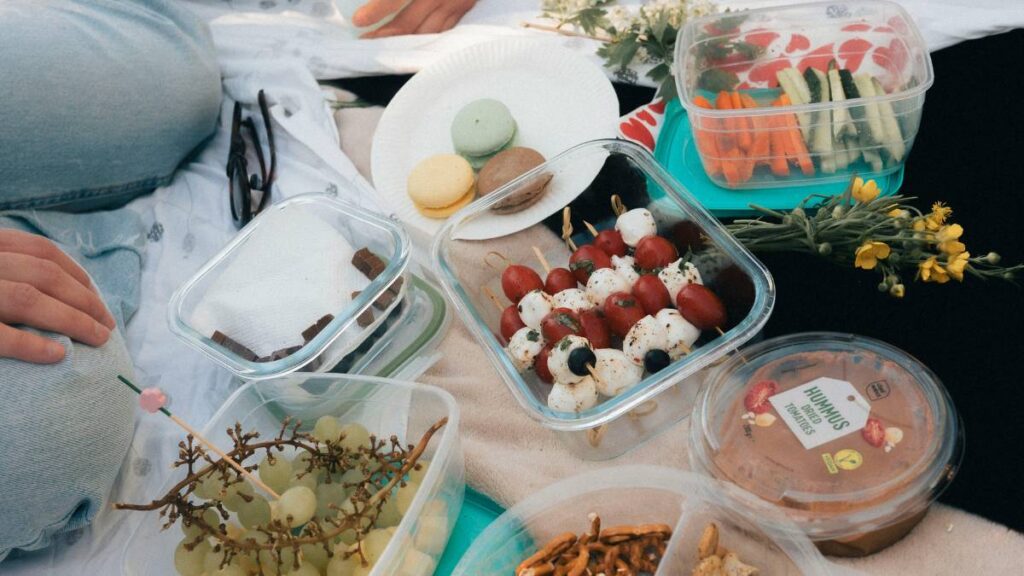
Suitcase open, you glance at your stack of energy bars and nuts, wondering which snacks will actually endure a long flight. Anyone who’s experienced stale pretzels at 38,000 feet realizes the true value of good travel snacks packed thoughtfully.
Choosing wisely impacts more than just flavor. Long periods without reliable food mean travel snacks can turn a tedious journey into a smooth experience. Airlines might serve meals, but delays, missed connections, or bland options make self-catering essential.
If you want to land alert and satisfied, investing in micro lifestyle skills like curating nourishing travel snacks is crucial. This article offers actionable tips, tested tactics, and realistic examples to level up your in-flight snack game.
Build a Snack Strategy for Endurance and Convenience
You can avoid hunger, messy bags, and food waste mid-flight by planning a travel snacks strategy in advance. A deliberate approach means more satisfaction and fewer regrets at 30,000 feet.
Set aside 10 minutes the day before your trip to assemble a snack lineup that meets your preferences and endurance needs. Rushed decisions lead to leaky hummus or smushed sandwiches—nobody wants that mid-flight surprise.
Prioritize Reliability Over Novelty
Smart snackers weigh reliability first. Picture pulling out individually wrapped almonds, dried fruit, and firm granola bars—their shelf-stability ensures they survive unexpected delays or transits without refrigeration.
Familiarity matters: a go-to trail mix or a favorite jerky removes guesswork. Avoid trendy health foods with short shelf lives. A traveler once said, “I stick to nut packs and dried mango, never cheese crisps—they always melt or get soggy.”
Memorize your core trio and rotate them. Use this as your packing rule: grab only what withstands a stuffy cabin and shifting bag positions. This consistency pays dividends on multi-leg trips.
Balance Protein, Carbs, and Fats
Good travel snacks combine at least two out of these three: protein for satiety, carbs for energy, and fats for lasting fullness. For example, pair roasted edamame (protein) with rice crackers (carbs) and a few nuts (fat).
One frequent flyer carries beef jerky, fruit strips, and seeds. She says, “By the final movie, I’m not shaky or hungry because I mixed hearty and light snacks in my bag.”
Create a small checklist: for every snack, ask, “Does this cover at least two nutrient bases?” This elevates your snack game instantly, helping avoid slumps after in-flight meals.
| Snack Type | Longevity | Mess Factor | Best For |
|---|---|---|---|
| Roasted Nuts | High | Low | Mid-flight energy, easy cleanup |
| Dried Fruit | High | Low | Sweet cravings, fiber boost |
| Granola Bars | Medium | Medium (crumbs) | Quick meal replacement |
| Jerky | High | Low | Savory protein hit |
| Fresh Fruit | Low | High (juicy) | Short flights only |
Efficient Packing Tricks That Eliminate Mess
This section arms you with tangible routines so your travel snacks stay intact—not flattened, sticky, or hard to reach. Treat packing your snack supply as you would storage at home.
Think in layers. Neutral zip pouches, small food-safe containers, and even pill box dividers transform scattered snacks into orderly, grab-and-go portions within your carry-on.
Use Reusable Containers Wisely
Small, leakproof containers handle nut butters, hummus, or grapes with ease. Divide portions before you travel. Always test the lid’s seal by giving it a shake over your sink first—no surprises mid-flight.
- Pack nut butter in a 2oz leakproof jar to avoid TSA confiscation and sticky mishaps.
- Choose silicone snack bags for dried fruits to keep them fresh and compressed.
- Opt for stackable tins for candies or gum to maximize space and prevent squishing.
- Label containers for quick access: “savory,” “sweet,” or “energy.” This streamlines snack breaks during turbulence when you need travel snacks fast.
- Keep a foldable, compact trash pouch. Toss wrappers and fruit pits away neatly, preventing mess and odors in your carry-on by touchdown.
Choose containers that fit together like puzzle pieces. Stack vertically at the top of your bag for quick retrieval without disturbing heavier items deeper within.
Segregate Wet and Dry Snacks
Reserve separate zip bags for items like grapes or carrots vs. pretzels and chips. Moisture from one can quickly ruin the crispness of another.
- Wrap cucumber slices in dry paper towels before zip-bagging. This prevents dampness from seeping to other travel snacks.
- Stash granola bars in a side pocket away from fresh fruit. That way, even a squished orange won’t soak your oat snacks.
- Mix only dry nuts, seeds, and crackers together; keep anything sticky or juicy firmly compartmentalized.
- When prepping, rehearse: “Do wet and dry each have a separate spot?” This singles out mistakes before departure.
- If in doubt, double-bag: one sealed bag for each snack group inside a larger pouch, so rogue banana peels never mingle with trail mix again.
Start assembling snacks beside your carry-on. Confirm each bag’s contents by pressing gently—no leaks, no loose crumbs. This habit saves headaches at 38,000 feet, especially during turbulence.
Scenario-Driven Choices Make All the Difference
Matching your travel snacks to the exact flight scenario leads to fewer regrets. A solo overnight haul calls for a nutrient-dense supply, while family day trips benefit from shareable, mess-free bites.
Visualize your journey’s pain points: long layovers, unpredictable meal service, or cramped seating. Each phase requires snacks with the best shot at withstanding environmental shifts and hunger spikes.
Packing for Red-Eyes vs. Day Flights
Red-eye flights demand compact, quiet travel snacks that won’t disturb fellow passengers or drip during dozing. Think softly wrapped bars, dried fruit, and nut packets in a side pocket for easy access.
For daytime trips, a wider range of options works—crackers, jerky, and even sturdy fresh fruit. Morning flights often mean skipping breakfast, so pre-portioning breakfast granola saves time and prevents stomach grumbles.
One traveler noted, “My go-to for 6 a.m. departures: oat bites, hard cheese, and apple slices, all ready in labeled pouches.” Add a travel utensil if you pack yogurt or creamy dips.
Managing Hunger on Long Layovers
Layovers with uncertain airport options call for double the variety. Include travel snacks that won’t expire: shelf-stable protein bars, rice cakes, or single-serve nut packets partnered with water.
If your layover exceeds three hours, pack one main snack for that gap, plus a bonus option should delays stretch even longer. “I never skip a backup energy bite,” said a seasoned business flyer.
This approach avoids concession-stand prices and keeps energy steady when timelines shift. Always set a calendar reminder on your phone to top up food supplies during connections on multi-leg flights.
Flavor, Comfort, and Satiety: Crafting Personal Snack Packs
Customizing your own travel snacks selections yields payoffs in morale and comfort. Knowing your perfect crunch-to-chew ratio, favorite seasoning (sweet, spicy, or salty), and portion size saves time and keeps moods steady.
Choose packable foods that taste as good at altitude as they do at home. Some folks prefer pumpkin seeds with chili dusting or cocoa-dipped almonds for a rewarding, sensory boost mid-trip.
Balance Variety and Familiarity
Don’t gamble with entirely new snacks. Mix trusted favorites with one or two small, novel additions. “I bring ginger chews for turbulence but stick to classic peanut granola bars otherwise,” shared an anxious flier.
Familiar travel snacks serve as a comfort signal when stress peaks. Keep portions realistic. If you travel light, keep novelty items to trial sizes so they don’t waste precious space if they disappoint in flight.
Organize each combo in labeled bags—“energy”, “treat”, or “hearty”—underscoring your preparedness for every mood. Recreating the cozy snack setup from your kitchen builds calm, even an ocean away from home.
Addressing Dietary Needs on the Fly
If you follow dietary restrictions, plan and label travel snacks accordingly. Check product labels for allergens. Keep gluten-free, nut-free, or vegan treats segregated from standard snacks to avoid mistakes.
Bring allergy information cards if traveling internationally. This extra detail prevents customs confusion or missteps with airport security. “I keep an index card that explains my gluten allergy in different languages,” one world-traveling celiac reported.
Always pack extra: a dedicated pouch with two servings of your specialty snack shields you if delays extend, meal choices disappoint, or transit rules change unexpectedly on the way.
Simple Routines to Replenish and Rotate Snacks Quickly
Rapidly restocking your supply means you never run out of travel snacks, even on back-to-back flights. Use a system you’d apply to refilling a desk organizer—check, replace, repeat.
The most sustainable snackers reserve a shelf or drawer for travel-only snacks, rechecking before each trip to swap expired or damaged items with fresh packs.
Use Expiry Dates and Portion Counting
Every three months, revisit your reserve. Examine expiry dates and portion sizes to make sure nothing stale sneaks into your bag. This ten-minute habit saves you from tasteless, stale snacks on long journeys.
Place earlier-expiring items up front for easy grabbing before each trip. “I always jot the date on snack baggies,” says one frequent flyer, who avoids accidental bites of overaged crackers.
Count out the number of servings you expect to use per flight. For an eight-hour haul, three different snacks per passenger covers both main cravings and boredom-induced munching.
Travel Snack Refill Table
| Snack | Refill Frequency | Signs to Replace | Pro Tip |
|---|---|---|---|
| Granola Bars | Monthly | Soft, sticky, crushed | Rotate flavors to prevent taste fatigue |
| Nut Packets | Bi-monthly | Stale odor or rancid taste | Buy in small sealed bags, not bulk |
| Jerky | Quarterly | Dried out, brittle, hard | Opt for nitrate-free options to lessen fatigue |
| Dried Fruit | Quarterly | Hard texture, dark color | Choose unsweetened to keep sugar lows at bay |
| Rice Cakes | Monthly | Soggy, lose crispness | Store with silica gel packet if humidity is high |
Conclusion: Ensuring Snack Success on Every Flight
Practicing these micro lifestyle skills ensures your travel snacks survive and satisfy every trip you take. Reliable snacks matter even more as global travel evolves and flight routes grow longer and less predictable.
Investing just 15 minutes in planning, packing, and labeling makes your inflight nutrition as seamless as your favorite podcast playlist. Efficient snack routines save time, eliminate messes, and keep moods lifted far above the clouds.
By using this systematic approach, your snack supply becomes a dependable travel companion. Next flight, lean on these habits—and watch how small but thoughtful snack choices improve your journey, bite by bite.
Frequently Asked Questions
What foods are not allowed as travel snacks on flights?
Solid snacks are generally allowed, but avoid items with liquids over 3.4 ounces, fresh produce on international flights, and foods with strong odors. Always check the TSA and specific airline policies before packing.
How should I pack fresh fruit for long flights?
Pack only sturdy fruit like apples or grapes, and wrap them in a paper towel inside a zip bag. Avoid citrus or berries that can mush. Label snacks, and use a separate container for peels or pits to keep things tidy.
Which travel snacks help avoid jet lag?
Choose snacks high in protein, slow carbohydrates, and a little healthy fat. Items such as nuts, jerky, or oatmeal bars maintain energy levels, stabilize blood sugar, and avoid post-flight crashes unrelated to time zone shifts.
How can I keep snacks from getting crushed in my carry-on?
Pack snacks in a small hard-sided box or layer with clothes for cushioning. Store fragile items at the top or side pockets where they won’t be pressed by heavy items or other gear during luggage handling.
Can I bring homemade travel snacks through airport security?
Homemade snacks are permitted if they’re solid (like muffins or sandwiches). Avoid anything spreadable over 3.4 ounces or containing liquids like yogurt. Clearly wrap and label them to ease inspection at the security checkpoint.