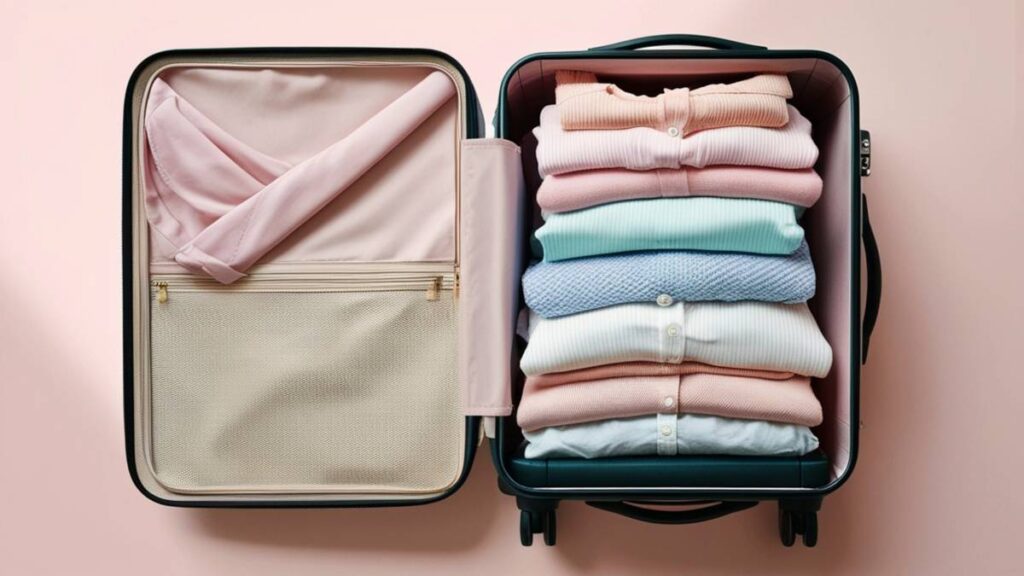
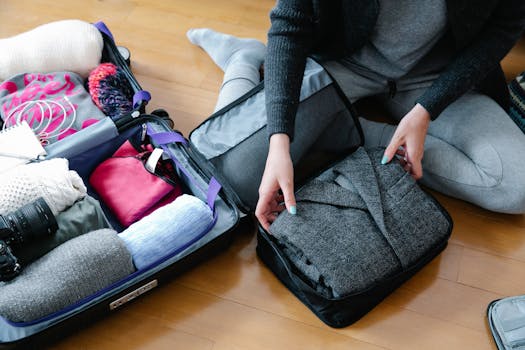

The moment you start lining up your gear for a trip, the difference comes down to how smart you pack. There are packing cubes, loved by many for their ease, sitting on one end of the spectrum. Compression bags challenge them fiercely when chasing smaller luggage profiles.
Choosing between packing cubes and compression bags isn’t about owning more stuff or packing faster. It’s a micro lifestyle skill that influences daily convenience, stress, and how you get dressed on day three in an unfamiliar place. Their strengths and weakness directly impact how travelers navigate airports, hotels, and tiny guesthouse closets.
This breakdown is for those ready to elevate their travel experience. Stick around for practical rules, actionable examples, and micro habits that can change your packing routine with just a handful of packing cubes, compression bags, or both.
Spotting the Real Differences: Packing Cubes and Compression Bags in Action
When you can identify what each tool does best, you’re ready to decide which belongs in your luggage. Packing cubes make order visible; compression bags maximize every spare inch. Their roles feel similar on the surface but differ sharply in execution.
On a four-day city trip with unpredictable weather, you’ll want to keep clean shirts crisp, socks findable, and daytime clothes separate from sweated essentials. Packing cubes let you create mini-drawers in your suitcase so nothing migrates. In contrast, compression bags squeeze bulky items by removing the extra air, trimming down the overall footprint inside your carry-on. Both excel when you clearly define the goal for each trip.
Visual Order: Everyday Scenario with Packing Cubes
Picture packing for a conference. You lay out shirts, pants, socks, and accessories. Packing cubes let you grab the right outfit without rummaging, keeping everything folded and neat after a bumpy train ride.
This method mirrors using small baskets for home storage. Just as toy bins keep Legos sorted from crayons, packing cubes prevent your workout clothes from tangling with dress shirts or toiletries.
The result: less morning stress. A traveler relying on packing cubes can open their bag, spot what they need, and get out the door quickly. If you pack the night before, you’ll appreciate finding your clothes undisturbed during frantic mornings.
Compact Footprint: Compression Bags on Long Adventures
Compression bags act like vacuum storage for the road. Lay in bulky jackets, zip it up, press or roll to push out air, and your puffer shrinks to half its size. It’s direct and dramatic.
This tactic means you can fit a week’s worth of chilly-weather gear in hand luggage. Imagine arriving to a last-minute trip with all your down jackets and fleeces already zipped into thin panels, making space for souvenirs on the way home.
Compression bags shine for hikers, skiers, or family trips where everyone brings an extra sweater. You sacrifice quick access for sheer space—useful in any scenario where bulk beats convenience.
| Feature | Packing Cubes | Compression Bags | What To Do Next |
|---|---|---|---|
| Best For | Organization and daily access | Bulky items, maximizing space | Match the tool to your trip style and gear |
| Downsides | Don’t reduce size of bulky clothing | Harder to get items in/out quickly | Consider what matters more: order or total space |
| Flexibility | Easy to re-pack, sort on the go | Requires full unpack to reach specific item | Choose cubes for short trips; bags for longer, gear-heavy travel |
| Protection | Keeps items separate but not fully waterproof | Can be airtight, good for rain-prone trips | Select bags for outdoor or adventure travel |
| Reusability | Withstand frequent use, easy to clean | May wear with repeated rolling/pressing | Rotate bags, inspect before every big trip |
Choosing the Right Tool: Rules for Travelers by Trip Type
Selecting between packing cubes or compression bags comes down to specifics: length of stay, clothing bulk, and the type of travel. Matching the storage solution to the challenge makes packing lighter and more efficient.
If you frequently shift accommodations, packing cubes maintain structure. They work best when you’re unpacking and repacking daily, allowing you to keep essentials reliably sorted for daily routines. Compression bags excel on single-destination journeys, especially with unpredictable weather.
Checklist for Weekend City Breaks with Minimal Luggage
If you want to simplify TSA checks and avoid overpacking, packing cubes make small suitcases feel organized. They’re ideal when you’re living out of your bag, not from drawers.
- Sort daily outfits, from socks to tops, so you can grab and go without shuffling.
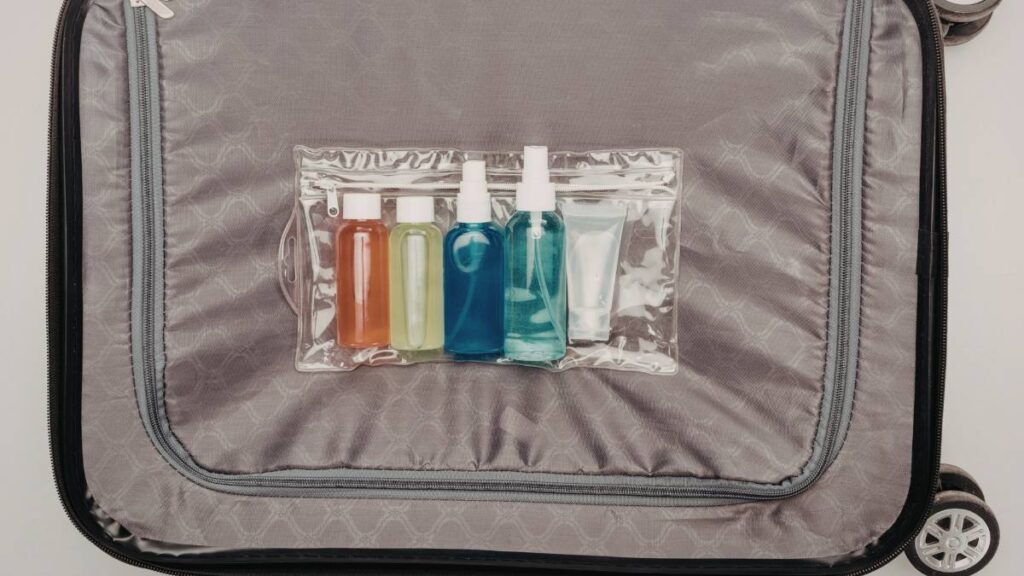
- Pack a slim cube for toiletries, separating liquids from delicates for quick inspection.
- Put tech gadgets in a dedicated cube to prevent tangling and scratches.
- Roll and stack wrinkle-resistant shirts to keep them presentable without ironing.
- Dedicate one cube to dirty laundry, making repacking easy and hygienic when returning home.
This method builds a repeatable habit: pack, unzip, use, and re-pack in minutes when moving between hotels or catching a quick flight.
Compression Bag Essentials for Outdoor and Adventure Packing
Compression bags earn their keep when you need to carry extra warmth, rain gear, or cold-weather clothing on a multi-stop journey. Protecting puffy, space-consuming gear saves time and money on checked luggage.
- Load thick sweaters, jackets, and extra base layers to free up valuable suitcase space.
- Use bags for wet or muddy gear, preventing soggy clothes from touching the clean ones.
- Compress high-volume, low-weight items, which is especially useful for winter trips.
- Keep spare bedding or towels in airtight bags when camping or traveling through unpredictable climates.
- Mark each bag with a sticky note for quick identification on arrival at your destination.
With minimal fuss, this strategy turns any small backpack into an adventure-ready, organized travel companion for demanding outdoor activities.
Optimizing Packing Strategies with Everyday Micro Habits
Creating a micro routine for organizing your suitcase means less hassle when switching hotels or making last-minute airport dashes. Packing cubes support these routines naturally, building order and reliability into every stage of your journey.
Compression bags, when integrated into micro habits, change how you pack seasonal items or gear for remote destinations. Over time, quick pattern recognition helps frequent travelers decide instantly how much space—and time—they’ll need to pack efficiently.
Analogies for Everyday Habits
Using packing cubes is like having labeled bins for household clutter: you know where the charger or remote goes, and it’s quick to put away. The same logic builds packing discipline.
When every t-shirt, sock, and toiletry has a home, daily unpacking and repacking feels systematic. Packing cubes take guesswork out and create a simple, calming structure that’s easy to stick with.
Try ending every packing session with, “Dirty in the orange cube, fresh in the green.” This chant keeps even a rushed traveler from jamming clothes randomly and forgetting what’s clean.
Integrating Compression Bags Into Seasonal Packing Habits
Compression bags mirror the logic of winterizing closets: when weather changes, bulky coats vanish into airtight storage, ready for the next season. This tactic lets you carry off-season clothes or transition-season pieces without waste.
Make it a habit to pre-label compression bags by contents and destination. It means a quick grab and outfit change mid-route if you’re transitioning from the mountains to a beachside town.
Swapping out items at transit points or between short stays becomes more efficient, making you less likely to forget gear and more likely to enjoy spontaneous side trips fully prepared.
Decision Loops: Building Skills for Every Trip
Packing cubes prioritize access, daily order, and easy transitions for travelers who want to streamline their routines. Compression bags elevate the experience for those managing space and bulk, showing how small changes in packing tools can reflect larger travel skills.
Their value multiplies with use. Each trip spent reaching for neatly sorted cubes—or a tightly compressed winter jacket—reinforces packing as a micro lifestyle skill, shaping your future travel habits and confidence.
Once you define what each trip demands, you can combine storage strategies. Packing cubes and compression bags together ensure that whether you’re hopping cities or scaling mountains, your gear is always ready and stress stays low.
Frequently Asked Questions
Can I use both packing cubes and compression bags on the same trip?
Yes, combining packing cubes and compression bags optimizes both organization and space. For instance, store daily outfits in cubes and compress bulky outerwear. This hybrid system suits most travelers, especially for varied climates or multi-stop journeys.
Are packing cubes better for carry-on only travel?
Packing cubes fit most carry-on requirements and create structure for repeated access. They’re ideal if you’re often shuffling case contents or need to find essentials quickly in small spaces, like overhead bins or compact trunk spaces.
Do compression bags wrinkle clothes more?
Compression bags flatten fabric aggressively, so tightly packed clothes may wrinkle. Prioritize wrinkle-resistant items in these bags, and use packing cubes for items that must stay presentable, like business shirts or event attire.
How do I clean or care for my packing cubes and compression bags?
Most packing cubes are machine washable with regular travel laundry. Compression bags need gentle wiping and occasional airing out to prevent moisture buildup. Check for wear, especially in bag seals, before major trips for best results.
Will compression bags protect my clothing from rain?
Compression bags are typically airtight and resist moisture, providing an extra safeguard for clothing in wet environments. However, always double-check manufacturer instructions and reinforce with an external dry bag during serious outdoor adventures.