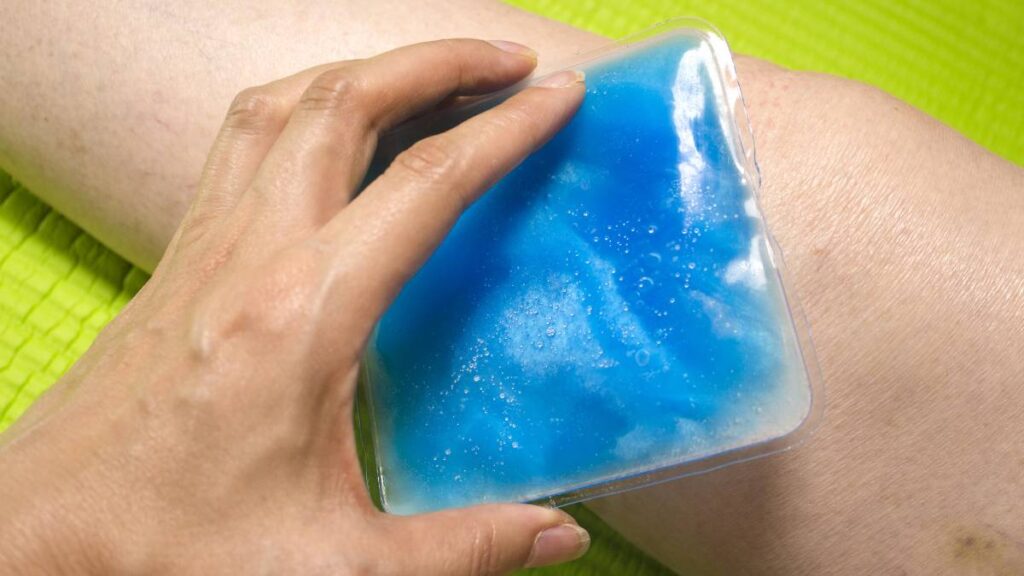
Rushing for store-bought ice packs in the middle of a minor crisis is rarely practical. Knowing how to whip up homemade ice packs from ordinary household items can diffuse the panic. Nobody enjoys scrambling for solutions when a bump, sprain, or ache appears out of nowhere, but a homemade answer often sits right in your freezer.
The ability to create homemade ice packs quickly is more than just a neat trick. It saves you money, reduces waste, and unlocks micro lifestyle skills that give you confidence during unexpected moments. This hands-on know-how is helpful for households with active kids, athletes, or anyone prone to everyday slips and mishaps.
This article digs into the essential strategies behind effective homemade ice packs, shares stepwise instructions, and compares the most reliable recipes with clear, real-life examples. Try these techniques to build your own DIY toolkit and confidently tackle those sudden injuries with everyday household supplies.
Quickly Reducing Swelling: Immediate Chilling Strategies for Any Home
You’ll gain a fast plan for using homemade ice packs to slow swelling and minimize bruising. Reusable options cut waste, while flexible formulas ensure coverage for knuckles, knees, or ankles.
For the fastest results, start with cool water and plastic bags for instant improvisation. Adding ingredients, such as rubbing alcohol or dish soap, changes your ice pack’s flexibility.
Choosing Everyday Items for Your First DIY Pack
Freezer bags found in most kitchens lay the foundation for a quick homemade ice pack. Aim for bags free of small leaks; double-bagging helps avoid accidental spills.
People often reach for frozen peas or corn for their flexibility. If those aren’t available, mix water with household rubbing alcohol for a semi-solid result that conforms to curves and limbs.
Plastic lunch containers also work, but limit flexibility. Soft bags feel more comfortable against bare skin—place a thin kitchen towel between the pack and skin to protect from frostbite.
Real-World Scenarios: First Responses at Home
Picture a scene: A teen slips playing soccer in the backyard and yells, “My ankle!” Instead of panicking, grab that cold bag of peas or whip up a homemade ice pack with water and alcohol.
A parent kneeling on the kitchen floor complains of a sore knee from scrubbing. Mix dish soap and water in a zip bag and freeze for a flexible, ready-to-go homemade ice pack that molds to the knee.
Family members can use this knowledge to respond confidently, using common supplies and simple phrases like, “Hold this here for 15 minutes.” Ice packs from home create a sense of calm during chaos.
| Recipe | Main Ingredients | Flexibility | What to Use It For |
|---|---|---|---|
| Pea Pack | Frozen peas, zip bag | High | Conforms to joints, reusable many times |
| Alcohol & Water | 2:1 water to alcohol | Flexible | Good for wrapping elbows or ankles, cold for longer |
| Dish Soap | Dish soap, zip bag | Very malleable | Ideal for fingers, delicate areas, bright colors for kids |
| Sponge Pack | Wet sponge, baggy | Soft, moderate | Perfect for bumps and mild bruises |
| Bottle Pack | Ice water in bottle | Rigid | Best for back of neck, quick to grab on-the-go |
Assembling Your Basic Freezer Kit: Practical Building Blocks
Create a simple freezer kit for homemade ice packs with items you already own. Reserve a spot in your freezer shelf; this cuts the scramble when unexpected injuries strike and ensures supplies stay organized.
Use separate bags for liquids like dish soap, water-alcohol, and freezer-stable fruits or veggies. Maintain two to three packs in rotation so there’s always one ready for use while another refreezes.
Set-Up Steps for a Ready-to-Go System
Stock your kit with quart-sized freezer bags, rubber bands, clean dish towels, and a permanent marker. Label each bag for easy recognition after freezing. Replace or refreeze as soon as one gets used.
- Prepare three frozen pea packs as standard backups, rotating them regularly to maintain freshness and flexibility for homemade ice packs, especially during sports seasons or backyard gatherings.
- Keep at least one water-alcohol pack and one dish-soap pack for high-flexibility needs—these mold instantly to joints or contoured body parts and stay cold longer than ice alone.
- Store a dampened, folded sponge in a sealed bag as an emergency option; it freezes quickly and provides a gentle chill for bruises, especially for young children.
- Include a lightweight kitchen towel in your kit for each ice pack, which helps prevent frostbite or direct cold burns when pressed to sensitive skin like wrists or cheeks.
- List all pack types and their locations on a freezer door note for fast grab-and-go use, teaching family members your micro lifestyle skill in a real scenario.
Staying organized ensures you can act immediately when a minor crisis happens, transforming homemade ice packs from an emergency scramble to a reliable lifestyle habit that delivers peace of mind.
Maintenance and Rotation Tips
Restock your kit after heavy use to avoid running out. Wash and dry bags between uses to prevent odors and keep your homemade ice packs as fresh as store-bought versions.
- Wash bags in warm soapy water to remove germs and avoid cross-contamination, especially if homemade ice packs touch food or hands during use.
- Rotate homemade ice packs every two weeks by moving older packs to the front and using them first, ensuring even freezing and avoiding pack deterioration.
- Replace cracked or leaking bags immediately to prevent messes and ensure safety; keep a stash of new freezer bags handy in a kitchen drawer for rapid swaps.
- Refill alcohol or soap mixtures as needed, following original ratios for consistent results. Mark pack creation dates using the permanent marker to keep track of freshness.
- Teach children and housemates where the kit is stored and how to use it, reinforcing these micro lifestyle skills until everyone can grab a homemade ice pack correctly.
A streamlined homemade ice pack kit lets you handle bumps and sprains like a pro, reducing delays and confusion when relief is needed most.
Customizing Your Ice Packs for Special Situations
Different injuries call for different types of homemade ice packs, so matching pack style to use case boosts comfort and healing. Being strategic avoids accidentally worsening soreness or failing to cool the right area.
For example, ankle sprains need a flexible pack that bends around bone, while a forehead bump works best with something soft that won’t add pressure or stiffness.
Adapting for Sports and Outdoor Mishaps
During backyard basketball or cycling, keep a few alcohol-based packs in a portable cooler. They’re reliable even on hot days and mold easily to shins and knees without leaking.
Swimmers running around the pool may slip, but a well-sealed dish soap pack is ideal for quick cooling, especially for young kids with tender skin. The smooth pack surface feels gentle but cold.
Labeling the packs “For Sports” or “For Kids” helps you grab exactly what you need during fast-paced moments, applying first aid in under a minute without extra thought.
Special Scenarios: Migraine and Jaw Pain
Migraines benefit from homemade ice packs with a cloth cover to avoid skin chills; tuck a flexible gel or soap pack under a headband for hands-free relief while you lie down.
Dental discomfort or jaw injuries improve with smaller, highly flexible packs—cut sandwich bags in half, fill with dish soap, and freeze. The extra-small size fits easily along the jawline or under the chin with no spill risk.
Teach family members to apply these custom packs with the phrase, “Ten minutes on, ten minutes off,” repeating as needed for comfort and swelling control.
Staying Safe While Using Homemade Ice Packs
Proper homemade ice pack use protects skin and nerves while delivering needed relief. Always use a protective barrier, set time limits, and check the pack often to avoid burns or numbness.
Never apply ice packs directly on bare skin for more than 15-20 minutes at a stretch or if you notice tingling or numbness. These rules reduce the risk of frostbite or unnecessary discomfort.
Critical Safety Reminders for Families
Place a folded towel between homemade ice packs and vulnerable skin, especially for children, seniors, or anyone with reduced sensation. Check every 10 minutes to ensure comfort.
Supervise children when they use homemade ice packs, and explain why it’s important to avoid open wounds. The goal is chilled relief, not exposure or direct contact with broken skin.
Replace melted packs with fresh ones as needed. Moisture between ice packs and skin can speed up frostbite, so dry thoroughly and keep watch during long applications.
Special Instructions for Sensitive Skin
Individuals with eczema, thin skin, or circulatory conditions require extra caution. Reduce contact time, use extra-thick towels, and avoid oversized packs that press too hard on small areas.
If you see a white or red patch forming, remove the pack at once. In these cases, homemade ice packs offer personalized control—you can adjust shape or softness on demand.
Families can set a phone timer as a micro lifestyle aid, teaching children the rhythm of safe application and encouraging independence in home care.
Eco-Friendly Choices for Sustainable Cooling
Homemade ice packs cut down on single-use plastics and chemical gels. Select reusable bags, natural sponges, and water-based ingredients to boost sustainability and keep micro habits in line with eco-conscious values.
Greener Materials That Last
Store-bought packs get tossed after a few uses, but high-quality freezer bags can last weeks, especially if gently washed and used with soft fillers like peas or gel beads from existing toys.
Natural sponges, wrapped in cloth and sealed, are compostable when worn out. Resealable glass containers filled with cold water can act as rigid but reusable options for headaches or back-of-neck use.
Twist-ties, cloth wraps, and old hand towels replace disposable plastic. These items reinforce habits that feel natural, combining micro lifestyle skills with eco-friendly routines for everyone in the family.
Comparison Table: Eco vs. Disposable Options
| Pack Type | Reusability | Environmental Impact | Next Steps |
|---|---|---|---|
| Homemade pea pack | Up to 20 uses | Low waste | Wash and reuse, compost peas after 10 uses |
| Water-alcohol bag | 10-15 uses | Moderate | Rinse and refill, replace bag when worn |
| Commercial gel pack | 5-7 uses | High waste | Switch to homemade for lower impact |
| Natural sponge | 15 uses | Compostable | Compost when needed, reuse bag |
| Plastic water bottle | As needed | Reusable | Refill and return to freezer |
Improving Home Preparedness with DIY Cooling Techniques
Building micro lifestyle skills around homemade ice packs prepares households for immediate response. These habits boost self-reliance, cut costs, and keep everyone safer, especially during busy or accident-prone days at home.
Once you create a freezer kit and teach household members the basics, responding to injuries becomes second nature. Having options for each body part and injury type increases the comfort and speeds up recovery at home.
Scenario: Coordinating Family Response
Imagine you hear a crash from the other room—your child runs in holding a swollen finger. With your ready kit, you pull a labeled, flexible pea or dish-soap pack and direct, “Hold this gently for ten minutes, towel in between.”
Consistent routines involve restocking packs and reviewing their location, which helps families take micro steps towards preparedness that grow into more substantial home safety habits over time.
This minimizes confusion and lets everyone focus on comfort and care without adding stress or frantic searching for supplies in the moment.
Scenario: Applying DIY Packs During Group Events
You’re hosting a small garden party, and a guest grazes their shin against patio furniture. Without missing a beat, you open your freezer kit, wrap a chilled homemade ice pack in a clean napkin, and hand it over with reassurance.
This ease and calm are contagious. Soon, others learn about your system, ask how it works, or help replenish packs after use. These small actions inspire positive shifts in everyday home life.
Sharing the knowledge with visitors or neighbors not only helps during gatherings but can prompt others to create their own micro lifestyle kits, spreading the benefit beyond your own household.
Confidence Through DIY Cooling: Final Thoughts on Ice Pack Micro Skills
Homemade ice packs offer practical, affordable relief and turn household basics into powerful first-aid solutions. Micro lifestyle skills like these give anyone the power to act quickly and calmly when minor injuries arise.
Building a DIY kit, understanding custom options for various needs, and reinforcing safe, eco-friendly habits increases comfort and saves time. These solutions also encourage independence and teach valuable care techniques to everyone at home.
Take the time to prepare and teach these micro skills. The next time a bump or bruise appears, you’ll be ready with homemade ice packs and the confidence that comes from self-reliance and thoughtful preparation.
Frequently Asked Questions
- Can I use any type of plastic bag for homemade ice packs?
Choose durable, freezer-safe bags to avoid leaks and spills. Double-bagging helps reduce mess and maintains flexibility. Avoid thin sandwich bags, as they can split when frozen or squeezed. - How long do homemade ice packs stay cold?
Most last between 15 and 30 minutes, depending on thickness and filler. Alcohol-based packs may stay flexible and cold for longer than straight water packs. Refreeze promptly after use for ongoing readiness. - Is it safe to use homemade ice packs for children?
Yes, with caution. Always insert a towel between skin and the pack and supervise application. Reduce exposure time on sensitive areas and check frequently to prevent discomfort or cold burns. - What’s the best way to clean packs after use?
Wash bags with warm, soapy water, rinse thoroughly, and dry before refilling or reusing. Replace bags that become worn, cracked, or develop odors for continued hygiene and effectiveness. - Are homemade ice packs better for the environment than store-bought?
They can be. Homemade ice packs reduce single-use plastics, rely on simple ingredients, and allow for composting or recycling components. Reusing bags and refilling packs regularly further lowers your environmental impact.