Cooking can bring family and friends together, but persistent kitchen odors can linger long after your last meal. Whether it’s garlic from last night’s dinner or the aftermath of frying fish, unwanted smells disrupt your kitchen atmosphere.
Managing kitchen odors goes beyond keeping your space clean; it’s about enjoying every part of your cooking ritual, including the freshness that greets you the next day. These skills aren’t just hygiene—they’re part of your daily micro lifestyle toolkit.
Explore this practical guide to learn surprisingly effective—and truly fast—ways to eliminate kitchen odors, with step-by-step habits and life skills that you can use today.
Set Up Rapid Ventilation Strategies for Instant Odor Relief
Open windows and adjust fans as your first micro habit to tackle kitchen odors. Airflow prevents stale air from settling and breaks up strong aromas before they linger.
Layering multiple sources of ventilation, such as range hoods with cracked doors or windows, helps redirect kitchen odors outdoors. Timing is key for noticeable, immediate results.
Use Cross-Breeze Techniques to Move Air Faster
Place a box fan facing out one window while opening another across the room. This setup pushes kitchen odors outside, carrying fresh air through for a rapid reset.
If there’s only one window, create a draft by opening a door in a distant room. Stand briefly in the airflow to confirm it’s moving kitchen odors away from your central space.
Combine cross-breeze and range hood power for a two-pronged attack. Odors lift and disperse, transforming the air within five minutes.
Deploy Home Exhaust Fans with Targeted Timing
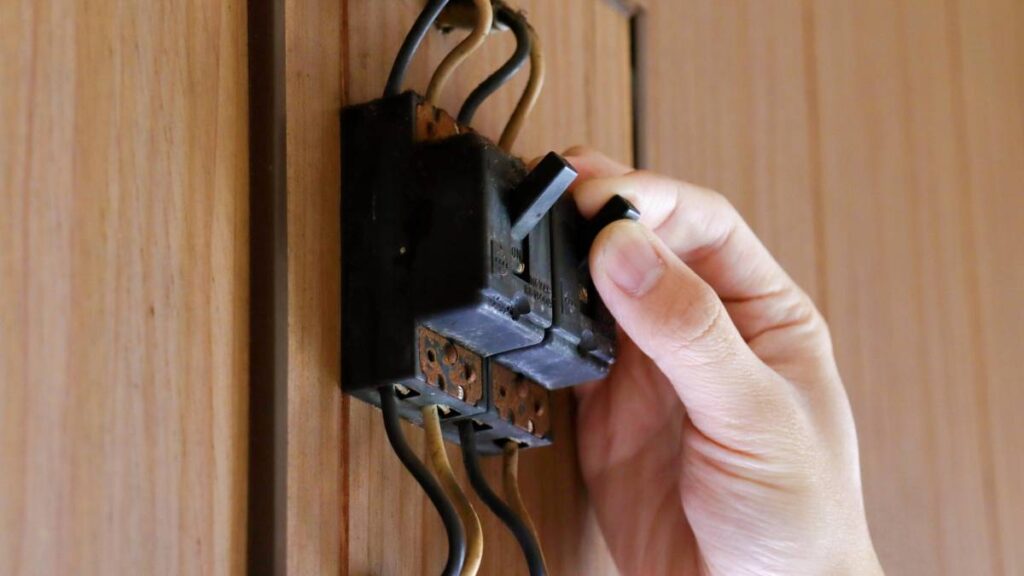
Switch on bathroom or utility room exhaust fans during heavy cooking, not just after. These secondary vents support your kitchen’s range hood, pulling kitchen odors toward safe exits.
Cycle fans for 15 to 20 minutes post-cooking while preparing to clean up. This habit prevents kitchen odors from embedding in walls or fabrics during downtime.
Create a simple log: record which methods clear your kitchen odors fastest. Use this micro data to turn good ventilation into an intuitive skill.
| Ventilation Method | Setup Speed | Best For | Action Step |
|---|---|---|---|
| Open Windows | Immediate | General Cooking | Leave 2 sides open during meal prep |
| Box Fan in Window | 1 min | Fried or Smoky Foods | Place fan facing outdoors after cooking |
| Range Hood | Automatic | Greasy & Steamy Tasks | Always turn on before starting stove |
| Bathroom Exhaust | 10 sec | Whole-Home Airflow | Run concurrent with kitchen use |
| Cross-Door/Ajar | Immediate | Persistent Lingering Smells | Prop doors to create clear airflow |
Prioritize Quick-Clean Surfaces to Stop Odors at the Source
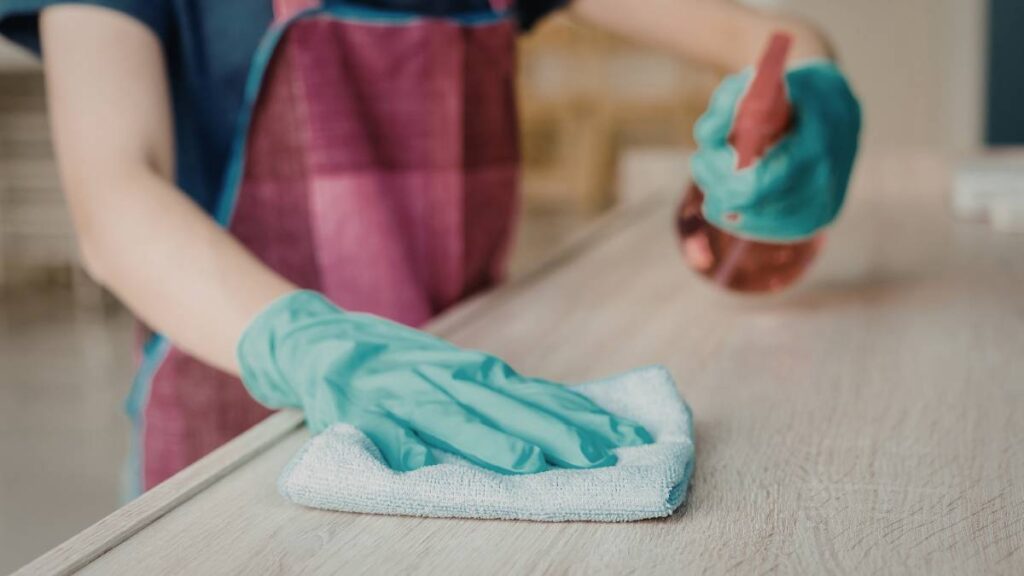
Wiping down core surfaces immediately after use physically removes kitchen odors before they take hold. Think of this as spring cleaning, done micro-style within minutes—no deep scrub required.
Keep dedicated microfiber cloths and gentle all-purpose spray by the sink. This gear encourages quick action, so kitchen odors don’t linger on counters, stovetops, or handles.
Check High Traffic Kitchen Spots
Scan the stovetop, cutting boards, sink, and microwave buttons. These areas trap food splatter, which then releases kitchen odors as the day goes on.
- Wipe down stovetop every night—clears spills that cause lingering leftovers
- Scrub sink strainer gently—removes particles and grease that retain odors
- Disinfect fridge handle—blocks bacteria growth, a key kitchen odors culprit
- Clean chopping boards—especially after cutting onion, garlic, or fish
- Polish microwave inside—removes splatters and avoids staleness
Immediate cleanup cuts off the main odor pathway, saving you deeper cleans later on.
Manage Odor Traps in Appliances
Empty your garbage can and compost after cooking to prevent trapped kitchen odors. If you use a dishwasher, keep the filter clean and inspect seals for food residue.
- Take out trash after prepping aromatic meals—removes the source before it spreads
- Clean refrigerator shelf liners—catch spills before they rot and cause kitchen odors
- Rinse dishwasher filter weekly—avoids musty or fishy smells when unloading dishes
- Wipe down oven door and rack—burnt-on food leaves strong kitchen odors with every use
- Vacuum behind appliances monthly—dust and crumbs combine to create mysterious smells
The key is consistent, tiny routines, each designed to intercept kitchen odors at their origin, before they linger and amplify.
Pilot Natural Deodorizing Tactics for Reliable Results
Status quo air fresheners mask, but don’t dissolve, kitchen odors. Replace these with pantry staples like baking soda, vinegar, and citrus for true odor elimination in your home life.
Think of this as resetting your kitchen’s baseline air quality after any aromatic event.
Apply Baking Soda in Strategic Positions
Keep an open box of baking soda behind the sink and in the refrigerator to absorb kitchen odors at the source. Refresh monthly to avoid odor fatigue and maintain full effectiveness.
Sprinkle a thin layer in your trash bin base on garbage day. This trick neutralizes any liquid leakage and stops kitchen odors before the can gets emptied.
For accidental spills, make a paste of baking soda and water. Apply, let dry, then sweep away residue to break up smell-carrying particles quickly.
Simmer Citrus Peels for a Fresh Reset
Save orange or lemon peels and cover with water in a saucepan. Simmer on low for fifteen minutes whenever kitchen odors start to build up around the stovetop.
Add a sprig of rosemary or cinnamon stick for a personalized aroma. This micro lifestyle trick is visible and lets family signal, “That dinner’s gone, time for freshness.”
Let the pot cool on the stove, soaking up residual smell. Discard peels promptly for maximum impact, and consider setting a timer so the water doesn’t evaporate.
Embrace Mindful Cooking and Scent-Smart Habits Every Day
Choosing low-odor culinary methods limits kitchen odors before cooking even begins. Steaming, boiling, or roasting with a cover traps smell inside, keeping your kitchen’s air fresher.
Small daily swaps, such as using kitchen vent settings or prepping ingredients mindfully, have outsized effects. Conscious setup leads to a fresher home routine and easy micro lifestyle wins.
Use Covered Cookware for Steam Control
Lids act as mini barriers, preventing kitchen odors from rapidly filling the air. Try it with curries, strong cheeses, or aromatic stir-fries—open only to stir, not for long periods.
With transparent lids, you check doneness without letting out a wave of kitchen odors. Tilt slightly when removing to re-direct steam away from face and freshened areas.
Practice this daily, and it becomes a habit, much like always reaching for oven mitts. You’ll notice your kitchen odors drop in intensity right away.
Sequence Meal Prep by Aroma Intensity
Start with less pungent tasks—chopping vegetables, prepping grains—and finish with strong-smelling steps, like searing or frying. This sequencing gives kitchen odors less time to circulate before finishing cooking or cleaning.
Try this script: “Let’s prep the salad first, then cook the fish at the end.” By using this order, your kitchen odors have only minutes to settle instead of an hour.
Make this sequencing as automatic as washing hands after raw meat. It halves lingering kitchen odors—noticeably, without extra effort.
Rely on Immediate Odor Neutralizers When Speed Counts
Sometimes, you need kitchen odors gone in five minutes—now, not later. Fast-acting neutralizers deliver immediate relief, but there’s an art to using them well.
Keep your supplies handy by creating a dedicated “odor kit” within arm’s reach of your cooking area for crisis scenarios.
Spot-Spray with Vinegar-Water Solution
Mix equal parts vinegar and water in a spray bottle. Mist the air in the direction of lingering kitchen odors, or spritz onto visible hotspots—inside the empty sink, on countertops, or in the trash area.
The vinegar scent vanishes within a minute, dissolving kitchen odors on the spot. Ventilate briefly afterward to complete the process. This response is especially valued after fish or frying.
“Vinegar, number one,” a friend might say, walking past a fishy kitchen. Use it just like that when speed is your highest priority.
Switch On Charcoal Bags for Passive Purification
Place activated charcoal bags in cabinets, near the stove, or by the trash can. These draw in kitchen odors continuously, unlike sprays that only neutralize once.
Recharge bags every two weeks by setting in sunlight for a few hours, which restores their absorbing power. Rotate locations based on the season or time of day.
Over time, your kitchen odors become less noticeable even after high-aroma meals, thanks to this maintenance-free habit.
Leverage Scent-Layering for a Welcoming Kitchen Atmosphere
Once you’ve neutralized kitchen odors, it’s time to gently introduce new, pleasant fragrances. This advanced skill preserves freshness without overpowering the senses, while enhancing your cooking environment.
Scent-layering mimics the way bakeries pair bread aromas with fresh air, putting people at ease and making spaces feel truly clean.
Diffuse Essential Oils with Cautious Placement
Place an essential oil diffuser near your eating space, away from active cooking areas. Opt for mild oils like lemon or lavender, which counteract kitchen odors rather than just blending in with them.
Limit runtime to 30 minutes. It anchors a closing ritual for your kitchen, signaling a return to freshness. Use right after meal cleanup, not while cooking.
Refill and rotate oils based on season—citrus in summer, warm spices in winter—for a micro lifestyle touch that feels intentional and personal.
Create Scent Zones Using Herbs in Pots
Grow fresh basil, mint, or thyme in pots near windows or sinks. Brushing a leaf or two after messy cooking releases a burst of green scent, immediately masking kitchen odors.
Try saying, “I’ll rub mint after making curry.” The aroma refreshes the room and doubles as a hands-on palate cleanser after prepping meals.
This micro habit forms a living air freshener that requires just water, sun, and occasional trimming.
Troubleshoot Persistent Odors with Deep-Clean and Seal Tactics
If kitchen odors persist despite consistent daily tactics, micro lifestyle troubleshooting offers concrete next steps. It’s about periodic, strategic attention—not an all-day scrub-a-thon.
Focus on what’s hiding beyond visible surfaces: drains, caulking, and hidden corners. These spots harbor invisible sources of stubborn kitchen odors.
Deep Clean Sink Drains and Garbage Disposals
Pour half a cup baking soda followed by one cup vinegar into your drain. Foam will clear blockage and neutralize kitchen odors in the pipe. Wait ten minutes, then flush with boiling water.
Drop citrus peels into running garbage disposal for an extra burst of freshness. Listen for grinding to finish, then rinse with cold water for lasting impact.
Do this once a week for maintenance or more if cooking aromatic meals daily. It only takes minutes and prevents odors from spreading back into your kitchen.
Seal Cracked Caulking Around Sinks
Inspect caulk around sinks, counters, or backsplashes for yellowing, softness, or visible gaps. These allow water and food residue to infiltrate, breeding kitchen odors underneath.
Scrape and replace with waterproof kitchen-safe caulk as needed. Wait 24 hours for a watertight seal and a dramatic drop in recurring odors. Check quarterly to make this a low-effort micro skill.
Tell yourself, “When I see a crack, I’ll reseal it.” This small habit has big returns in freshness and kitchen longevity.
Bringing It All Together for a Fresher Kitchen Life
From rapid ventilation to mindful cleaning and natural neutralizers, you’ve now got the tools to eliminate kitchen odors almost as soon as they appear, and to prevent them before they start.
Every skill featured builds into your daily micro lifestyle, making freshness a habit, not a chore. These routines ensure that your kitchen remains inviting for you, your family, and guests.
Use these fast, targeted techniques daily to transform kitchen odors into a non-issue. The result: a home that smells as welcoming as it feels.
Frequently Asked Questions
What’s the best first step when I notice strong kitchen odors?
Rapidly ventilate by opening windows and switching on your range hood or exhaust fan. Combine these steps for the fastest initial results to clear kitchen odors within minutes.
How can I keep my fridge from contributing to kitchen odors long term?
Clean shelves monthly and store baking soda inside your fridge. These behaviors intercept new smells and prevent them from creeping into the main kitchen area over time.
Are air fresheners enough for removing kitchen odors?
No—most air fresheners only mask rather than remove kitchen odors. Use neutralizers like baking soda, vinegar, or charcoal to address the real source and enjoy a lasting fresh effect.
What’s a fast fix for lingering cooking smells after dinner parties?
Simmer citrus peels and water on the stove, then run ventilation tricks as outlined. Meanwhile, wipe surfaces to physically remove residues and speed up kitchen odors removal.
Which kitchen odors are hardest to remove, and how can I tackle them?
Strong fish, garlic, or burnt food odors are most stubborn. Use a combined strategy: deep clean drains, apply odor neutralizers, and ventilate thoroughly for comprehensive results.