Opening a gym bag after a long day can surprise you with a blast of shoe odor that lingers, no matter how quick you are to shut it. Even the tidiest routines can lead to stubborn smells.
Footwear absorbs sweat and bacteria, which creates the perfect breeding ground for persistent shoe odor. Smells build gradually, making them shockingly difficult to erase when finally noticed.
Fortunately, simple micro lifestyle skills, using everyday household items, can outsmart shoe odor before it starts. Explore these proven, step-by-step changes that genuinely keep shoes—and your space—smelling clean.
Neutralizing Odor at the Source by Targeting Sweat and Bacteria
Start by addressing what actually fuels shoe odor: trapped sweat and thriving bacteria inside the shoe. Taking control of these root causes brings quick relief and lasting freshness.
Odors don’t appear overnight—days of moisture in confined spaces allow bacteria to multiply. Consistently disrupting this cycle using clever home remedies slows odor production and makes shoes last longer.
Applying Baking Soda for Overnight Absorption
Baking soda works like a tiny sponge for shoe odor, neutralizing acids and moisture deep in insoles by morning. Sprinkle two tablespoons in each shoe before bed.
Tap excess powder out in the morning. For canvas or athletic shoes, supplement with a light shake inside the shoe cavity for even coverage without caking.
Repeat this trick three times per week for sneakers worn daily, or more frequently after workouts, to keep odor from building up and to refresh insoles overnight.
Using White Vinegar Sprays for Bacteria Control
White vinegar disrupts shoe odor by breaking down the cell walls of bacteria and fungi hiding inside your footwear. Mix equal parts white vinegar and water in a clean spray bottle.
Remove shoe insoles if possible and mist the inside surfaces lightly. Let air dry completely before wearing again. Vinegar scent dissipates as it evaporates, leaving shoes clean-smelling.
Apply this spray every few days during heavy use weeks. Vinegar is gentle for most fabrics, but spot-test delicate materials or colored linings first to ensure no fading occurs.
| Household Item | Odor Control Method | Type of Shoe | Takeaway Tip |
|---|---|---|---|
| Baking Soda | Absorbs moisture & neutralizes acid | Athletic, canvas | Sprinkle in shoes nightly for best results |
| White Vinegar | Kills odor-causing bacteria | Any, not delicate leather | Mist shoes lightly, air dry |
| Cedar Chips | Freshens & absorbs | Dress, leather | Stuff in shoes between wears |
| Lemon Peels | Masks smell, mild disinfectant | All types | Place peels inside shoes overnight |
| Tea Bags | Absorb odor, add scent | Sneakers, casuals | Insert dry bags after use |
Creating an Odor-Free Routine with Smart Daily Habits
Sticking to simple rituals is the easiest way to win against shoe odor in the long run. Systematic habits prevent smells from gaining traction inside your shoes.
Treat daily shoe care like brushing teeth: effortless, consistent steps matter more than one big overhaul. A micro lifestyle upgrade makes fresher shoes a regular part of your routine.
Sock and Insole Choices That Change the Game
Choosing moisture-wicking socks and rotating shoe insoles creates real results. Synthetic socks draw sweat away from the foot, keeping shoe odor at bay throughout the day.
- Always change socks after exercise to avoid harboring moisture longer than needed and reduce odor intensity in each pair of shoes you wear.
- Replace shoe insoles every two months for heavy-use shoes or quarters for general wear, since insoles can saturate with odor faster than the shoe’s outer material.
- Wash insoles separately if removable. This keeps bacteria in check even if the main shoe can’t be washed as frequently.
- Alternate pairs daily. Giving shoes at least 24 hours to fully dry and air out cuts down on trapped bacteria and moisture significantly.
- Invest in shoe materials labeled ‘breathable’ or with natural linings. These reduce the opportunity for shoe odor to set in by boosting air circulation.
Build these practices into your routine, especially in summer or during sports seasons when feet sweat the most and odor builds up quickly.
Post-Wear Shoe Storage for Maximum Freshness
Instead of tossing shoes in a closed gym bag or closet right away, store them with airflow. Set pairs by a ventilated window, or use a shoe rack away from walls to ensure circulation.
- Unlace and open shoes wide after each use to expose all interiors to air, helping shoes rebound faster from daily wear and limiting the build-up of shoe odor overnight.
- For heavy-duty sneakers, stuff with crumpled newspaper or cedar chips to wick remaining moisture and add subtle scent while shoes rest.
- Avoid stacking damp or used shoes atop each other. Layering limits drying time and lets smells transfer from pair to pair.
- Avoid plastic storage bins for shoes just worn: sealed environments allow shoe odor to intensify after each use. Choose breathable fabric bins for shoe storage instead.
- Rotate shoes near a fan during humid weather or after rainy walks. Moving air makes shoes ready for the next use without lingering mustiness or bacterial build-up.
Practicing mindful storage prevents small smells from becoming recurring shoe odor disasters and helps all your footwear last longer.
Turning Kitchen Items Into Effective Deodorizers
Shoe odor is persistent, but your pantry provides creative, natural options that exceed chemical sprays or scented inserts. Smart use of what’s already at home makes every deodorizing step budget-friendly.
Common kitchen supplies neutralize shoe odor through chemistry and scent. These quick fixes are accessible for anyone willing to try a hands-on approach to fresher shoes.
Simplifying the Lemon Peel Trick
Fresh lemon peels offer double action by masking shoe odor and acting as a mild disinfectant. Place thick lemon peel wedges inside shoes after wearing them.
Leave peels overnight; their natural oils infuse the insides and freshen fast. Plus, the subtle citrus aroma lingers long enough for a pleasant effect the next day.
If using this method for travel shoes, wrap peels in thin paper first to avoid direct stickiness on the interior. Remove peels before wearing for a dry, refreshed shoe.
Activated Charcoal Bags as Hidden Helpers
Charcoal bags, available in any supermarket grilling section, absorb shoe odor by trapping compounds in their porous structure. Tuck a charcoal pouch inside each shoe after use.
Replace charcoal bags every couple of months for best results. For DIY versions, place loose charcoal in a coffee filter and tie shut before inserting.
This method is handy for boots or closed-toe dress shoes where airflow is limited and shoe odor builds up more quickly year-round.
Mixing Up DIY Sprays and Powders for Personalized Results
Ready-to-use sprays can help, but customized mixtures let you tweak strength and scent. Creating a blend that fits your shoe type and lifestyle is a game-changer against persistent shoe odor.
By combining kitchen ingredients with natural oils, you add antibacterial power and a fresh finish to every deodorizing session—without relying on mystery ingredients.
Building Your Own Deodorizer Powder
Start with one part baking soda and one part cornstarch for moisture absorption. Mix in a few drops of tea tree oil for its antimicrobial benefits and subtle fragrance.
Sprinkle blend liberally inside shoes and let sit for a few hours or overnight, depending on shoe odor intensity. Shake out powder thoroughly before wearing the shoes again each day.
This blend is perfect for shared households—label a jar for family members and use regularly for gym shoes, work boots, or seasonal footwear rotations.
Crafting a Gentle Essential Oil Spray
Mix two cups water, 1/4 cup rubbing alcohol or vodka, and 10–15 drops total of essential oils (lavender, eucalyptus, or peppermint all work well) for a DIY shoe odor spray.
Shake bottle gently before each use. Mist the interior of shoes lightly after wear and let dry fully. The combination deodorizes and leaves your footwear smelling pleasant without overpowering the room.
Try testing single essential oils first for sensitive noses or young children to ensure the scent is appealing and irritation-free in daily use.
Setting Up Weekly Shoe Revamps that Stick
Every routine needs a reset day. Scheduling a weekly shoe overhaul helps keep shoe odor from layering week after week and sets the tone for a cleaner home.
Designate one evening or weekend morning for deep-cleaning, airing, and swapping out insoles on all active pairs. This micro lifestyle skill transforms shoes and feels as automatic as laundry day.
Making the Swap: Insoles and Shoe Linings
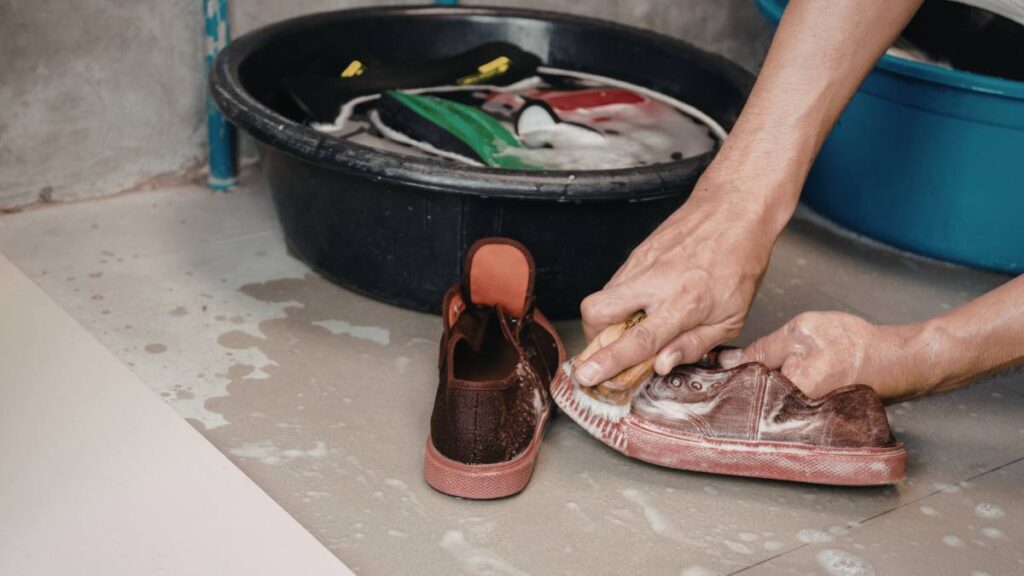
For shoes with replaceable parts, pull out insoles and wash with mild soap and water, then air dry fully. For non-removable linings, spritz interior with baking soda and vinegar solution.
Many people say, “I never realized how much odor hides in the insole until I started this.” Try this every 2–4 weeks for best results, especially during summer.
If insoles are worn thin, replace instead of washing. The cost is low, and the impact on shoe odor is immediate and remarkable—old insoles hide odors in layers built up over months.
Weekly Freshening with Natural Inserts
For next-level freshness, rotate cedar shoe inserts or clean, dry tea bags overnight in every pair not in active use. They pull odors from hard-to-reach places in composite materials.
This step is particularly effective for boots or shoes with thick, rigid uppers, where traditional powder can clump or miss problem spots. Swap inserts weekly for continual impact.
Keep natural inserts in a sealed bag between uses so they retain potency. Every Sunday night, refresh and reset for the coming week’s footwear needs.
Reimagining Shared Spaces to Banish Shoe Odor
Controlling shoe odor in shared closets, mudrooms, or dorms is an essential micro lifestyle skill. Coordinating practices smooths the process for everyone under one roof.
Open communication about shared routines helps reduce embarrassment and ensures collective efforts are consistent and effective—no single person handles all the odor prevention.
Creating a Team-Oriented Shoe Station
Set up a labeled zone at your home’s entrance for worn shoes, with baskets for cedar chips, deodorizer sprays, and fresh socks. Encourage everyone to use each when arriving home.
Let younger family members take turns prepping lemon peels or replacing baking soda jars. Participation builds good habits and creates a sense of ownership over the shared space.
Offer a quick demo week—”let’s try this after practice today”—to show how each step keeps everyone’s shoes fresher and the house odor-free.
Troubleshooting Persistent Odors as a Team
Assign specific days or roles: “Monday is sneaker spray day,” “Friday is insole check day.” Collective schedules ensure nothing slips through the cracks and no odor goes unchecked.
Encourage honest sharing if shoe odor returns, so new strategies can be attempted—”let’s try rotating the shoe rack position” or “switch to tea bags this week.” Adaptability is key.
Regular check-ins—like a five-minute Sunday review—keep everyone aware and motivated, especially during busy sports seasons or rainy months with extra muddy shoes.
Staying Ahead: Making Shoe Freshness Automatic, Not a Chore
Think of each micro skill against shoe odor as part of your normal, healthy rhythm. Smelling good becomes second nature once habits embed into your busy week.
By treating shoe freshness as proactive self-care, you turn what used to be a dreaded task into an easy, automatic win for everyone in your home, dorm, or shared office.
Every tiny action—from tossing in a tea bag to weekly insole replacement—delivers real, cumulative benefits. These add up as steadily as saving pennies in a jar.
Frequently Asked Questions
Why does shoe odor sometimes return even after cleaning?
Shoe odor can come back if interior moisture isn’t fully removed or if a shoe is worn without adequate drying time between uses. Consistent drying and alternating pairs helps stop odors from recurring.
Can using heavy perfume or scent sprays cover shoe odor?
Heavy perfumes or air fresheners may mask odors temporarily but don’t address moisture or bacteria, which cause lingering smells. Use deodorizer methods that remove or neutralize the source of odor for lasting impact.
How long does it take for natural remedies to work on shoe odor?
Results from natural methods, like baking soda or cedar chips, can appear overnight but may require several uses to fully neutralize long-standing odors. Regular maintenance delivers a fresher result over time.
Will washing shoes in the machine eliminate shoe odor entirely?
Machine washing can help reduce shoe odor for washable sneakers but doesn’t address all shoes. Footwear with fragile components or leather should use spot treatments, thorough drying, and routine odor-control strategies instead.
Are DIY shoe odor remedies safe for sensitive skin or allergies?
Most household solutions suit a range of sensitivities, but essential oils or vinegar should be tested on a small area first or diluted further. Always ensure shoes are thoroughly dry before wearing to prevent irritation.