Sipping coffee on a busy morning gives comfort, but that sense of calm shatters fast if you spot brown coffee stains on your shirt. It happens at meetings, at home, and even in your car: all it takes is a slippery mug or a distracted hand. The sudden stress of ‘Did anyone see?’ rushes in, yet dealing with coffee stains is totally manageable if you know the right steps.
Most people simply dab the stain with water, hoping for the best. Sadly, this almost never removes coffee stains from fabric fully. Knowing the science behind stain removal and having a quick toolkit ready puts you way ahead. It also saves embarrassment and extends the life of your clothes and upholstery.
Read on to see easy steps, relatable real-life scripts, and practical checklists that make this micro lifestyle skill feel second nature. These strategies work—whether it’s your white blouse or your living room sofa—so you’ll be ready the next time coffee stains try to disrupt your day.
Fast Fabric Preparation Gets Results
Immediate action stops coffee stains from setting into fabric. Move quickly and you’ll avoid permanent discoloration. Even a 2-minute delay makes stains twice as hard to remove, so gather your cleaning materials before you start.
Quickly blot wet spots—never rub—with a clean towel or tissue. Rubbing spreads the coffee stains and pushes them deeper, so pressing firmly but gently is key. This simple move makes chemistry-based cleaners more effective later on.
Quick Prep with Water Pays Off
Run cold water through the back of the fabric. This action flushes out as much coffee as possible. Use gentle pressure, aiming to move the liquid away from the fabric surface instead of deeper into the threads.
This step buys you extra time, especially for shirts or napkins. Never skip the rinse, even if you’ll use a stronger cleaner in the next stage. Cold water stops the stain from bonding permanently with fabric fibers.
Picture coffee splashing onto your sleeve during a commute. Heading straight to the sink for a water flush prevents the embarrassment of a lasting brown mark. The sooner you flood the stain, the easier every later step becomes.
Act Fast with Simple Supplies
Keep a small kit handy at home or work: it should have paper towels, a travel-size stain remover, and a zip-top bag for wet items. This micro lifestyle setup means your reaction is automatic and stress-free.
Imagine a lunch break mess on company clothes. Instead of panicking, blot and bag the item so it doesn’t sit in your bag all afternoon. A quick rinse or pre-treatment when you get home will give much better results.
Laying out your supplies in advance is a simple trick. Knowing exactly where to find them keeps small accidents—like coffee stains—from taking up more time or headspace than necessary. Preparation is your invisible superpower.
| Material | Blotting Ability | Reusable? | Best Use | Action Step |
|---|---|---|---|---|
| Paper towel | High | No | Immediate blotting | Press gently, swap frequently |
| Cotton cloth | Very high | Yes | Home stain kit | Wash after use |
| Sponge | Medium | Yes | Sofa/cushions | Dab, rinse between spots |
| Napkin | Medium | No | Restaurant/office | Blot, discard discreetly |
| Facial tissue | Low | No | Cars/on-the-go | Layer, use several sheets |
Everyday Household Cleaners That Actually Work
You can tackle coffee stains using familiar household products, many found in your kitchen or laundry room. Using these correctly restores fabrics fast—no special brand needed, and always within reach.
Follow a proven rule: always test cleaners on a hidden spot to avoid fading or fabric reaction. That puts you in control and eliminates surprise damage, even when you’re treating visible areas.
Choose Your Supplies Intentionally
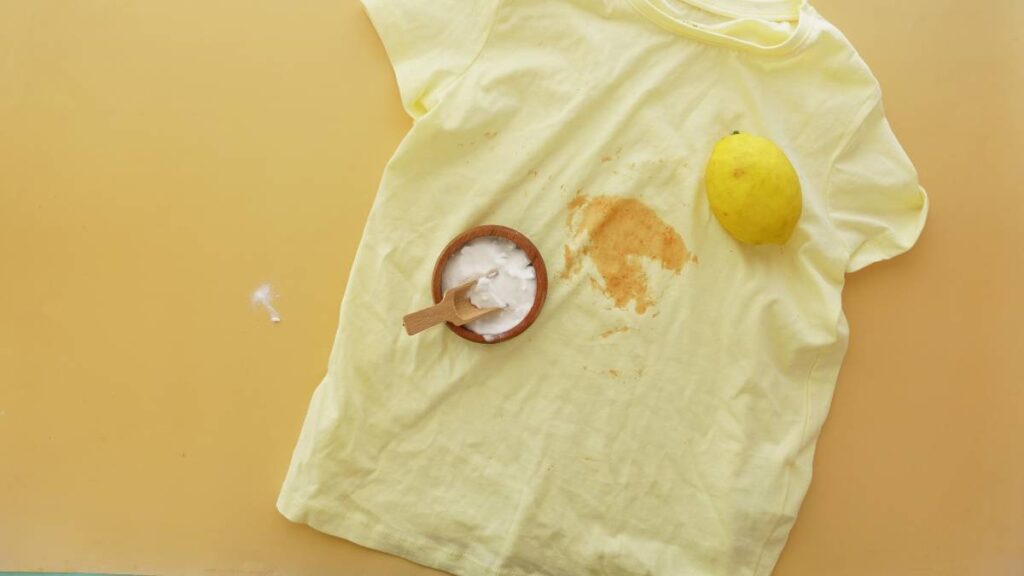
Look for these classic solutions: dish soap, white vinegar, baking soda, club soda, and hydrogen peroxide (for whites only). Each has its strength. Matching cleaner to fabric type brings consistent results while avoiding unnecessary wear.
- Mix dish soap and cold water for gentler fabrics. This blend lifts oils, stops stains from spreading, and can be dabbed on items you’ll wear again that day.
- Blend white vinegar with water for brightening. The acidity breaks coffee stains down and helps neutralize lingering odors, which is especially useful for table linens.
- Sprinkle baking soda on a damp towel, then blot. The powder absorbs liquid and odor together, keeping upholstery fresh while reducing the risk of moldy spots afterward.
- Pour club soda directly onto stubborn fabric stains. The carbonation helps bubble coffee residues loose. Always blot upper layers after applying club soda to prevent soaking.
- Try hydrogen peroxide for white-only fabrics. Use it carefully by applying with a cotton swap, letting it fizz, and rinsing thoroughly to avoid leaving behind residue.
Combining these cleaners with gentle patting, rather than scrubbing, preserves delicate fabrics, making stain removal part of your smooth daily routine.
Pre-Treat for Consistent Success
Pre-treating coffee stains before a regular wash stops stubborn discoloration from lingering. Pour or spray your chosen mix onto the mark, let it sit for 5–10 minutes, then launder as usual.
- Add liquid dish soap to collars and cuffs on dress shirts, so everyday spills don’t build up. This is extra useful at the office or café.
- Use white vinegar spray for cloth napkins or table runners, keeping dining areas crisp for future guests.
- Keep a travel-size cleaner in your bag for emergencies at restaurants or meetings—blot immediately to control the stain before it dries.
- Rotate between solutions depending on fabric: for upholstery, baking soda first; for bedding, club soda for fast fizz action.
- Launder promptly after treating to fully remove active cleaner and residue.
Making pre-treating a habit saves you major time later—less soaking, fewer re-washes, and longer-lasting colors and whites.
Reading Fabric Labels Is Worth the Minute
Knowing your fabric type gives you the power to match cleaning methods to your coffee stains, avoiding unnecessary risks and frustration. A quick label check pays off in gentler, more effective stain removal.
Recognize Delicate vs. Durable Fabrics
Cotton and poly blends tolerate scrubbing, making them more forgiving for coffee stains. Wool, silk, rayon, and linen require a lighter touch—go for minimal moisture and dabbing, never rubbing or twisting.
Sturdy clothes from workwear (like khakis) can handle stronger spot treatments. A gentle whiff or touch tells you if a fabric is fragile: it feels smooth, cool, and doesn’t spring back after pressing.
Whenever in doubt, always treat delicately first. Even a single wash with the wrong product can cause color changes or shrinking, so err on the side of caution for unfamiliar textiles.
Follow These Scripts for Every Fabric
When you find coffee stains on sheets after breakfast in bed, use a mild soap and water mix, patting gently. Repeat after 10 minutes. For a wool sweater, blot with cold water only.
Spot a coffee spill on your dress shirt at work? Rinse quickly, then add diluted vinegar to lift the brown mark. Launder within the hour so no residue remains after drying.
Analogous to baking: gentle stirring keeps ingredients smooth, while overbeating ruins the structure. Treating delicate fabric with light, circular motions preserves its integrity—copy this habit every time for best results.
Common Mistakes and Recovery Steps
Recover from common errors with simple shifts: timing and method matter more than fancy chemicals. Forgetting to blot, scrubbing out of panic, or waiting too long to treat makes coffee stains harder to erase—but all is not lost.
If a stain sits for several hours, increase soaking time in cold water and use a stronger soap mix. Return to gentle pressure, not scrubbing, to avoid enlarging the mark.
Prevent Compounding the Problem
Never mix cleaners—especially bleach or ammonia—with vinegar or hydrogen peroxide, because they may damage fabrics and release irritating fumes. Always stick to one product at a time and rinse before testing the next.
Beware heated drying. Air dry stained items outdoors or on a rack after washing so you can check for lingering traces. Heat from an iron, dryer, or even a heater sets remaining coffee stains permanently.
Test-strategies in small steps: one product, rinse, then a second if needed. This process avoids disasters and reduces time spent correcting accidents made in haste.
Treating After Too Long
For coffee stains discovered days later, apply a thick paste of baking soda and cold water to the area, wait 30 minutes, then launder normally. Stubborn spots need repeat applications before fading entirely.
Heavy-duty laundry detergents with enzymes break down old coffee residues well. For persistent areas, soak overnight before washing. Skipping this stage just saves you from having to repeat the cycle.
Patience and layering steps brings fabrics back to near-new, even when original stains appeared hopeless or caused embarrassment first time around.
Finishing Touches for a Stain-Free Look
After cleaning, double-check stained areas in bright light. Sometimes coffee stains reappear faintly as the fabric dries—this is normal and fixable with a quick repeat of your gentlest method.
Smooth fabric gently with your hand to realign fibers and reduce any rough patches from scrubbing. This gives clothes and couch covers a uniform, professional finish no matter their color or shape.
Add Protection Going Forward
Consider treating frequently stained items—like car seat covers or work shirts—with a fabric protector spray. These clear products add an invisible shield, making future coffee stains easier to clean on the spot.
After using sprays, always let fabrics dry fully before sitting, using, or washing. Waiting makes sure no sticky residue transfers onto skin or other clean items. Regular protection saves big effort later.
Imagine prepping everything in one go at the start of a season—this reduces stress over every little spill and keeps your favorite fabrics in top shape with minimal extra work.
The Value of Habit: Stain Prevention and Routine
Preventing coffee stains is a micro lifestyle upgrade. Simple daily habits like using lidded travel mugs, setting a coaster, and pausing before moving with a full cup all cut down on accidental spills.
During brewing and serving, wipe up stray drips immediately—this avoids sticky edges on fabric placemats and costumes alike. Over time, these routines feel automatic, keeping your favorite spaces stain-free.
Micro Habits That Add Up
Wipe spills right away, before moving to the next task. Designate one towel or sponge for kitchen and dining spills—this cuts down on cross-staining or missed spots during busy mornings.
Check your clothes in the mirror or send yourself a quick photo; spotting coffee stains early prevents them from drying in. Always keep your portable kit close, whether you drive or commute on foot.
Practice these cues: pick up your mug with two hands at meetings, and keep elbows away from drinks during quick meals. Each small change smooths out daily routines and makes stains less likely.
Frequently Asked Questions
Can I remove coffee stains that have already dried for several days?
Yes, you can. Soak the affected fabric in cold water for at least 30 minutes, apply a baking soda paste or enzyme detergent, and launder as usual. Repeat the process for persistent stains. Early treatment delivers the best results, but older stains still respond to layered care.
Do coffee stains come out better in hot or cold water?
Always start with cold water. Hot water may set the stain, especially on proteins in natural fabrics, making removal harder. Finish cleaning with a regular wash at the recommended temperature for the specific fabric after pre-treating the stain thoroughly.
Which household cleaners are safe for delicate fabrics?
Delicate materials like silk or wool respond best to mild dish soap diluted in cold water. Avoid vinegar, harsh detergent, or hydrogen peroxide for these fabrics. Gently blot and avoid twisting the fabric to prevent stretching. Always air dry after any cleaning effort.
Is it safe to use bleach on coffee stains?
Only use bleach on pure white, bleach-safe cottons. Never mix bleach with vinegar or other cleaners, as this creates hazardous fumes. Always read fabric care labels and spot-test on a hidden seam. Bleach can cause yellowing or weaken fibers if overused.
Can I prevent future coffee stains on my favorite clothing?
Yes. Apply fabric protector spray periodically to outerwear, table linens, or car seats. Use travel mugs with lids and keep a stain removal kit handy both at home and when out. Small habits and regular attention make a huge difference in minimizing repeat staining events.