Streamlining seasonal changeovers frees up your space and helps you rediscover forgotten pieces, making your closet feel new again while ensuring only the current weather-appropriate items are within reach.
This article guides you through efficient, easy-to-adopt micro lifestyle skills for clothing rotation that save you time and lend an effortless flow to your daily outfits—all backed by step-by-step tactics and practical examples.
Establishing the Clothing Rotation Mindset with Daily Habits
Adopting a clothing rotation routine starts with shifting your approach to closet management. Get clear on the goal: only current-season clothes visible, all others stored.
Integrating small, daily habits makes rotation feel seamless. For instance, each morning, look for pieces you haven’t worn and shift them to the front.
Realistic Start Points that Stick
Choose one drawer, not the whole closet, for your first clothing rotation zone. This keeps overwhelm at bay and lets you see instant progress, which motivates regular upkeep.
Set a recurring phone reminder at the midpoint of each season that simply says, “Review: Rotate tops.” Repetition wires the routine into your lifestyle.
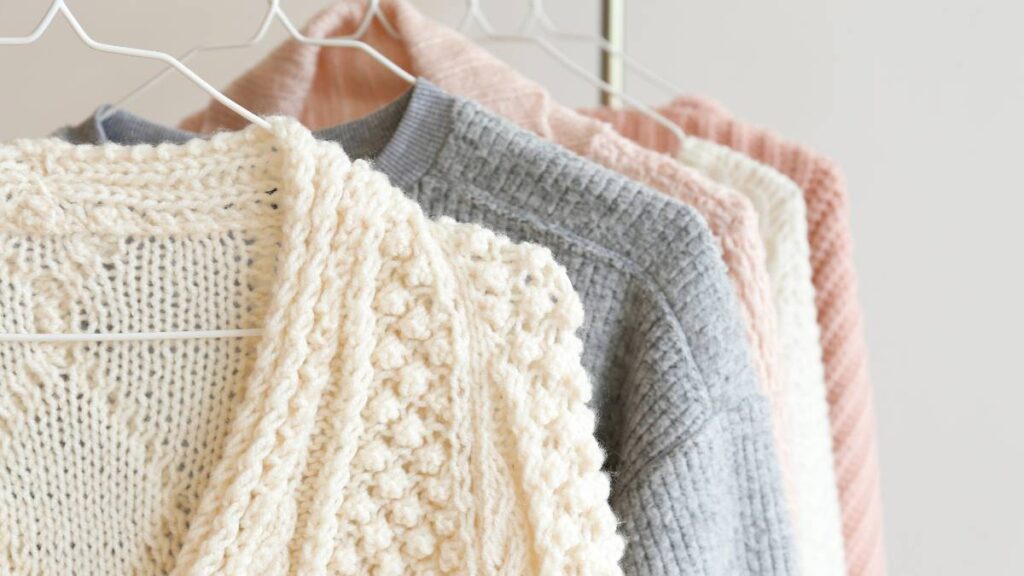
Tell yourself, “Today, I’ll move three heavy sweaters out and bring two lighter tops forward.” Micro-wins add up and build the rotation habit organically.
Making Rotations 5-Minute Friendly
Follow a “one-in, one-out” mantra. When you pull a new jacket for the season, put away something from last season—in and out, no big piles to deal with later.
If you hesitate over a garment, hang it backward or use a colored hanger. At the next rotation, anything untouched signals it’s ready to be stored or given away.
Try a post-laundry rotation check, sliding unworn items to storage bins. This rhythm, tied to laundry, builds on habits you already maintain.
| Category | Time Investment | Storage Needed | Takeaway |
|---|---|---|---|
| Full Closet Switch | 2-4 hours | Large bins | Best for large wardrobes—schedule quarterly sessions |
| Micro Rotations | 5 mins/day | Mini bins, shelf space | Easy to maintain—fits busy schedules |
| Weekly Zone Swap | 20 mins/week | Shelf dividers | Ideal for limited closet access—rotate by section |
| On-Demand by Weather | 10 mins/as needed | Small bags | Responds to sudden weather swings—stay flexible |
| Family/Shared Space | 1-2 hours monthly | Multiple bins per person | Coordinate with others—schedule ahead |
Quick Sorting Rules for Effective Seasonal Swaps
When swapping clothing for the season, the right rules simplify decisions. Rely on a checklist—for example, “No more than two bulky jackets on a single rod.”
Apply a ‘this season only’ rule: lay out all possible wearables, then return only those matching the upcoming month’s forecast. This method optimizes your clothing rotation.
Checklist: Deciding What to Store
Use these action-driven prompts to streamline what stays and what goes. Each season, answer: “Am I excited to wear this next week?” If not, it’s ready for rotation storage.
- Prioritize items that fit today, not once-a-year garments; wear-ready equals less frustration each morning.
- Set aside anything with obvious damage for immediate repair; broken pieces slow your daily routine.
- Group clothing by material; keep wool and synthetics separate to avoid damage during storage.
- Eliminate duplicates; one favorite hoodie per season means less dust and quicker outfit picks.
- Label stored bins with bold, season-specific terms; you save time at every clothing rotation moment.
By enforcing these sorting actions, you ensure your closet always feels current and clutter-free.
Mid-Season Fine-Tuning for Smarter Choices
Check in every 30 days. If you haven’t reached for an item, move it to a visible “second chance” spot. If another month passes, store or donate it.
- Review climate apps and plan two weeks ahead to avoid being caught without appropriate layers, maximizing the clothing rotation system’s flexibility.
- Swap worn basics—rotate fresh tees in for fraying ones to keep your daily options crisp and inviting.
- Separate work and leisure wear; store what doesn’t match your upcoming calendar events in labeled drawers for easy reclaiming later.
- Adjust accessories, too—transfer hats, scarves, and gloves out as the temperature changes to create breathing room.
- Set a reminder to flip hangers at the midway point: anything still unflipped signals an item ready for rotation or review.
Tweaking your wardrobe before the season’s end keeps things lean, so only relevant items dominate your daily decision space.
Small-Space Rotation Formulas That Actually Work
Limited closet size leads to tough storage choices, but simple micro habits make clothing rotation a breeze. Select a single shelf to designate as the “current favorite” zone.
Store out-of-season clothes in labeled under-bed bags. Place only 10-12 seasonal items within prime reach, relying on the rotation technique detailed in the table below.
Bag-and-Tag for Efficiency
Use clear zip bags for off-season clothes. Write on masking tape with bold letters: “Spring Tops,” “Winter Pants,” etc. This cuts the searching time and speeds up clothing rotation in shared apartments or tight studios.
Slide labeled bags under beds or atop wardrobes. Whenever you swap new pieces into the main closet, reach for the correct bag—it’s faster than digging through unsorted stacks.
If you have roommates, assign colored tape per person. This helps everyone stay accountable and ensures no misplacing during group clothing rotation shifts.
Seasonal Rotation Flows for Studio Apartments
Pick five core pieces for each weather type: two bottom layers, two tops, one outerwear. Hang these on slim hangers near the front door.
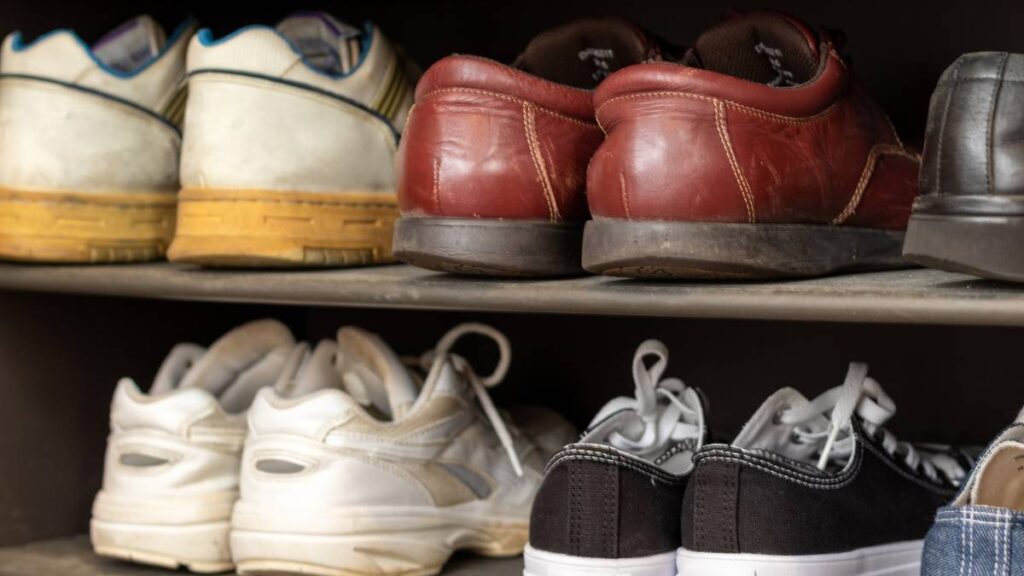
Store shoes and accessories in stackable bins just under a console table. Place seldom-worn boots and heavy scarves in the farthest back area.
Every Sunday, scan your wardrobe. If you pulled an item but didn’t wear it, swap it for one from storage—prompting natural, gradual clothing rotation.
Reducing Daily Stress by Pre-Planning Weekly Rotations
Planning your weekly clothing rotation eliminates last-minute scrambling. Commit to a Sunday evening clothing prep session, even if it’s only ten minutes.
Lay out five outfits, from base layers to accessories, and hang them front and center for easy weekday access.
Outfit Templates Spur Confidence
Work with two or three clothing templates—like “jeans plus knit top plus cardigan.” Swap colors and accessories to keep things fresh within your clothing rotation routine.
Record “go-to” combinations on a whiteboard or phone note. This reference helps streamline future rotations and reduces decision fatigue during busy mornings.
Set up quick-access baskets labeled “This Week” for fast swaps; the habit takes less than three minutes and keeps essentials at your fingertips.
Ensuring Clothing Quality Through Smart Storage and Cleanliness
Caring for stored clothes preserves their lifespan and keeps your clothing rotation options open. Always launder or dry clean before storing pieces for months.
Fold heavyweight garments and stack lightly; hang only delicate items with padded hangers. Avoid plastic bags, which trap moisture and cause mildew.
Preventing Damage with Thoughtful Storage
Opt for breathable cotton storage bags over airtight containers. These prevent odor buildup and allow airflow, protecting fibers while in clothing rotation layover.
Place cedar balls or lavender sachets in bins as a natural repellent. This reduces pests and adds a subtle fresh scent without harsh chemicals.
If possible, store out-of-season shoes with tissue inside to maintain shape—this small step extends their usable life for multiple clothing rotations.
Refreshing and Inspecting Between Rotations
When bringing items out of storage, shake them outdoors and inspect for missed stains. Use a hand steamer or gentle ironing to restore fabric texture.
Document small repairs on a sticky note placed inside the bin for the next clothing rotation — you’ll save future time and avoid repeat picks of damaged pieces.
Plan a five-minute “freshen-up” once a season to keep everything rotation-ready, avoiding the overwhelming task of refreshing all clothes at once.
Adding Personality Without Crowding Your Wardrobe
Maintaining clothing rotation doesn’t mean sacrificing personal style. Treat accessories like mini-rotations, swapping in hats, necklaces, or scarves every two weeks to update your look.
Limit statement pieces per season to two or three; these accent your basics, making you feel unique without overwhelming your closet space.
- Experiment with bold belts or patterned socks—refresh your base wardrobe while ensuring no single trend dominates your overall clothing rotation.
- Store sentimental or rarely-worn accessories in clear pouches at the back of a drawer for easy future access.
- Edit jewelry or hats yearly; if you haven’t worn it in two seasons, donate or repurpose the item.
- Designate a small rail or hook for current favorites so they remain top of mind and are seamlessly worked into your clothing rotation system.
- Do a monthly “style review”—try out odd combinations for one day to see if something new sparks joy before deciding on permanent swaps.
These micro choices keep your wardrobe dynamic while staying organized and easy to manage each month.
Sustaining Clothing Rotation Habits Year-Round
Clothing rotation routines work best when layered into your calendar. Mark quarterly changeovers and add notifications for quick check-ins—these tiny reminders cement the process as part of your lifestyle.
Stay adaptable: When weather surprises you, set a 10-minute timer to pivot your closet layout. Consistent small actions keep everything season-ready.
Share the routine with family or roommates; syncing notification alerts or mini-calendar invites makes group rotation harmonious and easy.
If you move or remodel, note key lessons—like which bins stack best, or which items still clutter after each clothing rotation—and adapt before next season.
Remember, perfection is not required. Consistent, bite-size rotations keep the system realistic and enjoyable, not a chore.
Frequently Asked Questions
How do I decide what gets rotated out first? Identify items you haven’t touched in 30 days or those that no longer suit the weather. Move them to storage bins or an out-of-sight location. Rotate only those that still fit and match your current needs, and repeat this monthly.
What’s the best way to store out-of-season clothes safely? Always clean garments before storage, use breathable bins or bags, and separate heavy from delicate items. Write clear labels for each bin by season and item type. Place natural repellents like cedar balls or lavender sachets to keep pests away and fabrics fresh.
How do I use clothing rotation with kids or shared family spaces? Assign colored bins or labels for each family member and coordinate seasonal swaps together. Set regular calendar reminders so everyone participates, making clothing rotation manageable for every age and shared closet size. Regular group cleanouts prevent buildup.
Is there a way to rotate clothing in very small spaces? Yes, use under-bed containers, door hooks, and stackable boxes. Keep only essentials within reach—ten to twelve items—and store the rest elsewhere. Switch out a few pieces weekly, rather than doing a full swap, to suit tiny apartments or busy routines.
How do I keep my rotation habit consistent year-round? Set season-specific calendar reminders and link easy steps to regular habits, like laundry days or bedtime closet checks. Share clothing rotation achievements with a friend or housemate for accountability. Focus on small, frequent adjustments, not big seasonal overhauls, to stay motivated and organized.