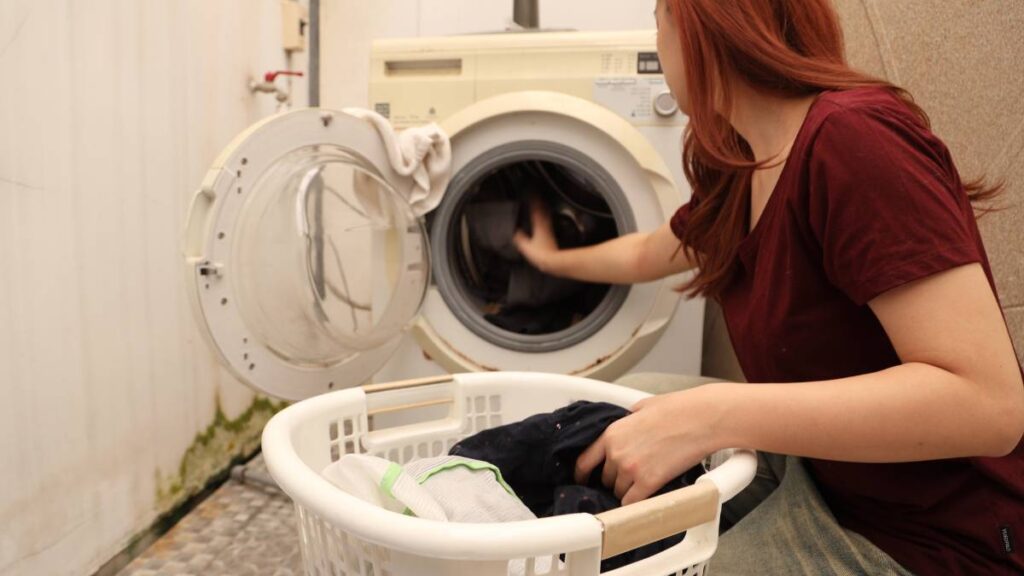
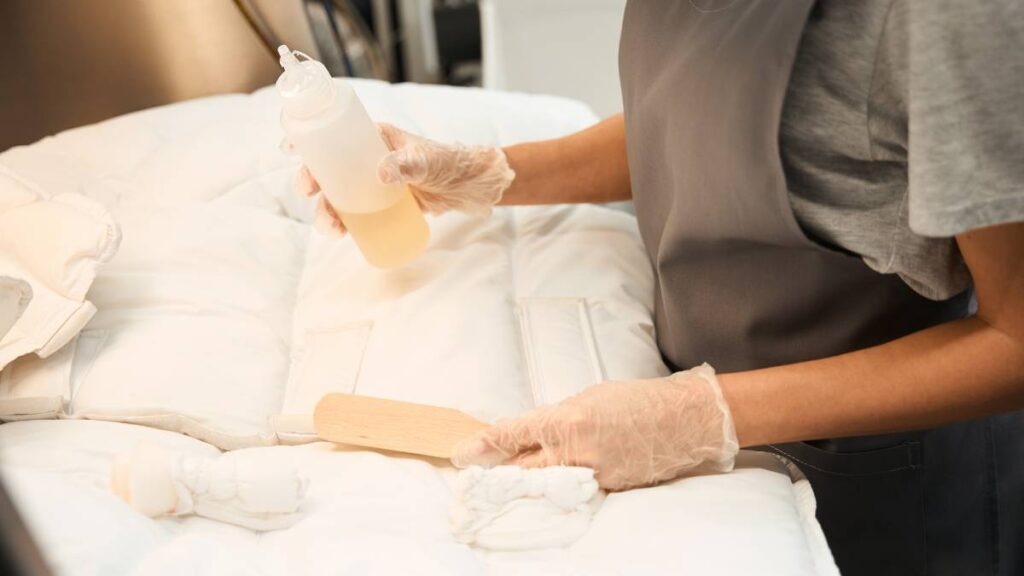
Spills happen fast, and sometimes no cleaner is handy, so knowing how to remove stains with everyday pantry items goes from trick to essential micro-life skill. Picture a morning coffee tip or a splash of salsa — armed with a few household basics, you can treat stains before they set, keeping clothes and soft surfaces looking their best.
Understanding which pantry items actually remove stains gives you new control over your home and wardrobe. These small, resourceful actions stretch budgets, avoid harsh chemicals, and solve problems in real time — exactly the spirit of micro lifestyle skills.
Stick with this guide for practical, actionable steps to remove stains using ingredients you likely already have in your kitchen. Throughout, you’ll gain concrete scripts, checklists, and scenarios you can try immediately to sharpen your everyday living skills and improve your environment.
Baking Soda Reactivation Steps for Every Fabric
Using baking soda to remove stains gives you a reliable process for fresh spills and older, settled marks. Armed with this skill, treating white shirts, upholstery, or everyday denim becomes routine and stress-free.
By adding baking soda to water or vinegar, you activate a gentle scrubbing power that’s friendly to most materials and helps lift both oily and acidic stains fast before they set in deeply.
@ Mix-and-Apply for Whites and Lights
Stir three tablespoons of baking soda into half a cup of cold water to form a loose paste. Dab directly onto a coffee-stained collar or white T-shirt and gently rub with soft fingers.
Let the paste sit for fifteen minutes, never longer, for best results on light fabrics. This pause lets baking soda absorb and pull up the pigments without bleaching or changing the fabric texture.
Once soaked, rinse under cold water until clear, checking to see if the stain lifted. If a shadow remains, repeat the paste but always with fresh baking soda for maximum stain removal power every time.
@ Add Vinegar for Tough Stains on Sturdy Materials
Mix one part white vinegar to two parts baking soda until it foams, then spoon this directly onto grease or tomato-based stains — this fizzing mix is especially helpful for jeans or canvas bags.
Work into the spot using small circles with a toothbrush or rag for 60 seconds, then let it sit. This method encourages the chemical lift needed for stubborn, deeply embedded stains.
Always rinse with cold water — avoid hot water, which can set some stains. If traces remain, reapply only to the stained area, avoiding contact with delicate trim or metal hardware on bags.
| Pantry Item | Stain Type | Best Tool | Takeaway Action |
|---|---|---|---|
| Baking Soda | Oily & protein stains | Soft brush | Apply paste, let sit, rinse cold |
| White Vinegar | Odors & wine | Clean towel | Dab, soak, rinse cold |
| Lemon Juice | Grass & berry | Spray bottle | Spray, sun-dry, rinse |
| Salt | Red wine & blood | Paper towel | Blot, sprinkle, rinse cold |
| Dish Soap | Grease & sauces | Sponge | Lather, soak, rinse hot |
Salt’s Fast Blotting Protocol for Protein and Wine Spills
Swift action removes stains caused by wine, blood, or eggs. Salt soaks up liquid before it penetrates, helping you stay in control regardless of the spill’s origin or setting.
After dabbing, sprinkle salt generously on top. The salt will quickly draw out liquid, preventing spreading and making later stain removal attempts more likely to succeed.
@ Prevent Set-In Damage Instantly
Press a dry, absorbent paper towel against the stain to soak up as much as possible before applying salt. No rubbing, just firm pressure for about ten seconds per spot.
- Place towel over spill for 10 seconds: Controls spread by absorbing the initial moisture instantly.
- Lift and check towel: Rotate to a new, clean area before each press to avoid reapplying residue.
- Sprinkle salt onto stain: Salt begins to draw out the pigment and stops it from embedding heavily.
- Let salt sit 10 minutes: The granules act like tiny sponges, keeping liquids at the surface for easier pickup.
- Vacuum or shake off salt: Once salt looks saturated, brush away before damp cloth cleaning or laundering.
Blotting and salting buys you time, making later soap-based or enzymatic cleaning steps more effective. Give yourself the best shot at a clean rescue by acting fast and layering your response methods.
@ Beyond Spills: Dealing with Dried Blood
For stains that dried unnoticed, re dampen gently before adding salt. Pat with cool, wet cloth until pliable, then let salt interact with the moist area for maximum pigment lift before regular laundering.
- Wet old stain with cold water: Moistens fibers, prepping them to re-release trapped pigment and protein.
- Pat, never rub: Direct motion lifts, whereas scrubbing can force blood further into threads, making removal harder.
- Apply thick salt layer: Press in gently, allowing the salt to touch all affected surfaces. Salt’s abrasion plus moisture starts color draw-out as it dries.
- Allow to sit undisturbed: At least fifteen minutes gives the salt time to do its job fully before any other cleaner steps.
- Brush off, rinse, repeat: For set-in stains, cycle through moistening and salting two to three times for better results than relying on commercial cleaners alone.
This process frequently outperforms single-step solutions, supporting a mindful, hands-on approach to garment and surface care.
Lemon Juice for Natural Bleaching Without Chemicals
Lemon juice lets you remove stains from light cottons and linens through a sun-triggered reaction, perfect for fruit, grass, and sweat marks where you want brightening without tougher bleaches.
Spritz lemon juice mixed with an equal part of water, and let direct sunlight intensify its pigment-lifting power. This strategy leverages both pantry acids and natural UV for a safe result.
@ Tried-and-True Sunlight Boosting
After spraying juice on the stain, spread the fabric so it’s flat and taut. Place outdoors midday for 20–30 minutes—body heat analog: like drying hair with a towel in the sun for a faster finish.
Check every 10 minutes and move the fabric around to keep the lemon-sprayed area in direct sun. You’ll see stains fade with exposure, but avoid letting any area stay wet longer than necessary to prevent yellowing.
Afterward, rinse in cool water and hang to dry inside. This closes the loop, removing lemon acid residues and ensuring no lingering stickiness or new marks form while the fabric is damp.
@ Berry and Grass Stain Example Script
Grab a berry-stained tee and say, “Let’s treat this with lemon and sun instead of bleach.” Spray, wait, and inspect — this involves checking your cleaning tools like chefs taste recipes: thoughtfully and in sequence.
If the stain changes after 20 minutes outdoors, respray once. Two passes can outperform a single, heavier application while reducing the risk of fiber wear or surface residue.
If you notice little difference after the third spray and dry, switch methods rather than force a result. Sometimes, combining lemon with old-fashioned sun delivers better long-term fabric health and color retention.
Household Dish Soap’s Grease-Lifting Potential
Dish soap isn’t just for plates; its special surfactants mean it breaks up kitchen and laundry grease with a lather-and-rinse process that sidesteps harsher chemicals. This expands your remove stains toolkit without new products.
Many stains hide oil or sauce at their core, and dish soap cuts through these barriers, letting water dislodge pigment that would otherwise cling stubbornly to fabric or counter surface fibers.
@ Step Sequence for Oily Spots
For pizza sauce, butter, or cooking oil, squeeze a tiny drop of dish soap directly onto the stain. Work it in with your fingers or a soft cloth in a gentle, circular motion.
Let the soap foam for two minutes, then rinse under warm water until all residue is gone and the stain begins fading. Use hot only if the fabric can tolerate it; check care tags first.
Check for success after the first wash. If a shadow remains, repeat using half the original soap amount, gently using a different part of the fabric to avoid re-soiling or irritating sensitive fibers.
@ Non-Fabric Surfaces: Practical Care Routine
Dish soap lifts grease from counters and upholstery, too. For couch arms or car seats, mix a quarter-teaspoon into a cup of warm water. Dab with a sponge, then blot dry to avoid water lines.
This breaks down sticky kitchen accidents without saturating delicate fill materials. It also reduces the need for heavy rinsing, which keeps padding and seams from swelling or holding soapy water.
Finish by pressing a clean towel onto the treated spot to absorb extra moisture. You’ll have a cleaner, fresher look without extra drying time or fabric shrinkage risk.
Vinegar and Salt: Your Secret Weapons for Stubborn Marks
Vinegar’s acetic acid breaks up layered pigment, while salt’s rough texture helps scrub residue out. When combined, these pantry staples make a double-pronged approach ideal for bright dyes and mildew.
Sprinkle salt over the stained area, then pour or spray vinegar lightly to form a gritty paste. Rub gently and let sit before rinsing — this amplifies power beyond either alone, making tough stain removal possible at home.
@ Mini Checklist: Using the Duo for Dye Bleeds
• Blot up any puddled liquid immediately to catch dye before it settles.
• Sprinkle a firm layer of salt: This creates friction and increases pigment absorption at the wound site.
• Add white vinegar until the salt is wet but not runny.
• Gently massage for exactly 60 seconds using the back of a spoon or fingertips.
• Let sit, then rinse very thoroughly to remove all vinegar and salt. Repeat if color persists, switching to a new cloth each time for best results.
@ Practical Scenario: “This Pillowcase Came Out Pink…”
You spot a white pillowcase with a pink splotch after a red sock was included. Instinctively, say, “Let’s grab the salt and vinegar!” Prep the affected area and follow the outlined checklist to restore the original shade.
Seeing early color change after the initial application means progress; if not, try one more round with a clean pair of gloves or fingers and examine whether the stain lightens further by feel as well as sight.
This experience builds confidence for future emergencies, like spilled dye or accidental naps after coloring hair, where quick, creative intervention keeps items usable longer.
Practical Scripts and Do’s/Don’ts for Common Scenarios
Quick, ready-made responses help you remove stains when surprise spills, drips, or splashes appear. Having words and movement sequences on standby allows smoother, faster action and promotes consistency over panic.
Scripts give you micro skills you can reference in real situations, ensuring that when a stain appears, you move confidently and avoid spreading or worsening the problem.
@ Script: Removing Juice from Upholstery
Say aloud, “I’ll blot and sprinkle salt,” to cue your sequence: blot up liquid, add a layer of salt, and let it sit, keeping your focus narrow on the stained patch alone.
After 10 minutes, vacuum or brush off loosening salt, following with a water-dampened cloth dab rather than a full soak, preserving the integrity of the padding beneath the fabric cover.
End the script by inspecting with a white towel — if no color transfers, your micro skill succeeded, and you prevented a larger, more permanent stain from developing on the upholstery.
@ Do’s and Don’ts Checklist for Last-Minute Garment Spills
• Do act fast: Immediate blotting limits stain size and reach.
• Don’t rub aggressively: This pushes pigment deeper, creating work for later.
• Do layer responses: Start with one pantry staple, rinse, then try a second if needed.
• Don’t skip rinsing: Residues left behind can attract dirt or set stains even more strongly.
• Do check fabric care tags: Some vintage or delicate materials benefit from only spot testing in a hidden area first.
Empowering Everyday Stain Removal Habits
Building everyday remove stains habits puts problem-solving into daily life. You’ll start to notice stains, grab pantry items without overthinking, and move through the cleaning process with practiced, low-stress efficiency.
With repeated use, these habits become as natural as putting away dishes after dinner. Each successful stain rescue reinforces your micro lifestyle skills and ensures favorite garments, linens, and surfaces last longer.
Try applying these steps next time you notice any accidental mark — not only for difficult stains but for day-to-day upkeep. You’ll gain time, confidence, and a clean, inviting home as a direct outcome.
Adapt techniques every season or as your home changes; different foods, drinks, or activities may mean new needs. A small routine tweak keeps your stain-fighting knowledge both fresh and useful year-round.
Frequently Asked Questions
What pantry items work best for removing stains from white shirts? Baking soda and lemon juice, when used together and left to work in the sun, effectively remove most discolorations and keep fabric bright without damage or fading.
Is it safe to use vinegar on colored fabrics? Vinegar is generally safe, but always spot-test in a hidden area first. For dark or vibrant colors, use diluted vinegar and rinse thoroughly to avoid dulling or uneven lightening effects.
What’s the best way to remove old set-in stains? Re-dampen the area, apply salt or a baking soda paste, and let sit. Methodical reapplication and gentle scrubbing raise pigment over several rounds more reliably than quick one-step cleaners.
Does using these pantry items replace professional cleaning? For most everyday stains, pantry remedies keep garments and surfaces clean and refreshed. Heavily set-in or specialty stains might still require professional attention for full restoration and safety.
Can I mix more than one pantry item in a stain removal attempt? Yes, layering techniques — such as vinegar before salt or dish soap after baking soda — is common. Always rinse well between steps to prevent unwanted chemical reactions or residue buildup that could attract more dirt.