Ever notice how some people look put together no matter the occasion? Sometimes, it’s the micro lifestyle skill of accessorizing outfits, not just new clothes, that makes their look. Tiny choices can turn a plain tee and jeans into a confident, stylish statement.
In daily life, details like a watch, a scarf, or a subtle pair of earrings become signals of care and intent. Accessorizing outfits is not about expensive purchases but knowing how and when to make small tweaks that suit your mood or needs.
This practical guide unpacks accessorizing outfits so you can develop a repeatable method for any day or event. Let’s get into hands-on steps, quick-check rules, and the actions that help you look your best without starting from scratch.
Energize Everyday Outfits by Choosing Accessories With Intention
When you select accessories with a specific intention, your look tells a story. Consistency and purpose in accessorizing outfits help you show up feeling clear and put-together, no matter your base wardrobe.
Use a simple rule: accessorize for mood, activity, or statement. Before you touch a necklace or belt, ask, “Does this match what I want to project, or will it distract?” This question cuts choices in half.
Matching Accessories to Your Purpose
If you’re preparing for a busy workday, grab low-profile studs and a sleek watch to keep things streamlined. For a brunch, you might trade the watch for a stack of fun bracelets.
Before commuting, lay three accessories on your dresser—pick only two to wear. This forces you to decide what truly serves your story while accessorizing outfits and keeps clutter at bay.
Think about running errands. You might slip on canvas sneakers and a mini crossbody, skipping fancier pieces. In each scenario, intention makes the outcome more powerful—without adding bulk or confusion.
Using Color and Texture to Guide Your Selections
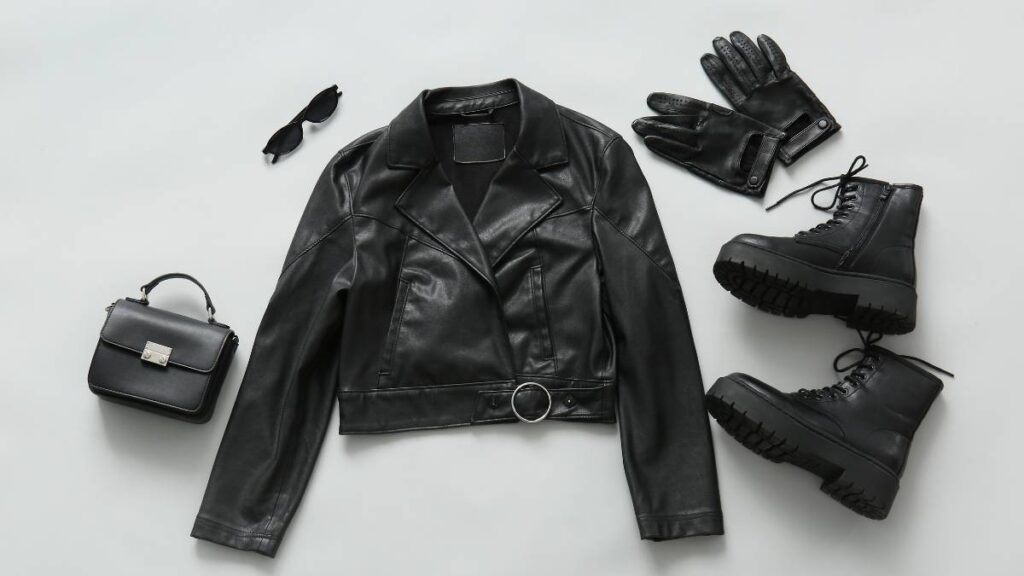
Pairing metal tones with outfit colors matters. If you’re wearing pastels, try rose-gold or silver. Black or deep navy looks sharper with gold or matte black bands and buckles for contrast.
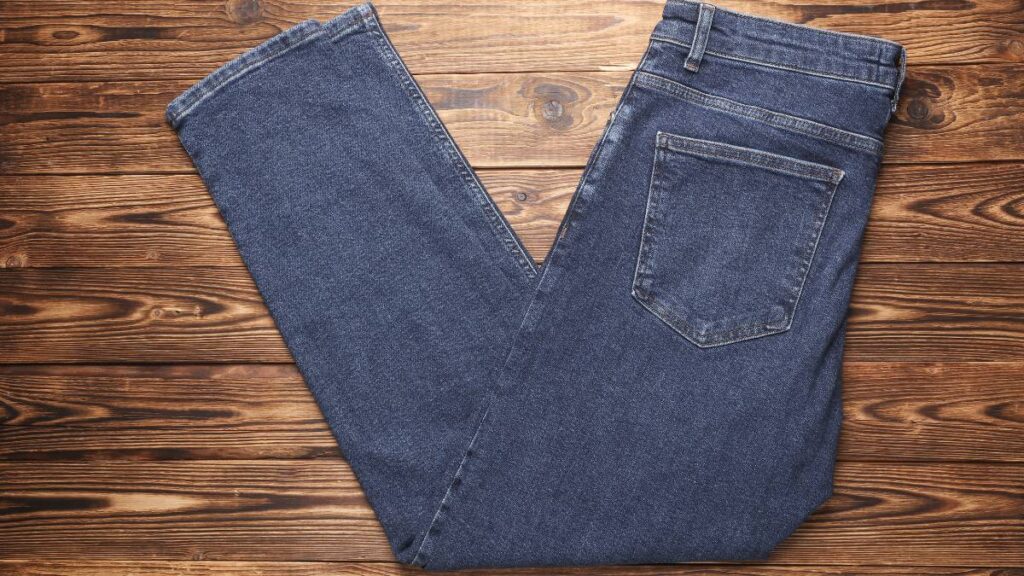
Use texture as your silent communicator. A woven belt with jeans adds informality, while a patent leather clutch sharpens business attire. Texture accents in accessorizing outfits also hide signs of wear, helpful on busy days.
Every time you pair smooth with rough—like a silk scarf with a denim jacket—you ramp up interest. That extra dimension moves eyes along your outfit and signals thoughtfulness.
| Accessory | Best For | Styling Tip | Takeaway |
|---|---|---|---|
| Statement Necklace | Simple tops or dresses | Wear with solid colors | Draws attention up, choose one focal point |
| Watch | Work, everyday errands | Match strap to shoes/belt | Practical and classic polish |
| Silk Scarf | Layering in cool weather | Knot at the neck or bag handle | Adds color or pattern quickly |
| Stacking Rings | Casual, social events | Limit to one hand for simplicity | Show personality with subtle shine |
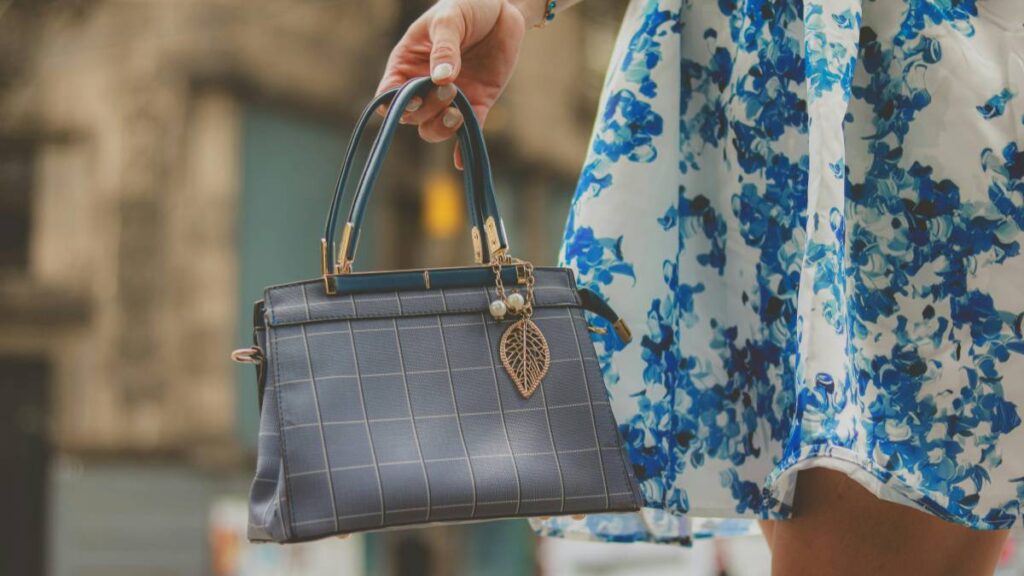
| Crossbody Bag | Travel, weekends | Size to fit only essentials | Hands-free balance, easy to swap |
Create Visual Balance With Layering Techniques
Adding layers with intention gives your outfit depth and prevents clutter. Use this checklist: combine a bold piece with subtler ones, mix lengths, and stick to one standout item to highlight.
Look for gaps in your outfit—bare wrists, open collar, or empty belt loops—to layer purposefully while accessorizing outfits. Addressing each gap with just one item keeps things efficient and chic.
Mixing Lengths and Shapes for Dimension
Stacking necklaces? Go for one choker and a longer chain so pieces don’t collide. Try this script: “I’ll wear my short silver pendant above my T-shirt, with a longer gold oval at mid-chest.”
Layer bracelets with different shapes—pair a flat bangle with a thin leather strap for contrast and an effortless micro lifestyle trick. Each extra layer signals a specific choice, not random clutter.
Bags and scarves matter equally. Try slinging a crossbody over a chunky cardigan, then tucking in a colorful scarf—this builds depth without overpowering your look.
- Choose a single area (neck, hands, waist) to layer, focusing attention where you want.
- Keep metal tones consistent for more harmony; mix for a trendier, casual vibe.
- Counter bulky base layers with daintier accessories to lighten your overall appearance.
- Switch up texture—matte and shiny, soft and hard—so nothing blends or feels flat.
- Edit by removing one item before leaving the house; it’s one of the oldest accessorizing outfits rules for balance.
Layering also works with materials—think a denim jacket, canvas tote, and a beaded bracelet for a relaxed outing. Each texture tells part of your story, but together, they avoid looking ‘done up’.
Fractional Layering for Quick Out-the-Door Polishing
If you’re rushing, refined layering means slipping on just one extra—toss a scarf over your tee, or add one ring to clean nails. That’s enough to show you’ve adjusted your look on purpose.
This technique supports accessorizing outfits anywhere—try looping a patterned bandana through jean belt loops. It softens stiffer pieces and is comfortable for errands or short walks.
Pausing to ask “Where does my outfit need more?” lets you skip over-accessorizing, making each layer a micro win.
Break Out of Ruts by Pairing the Unexpected
Pairing the unexpected revitalizes your entire wardrobe and makes accessorizing outfits genuinely personal. Style feels fresh when you match materials, patterns, or colors that are fine apart—but more memorable together.
Try using rules like “formal meets casual” or “old meets new” to get nice surprises. Accessories carry your intention so small tweaks have a big visual effect, even on your usual uniform.
Add a Retro Piece to Modern Basics
Say you own a basic white button-down. Snap on a chunky vintage brooch at the collar or add retro clip-on earrings—your outfit suddenly stands out in a subtle, not-costumed way.
Add a silk scarf with an old travel logo as a belt substitute. This combination looks curated and showcases tiny details that signal care in accessorizing outfits, rather than routine choices.
Bringing out a pair of classic aviator sunglasses with a minimalist sweater gives the retro-modern rule a quick trial. That contrast is an easy conversation starter, too.
- Try a beaded bag with a track jacket—break formal/casual expectations for a fun statement.
- Put a fabric flower in your hair when wearing sneakers and a bomber jacket for playful spice.
- Pin a brass lapel brooch to a denim jacket: unexpected, but it personalizes generic staples.
- Wear bold enamel pins on a soft wool scarf—mix textures and eras at once.
- Finish with bright socks that peek above loafers, even when your outfit is neutral.
Switch Default Accessories for Previously Ignored Ones
Instead of reaching for your usual watch, try a leather cuff for a day out. If you skip earrings, try simple hoops—they frame your face, giving new energy to your look while accessorizing outfits.
Repurpose small silk ribbons as shoelaces, tying a tiny bow instead of a knot. This method changes sneaker energy from gym gear to smart-casual.
Small swap-outs like these are low commitment but transform how existing clothes feel. You’ll discover new favorites over time, and every experiment becomes a micro lifestyle upgrade.
Build an Accessory Rotation for Versatile Outfitting
Setting up an accessory rotation makes accessorizing outfits sustainable, modular, and low-stress. Group pieces by color, function, or season so you can mix without wasting time or money.
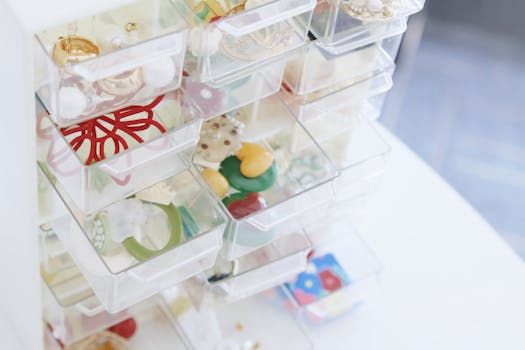
Lay out accessories on a tray or pegboard for a weekly “shop your own closet” routine. This visibility means accessories don’t get lost at the bottom of a drawer, and your outfits always feel fresh.
Create Modular Sets Based on Color Palettes
Choose three jewelry items and one belt in each of your preferred neutral colors: black, tan, or navy. Rotate these with any base outfit, guaranteeing instant polish with minimum planning.
When you buy a new accessory, ask “Which of my modular sets does this fit into?” If it blends easily, it’ll serve for multiple occasions—weekday, weekend, or events.
Anchor your entire set with one bold color (like cobalt or coral) for days you want more pop. This approach makes accessorizing outfits less of a guessing game and more about easy creativity.
- Sort accessories into four trays: metals, colors, neutrals, and special occasion.
- Set up an “emergency kit” (watch, hoops, slim scarf) near your exit door.
- Post a cheat-sheet inside your closet: “gold hoop + tan belt + navy crossbody = ready fast.”
- Limit scarves or hats in your everyday tray to three each, to reduce decision fatigue.
- Swap tray contents seasonally—move heavier pieces out of sight in summer, lighter ones away in winter.
Once you have a rotation, you’ll get through accessorizing outfits with a repeatable method—even half-asleep on busy mornings. Pick from one tray, combine with your favorite modular set, and you’re done.
Mind the Details That Most People Skip
Addressing overlooked details elevates your accessorizing outfits game from good to expert in micro lifestyle skill. Polished accessories show care and make basic clothes feel personally chosen, not generic.
Unpolished shoes, scuffed hardware, or tangled necklaces detract from your overall effect. Quick routines before leaving the house keep your efforts visible and lasting.
Quick Maintenance Routines for a Sharper Look
Before heading out, spend two minutes buffing shoes, detangling necklaces, or tucking in loose bag straps. This habit gives you the benefit of accessorizing outfits without distractions or the last-minute scramble for something unscuffed.
Wipe sunglasses and watches with a microfiber cloth—it’s as fast as grabbing your keys. People notice shine and clarity, even if they can’t pinpoint why an outfit feels better.
Keep spare earring backs, safety pins, or a lint roller tucked inside your main bag. It’s a lifeline—one safety pin can rescue a loose belt or snapped necklace, keeping accessorizing outfits looking intentional and finished.
Adopt a Signature Move to Stand Out Effortlessly
Committing to one signature accessory makes accessorizing outfits less overwhelming and always interesting. Your “move” might be a color, a shape, or a favorite category like hats or scarves.
Consistency helps people remember your style. Your favorite item signals reliability, making style choices feel easier, even when days get busy or routines change.
Building a Repeatable Formula With Confidence
Try this script when leaving in the morning: “Did I include my signature?” That keeps accessorizing outfits focused—maybe you always wear a red watch, or a special signet ring.
If you prefer hats, set three visible near your mirror. Swap them based on mood—beret for creativity, baseball cap for casual, felt fedora for assertive polish. You’ll boost confidence with very little effort.
Other ideas: stack mixed-metal rings, always add a pocket square, or roll a sleeve to show a favorite watch. That dependable cue becomes your personalized stamp and makes accessorizing outfits your micro skill.
Reframe Accessorizing as a Daily Micro Lifestyle Habit
Small decisions about accessories add up, transforming how you feel in your clothes each day. They help you claim control of your image and bring in variety without big wardrobe changes.
Practice makes subtle accessorizing outfits easier—soon you’ll reach for a favorite bracelet or scarf without pausing, much like tying your shoes or grabbing your phone.
Over time, tiny skills like rotating trays, maintaining shine, and layering become automatic. Each day you build a tiny, stylish win as part of your micro lifestyle toolkit, stacking practical skills for any event.
Frequently Asked Questions
What’s the best way to start accessorizing if I feel overwhelmed?
Start by wearing just one focus item, like a watch or simple ring, with your go-to outfit. As this feels more natural, experiment by adding a second accessory from a different category (like a scarf or bag). Build skills in steps.
How do I keep accessories organized so I use them regularly?
Group by type and store visibly on trays, pegs, or in open boxes. Rotate them weekly to avoid decision fatigue. Create a small “core set” in your busiest area for fast and reliable options on hectic mornings.
What accessories work for a minimalist wardrobe?
Stick to neutral metals, one scarf with a subtle pattern, slim belts, and one versatile bag. Mix textures for interest. These basics work with all outfits, making accessorizing outfits simple while keeping packing or storage efficient.
Can I combine gold and silver when accessorizing outfits?
Mixing metals works well if you repeat the color at least twice—like gold hoops and a gold-buckled belt. Layering both metals with clear intent, rather than at random, keeps the style modern and anchors your look.
Are seasonal accessories worth switching out?
Absolutely. Lightweight scarves, canvas totes, and pastel jewelry fit warmer months, while chunkier knits and dark metals feel right in the cold. Rotating with the season refreshes even the most basic wardrobe, letting you rediscover old favorites.