There are those mornings when time seems to slip away, yet the urge to look put-together persists. Ever wish you could glide through outfit coordination without the endless guessing? You’re not alone—smart dressing is more than just a skill, it’s a mini-miracle before coffee.
Rushed routines can make getting dressed stressful, often leading to unplanned combinations or repetitive looks. Outfit coordination transforms dressing from a chore to a simple, organized Micro Lifestyle Skill that sets the tone for your entire day.
Within this article you’ll discover concise strategies, checklists, and real-life examples you can use tomorrow. Give yourself five minutes: outfit coordination is now manageable, efficient, and even enjoyable.
Prepped Closets Lead to Effortless Decisions
Setting up your closet intentionally prepares you for lightning-fast outfit coordination each morning. Arranging pieces with a clear system means less searching, more selectivity, and fewer last-minute pivots before work or class.
One proven method uses visual micro-zones: keep shirts, pants, jackets, and accessories grouped together, making mental outfit snapshots easier. This system mimics how you’d assemble ingredients for a recipe, building familiarity as you go.
Micro-Zoning for Visual Clarity
A closet divided into clear zones—by garment type or color—removes overwhelm. This zone mentality lets your brain scan possibilities instantly. Think of it like finding utensils in a sorted kitchen drawer, instead of rummaging in disarray.
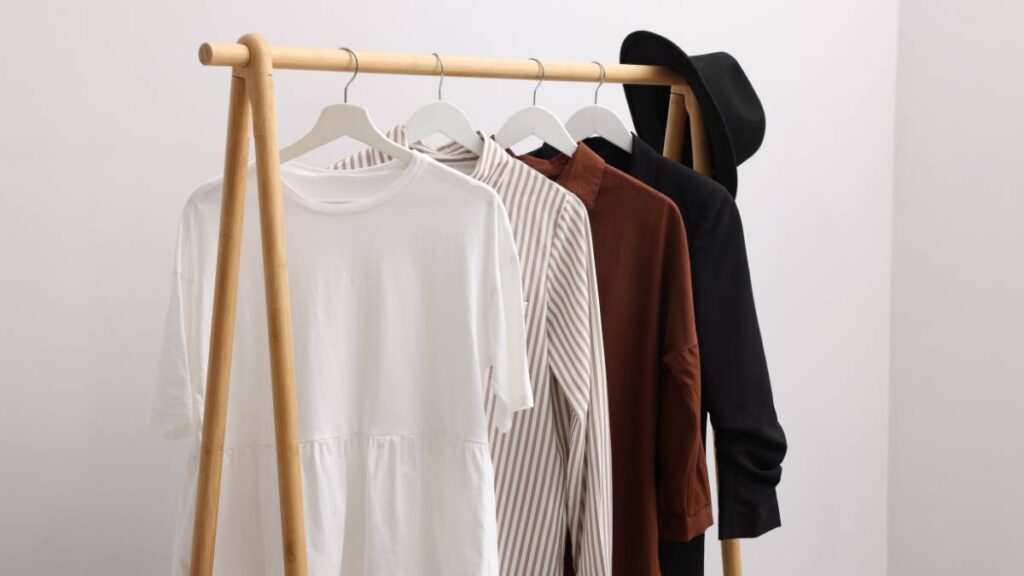
Hang your most-worn pieces at eye level, and sequence them by category, not just color. For example, keep your go-to slacks next to reliable shirts so you instinctively coordinate outfits while moving through your micro-zones—streamlining every morning decision.
Use dividers or slim boxes for small items like belts, scarves, or socks. If you can see it, you’ll remember it, which accelerates outfit coordination by eliminating surprise clothing “blind spots” as you’re dressing on autopilot.
Rotating Seasonal Favorites
Outfit coordination accelerates when only seasonally appropriate items are visible. Shift off-season clothes to high or low shelves, bringing current favorites front and center. This prevents accidental time-wasting on unsuitable options.
Reassess what’s visible at the start of every season. A quick swap—pulling out lighter fabrics or retiring heavy knits—ensures you’re always choosing from relevant layers. This recurring micro-task makes each coordination session swifter and more predictable.
Label baskets, bins, or hangers with the season or weather type. Clear tags reduce cognitive load and make retrieval go smoother, especially when you’re barely awake. The fewer choices you face at 7:00 am, the faster outfit coordination flows.
| Micro-Zone | What to Include | Organization Tip | Actionable Takeaway |
|---|---|---|---|
| Shirt Zone | Work shirts, casual tees | Hang by sleeve length | Scan left-to-right for quick selection |
| Pants Zone | Trousers, jeans | Fold or hang in visible sequence | Group neutrals together |
| Accessories | Belts, scarves, watches | Use open bins or hooks | Keep daily-use items at hand height |
| Jackets/Outerwear | Layering pieces | Use sturdy hangers | Rotate by season for instant access |
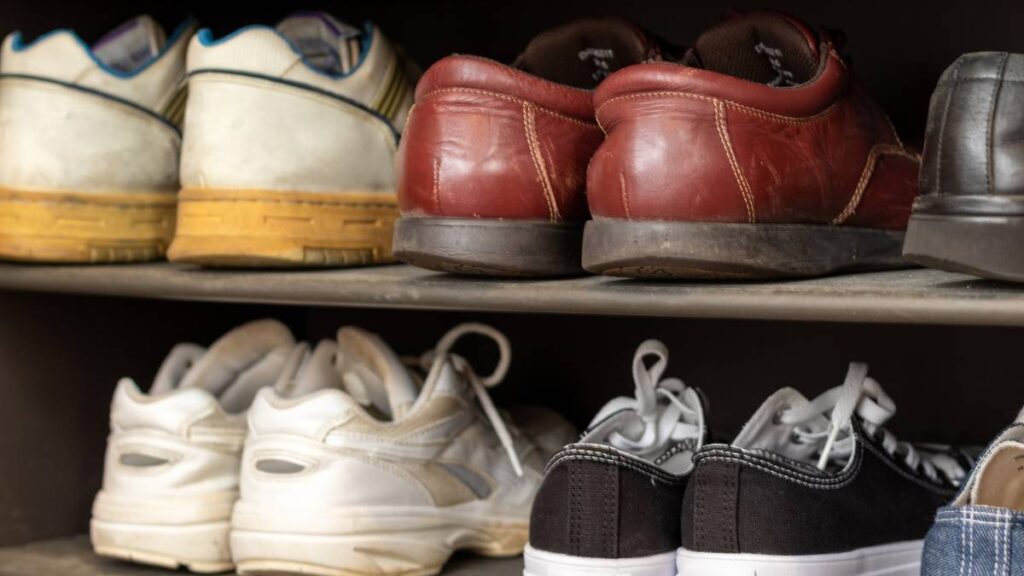
| Shoes | Work and casual footwear | Stackable racks | Arrange by frequency of use |
Making Outfit Coordination a Nightly Habit
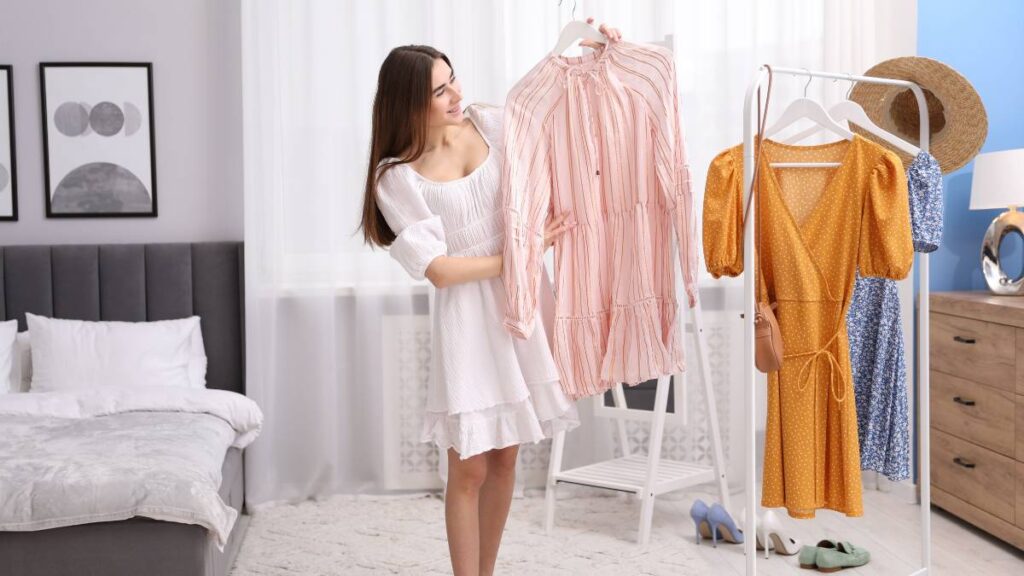
Preparing your outfit the night before delivers immediate payoff in the morning: you leave nothing to chance. This habit can transform into a game, testing how quickly and accurately you can put a look together each evening.
Instead of waiting until you’re half-awake, lay out your whole ensemble—including accessories and shoes—on a surface or dedicated hook. This guarantees you’ll spot any mismatches or missing elements in advance.
Micro-Checklist for Prepping At Night
Keep a written or mental list by your closet: check top, bottom, layer, accessory, shoes, weather, and purpose. Confirm that everything is clean and pressed. This checklist routine turns the process into muscle memory over time.
- Pick out your full outfit after dinner so you’re not rushed or distracted. This suits people who like to plan ahead and value peace of mind at bedtime.
- Match your basics first, then build around them rather than trying to style statement pieces under pressure. This “anchor first” mindset preempts morning indecision.
- Set a five-minute timer to streamline the habit, making it compact and repeatable. Small constraints build consistency over a week.
- Layout shoes and work bag together—don’t overlook what you’ll reach for last, since that’s when you’re most likely to rush or forget something critical.
- Double-check the weather forecast and adjust layers as needed. No more midday outfit regrets or frantic returns home for forgotten jackets.
A quick nightly review means you wake up with clarity—outfit coordination is already done, and you’re guaranteed at least one smooth start each day.
Building a Nightly Ritual that Feels Rewarding
If you pair the routine with something enjoyable—like your favorite playlist or scented candle—you’ll look forward to prepping. The positive cue connects outfit coordination with relaxation instead of more admin tasks.
- Play an upbeat song while choosing clothes. Rhythm helps pace the micro-task, reminding you not to overthink—five minutes can really be enough.
- Invite a partner or friend to join and swap ideas aloud. Sharing “I’m thinking of pairing these shoes” builds momentum and cuts analysis paralysis.
- Reward yourself post-task with a mini ritual: a cup of tea or a five-minute phone scroll. Associating coordination with positive downtime makes it stick.
- Keep a notepad close for jotting style ideas as they come. Dressy or casual, noting inspiration at night means you’ll act, not stall, come morning.
- After several nights, review what combinations worked. Notice items that never make the cut—rehome or store them to refine your closet further.
This small investment yields a smooth, predictable start where morning dressing becomes an afterthought, not an obstacle.
Prioritizing Versatile Anchors Over Standout Pieces
Anchoring every combination with reliable basics speeds up outfit coordination and reduces decision fatigue. Choose pieces that work “under pressure”—those you know always fit, flatter, and layer effortlessly.
For faster mornings, leverage a handful of mix-and-match workhorses—well-cut pants, neutral tees, classic jackets—and spice up the look only after the base is set.
The “Base-First” Rule in Action
Begin with a neutral or monochromatic foundation. Think “gray trousers and white tee”; only then add a colorful scarf or patterned shoe. This method creates a safe launching pad each day.
Run a quick fit-check by standing in front of the mirror with the core on. If you feel comfortable and the fit is right, you’re halfway there. Adding one bold detail makes the outfit memorable without stalling the process.
If you’re stuck, default to the “two-item minimum”—pants and a shirt must coordinate; accessories can wait. This keeps quick outfit coordination achievable and avoids wasted time second-guessing statement pieces before the basics align.
Keeping a Go-To List Handy
Create a written or mental “If in Doubt” list of outfits that always work. Update this lineup every few weeks with combos that got compliments or felt especially comfortable.
Store this list near the closet or inside a notes app on your phone. Outfit coordination excels when you remind yourself what already succeeds—less experimentation means fewer mistakes under pressure.
As trends shift, replace one item per quarter from the go-to list to keep outfits fresh. This way, every season lends a new angle without reinventing your five-minute system.
Streamlining Accessories for Fast Impact
Accessories elevate outfit coordination without taking extra time. Position jewelry, watches, and scarves in clearly labeled trays or on pegboards for unhurried grabbing, even when you’re rushing.
Set a “one-and-done” rule for weekdays: aim for one standout accent per look. This acts like a chef’s finishing salt—enough flavor, never overwhelming.
- Keep a daily tray with five pre-selected accessories. Rotate these every Sunday evening, so you begin each week with effortless options you genuinely like.
- Pair metallics with solids to add polish—think silver watch with navy slacks. Lay these combinations out together to save even more time each morning.
- Use lightweight scarves or belts for instant color or silhouette shifts. Place these on the hanger with tomorrow’s shirt for ultra-quick integration.
- Store earrings and rings in divided dishes left atop your dresser. Out of sight, out of mind—visible storage guarantees outfit coordination includes the finishing touch.
- Photograph your favorite looks and put the image beside your tray. Visual prompts encourage creative pairings when you’re short on ideas or energy.
Simplify choices, limit distractions, and let proven combos lead. In five minutes, accessories amplify impact without slowing you down.
Using Color Pops and Layers to Save Time
Color and layering offer all the flexibility you need to tailor outfits on the fly. Bold socks peeking out from under trousers or layered lightweight jackets maximize shuffle speed without sacrificing style.
- Add one pop of color via shoes or a bag. This signals intention and injects personality without overcomplicating outfit coordination.
- Choose two base layers every morning: a shirt or tee plus a cardigan or shacket. Swap one piece if the vibe feels wrong, rather than starting over.
- Stack lightweight pieces on your dressing chair the evening before. This creates a mini “wardrobe bar” for quick decision switches at dawn.
- Keep a visible “panic-grab” sweater for chilly unexpected weather. Fold it just inside the closet door for no-hesitation access.
- Pair neutrals together for foolproof results. Beige with gray, black with navy—less risky, always tidy—and add a bold accent only if you want more flair.
Each color or layer is a tweak, not a full reset. Morning outfit coordination becomes a series of minor nips and tucks, never a stress-fueled puzzle.
Resetting Your Five-Minute Process Every Sunday
Weekly resets allow your five-minute outfit coordination system to keep pace with changing priorities. Sundays are the ideal point to reassess and refresh what you’re reaching for each morning.
Scan your rack for items you haven’t touched all week and rotate them out of immediate reach. This keeps sightlines clear and ensures the most-used pieces always take priority, not forgotten impulse buys.
Micro Audit: What to Remove
Dedicate two minutes to spot items with missing buttons, loose seams, or visible wear. Move them aside for weekend repairs or to donate—don’t let broken pieces slow you on busy mornings.
If anything feels fussy or uncomfortable, demote it to a lower shelf. Outfit coordination is about reliability: every item at eye level should be ready to wear as-is, no second-guessing required on a time crunch.
Group items that rarely get used but still work together—for instance, grouping “office event wears” on special side hooks—so they’re handy only when truly needed, not cluttering the daily mix.
Spot-Testing Combos for the Week Ahead
Pair up unfamiliar tops and bottoms, hang them together, and see which combinations you might enjoy. This pre-testing technique builds a bank of micro-ideas so you pivot fast if Monday’s pick doesn’t feel right.
Use post-its or clip tags to label these tries as “Monday Plan A” or “Tuesday Backup.” This naming habit removes morning ambiguity and keeps coordination agile for schedule or mood shifts.
Jot a note about how you felt in each combo if you wear them; update the lineup on Sundays. Outfit coordination improves every time you learn from actual experience instead of trial and error each morning.
Mini-Solutions for Last-Minute Emergencies
Emergencies will happen—coffee spills, torn hem, surprise weather. Outfit coordination is most powerful when you’ve built in swaps and fixes for worst-case scenarios without losing momentum.
- Keep a lint roller, stain stick, and mini sewing kit within arm’s reach. Acting fast here means you never scrap a planned outfit for a tiny issue.
- Stash an extra neutral tee and dark trousers on a hanger labeled “Plan B Outfit”—no need to rethink the whole ensemble if disaster strikes.
- Keep an umbrella and packable rain jacket just inside the door. Checking the sky before you leave becomes part of the five-minute routine.
- Have a “meeting upgrade” accessory—think sleek watch or statement earrings—on your dresser to boost any casual look instantly for unexpected video calls or pop-ins.
- Organize a small basket for “out the door” items like keys, phone, and badge. Outfit coordination includes being ready on all fronts, not just clothing.
Each of these micro-solutions makes quick pivots possible. Instead of letting mishaps derail your routine, you’ll simply activate the next stage of the five-minute plan and continue with confidence.
Five-Minute Outfit Coordination Leaves Room for Life
Building micro-skills for speedy outfit coordination means less time dithering and more time living. Routines that once sucked up precious minutes now flow smoothly, letting you focus on showing up, not just showing off.
As you iterate, this micro lifestyle skill frees energy for other priorities—family, breakfast, quick emails—while you still look and feel your best. What started as a stress point now feels like a superpower.
Every five-minute session is a chance to refine: adapt your system as your style, space, or work shifts. Outfit coordination remains dynamic, giving you agency over your mornings and self-expression.
Frequently Asked Questions
What if my closet is too small to zone?
Use clear boxes, tiered hangers, and shelf dividers. Assign one box per category and always return items to their homes. Outfit coordination works even in tight spaces with a defined structure.
How do I outfit coordinate when I work both at home and in an office?
Keep a core set of multi-use basics at the front, like neutral tees and slacks, and choose add-ons like blazers or cozy hoodies based on your destination each morning.
Any tips for coordination when traveling?
Stick to a color palette and pack clothes that easily mix-and-match. Lay out full outfits as you pack, and use a list so you’re not guessing each morning away from home.
How can I involve kids or teens in fast morning coordination?
Build a game: let them pick outfits for the week, or assign points for quickest coordination done well. Outfitting together makes it more fun and promotes independence and decision-making.
What do I do with sentimental pieces that don’t get worn?
Store keepsakes in a labeled bin separate from daily wear. Keep your active closet focused on usable pieces to maintain five-minute efficiency, and revisit keepsakes seasonally to decide on their role.