Barely-worn clothes can lose their vibrancy after just a few washes, leaving you frustrated and wondering what went wrong. No one wants their wardrobe looking dull prematurely.
Keeping clothes colorful isn’t impossible. With the right actions, you can prevent color fading and keep your favorite fabrics looking newer, longer. Each step truly makes a difference.
Stick around to discover smart laundry advice, actionable steps, and easy routines. Enjoy clothes that pop with color and skip the disappointment of faded favorites in your closet.
Choose Detergents Designed for Bright Colors
Switching to color-care detergents creates real results for those wanting to prevent color fading. These products form gentler bonds with dyes, reducing loss during regular washing cycles.
Paying attention to detergent selection saves more than time — it preserves the brightness you love. Let’s see how formulas, scents, and technology differ.
Color-Safe Solutions for Lasting Results
Detergents labeled “color safe” contain less harsh bleaching agents. Opt for these when washing reds, blues, and brights to prevent color fading from becoming unavoidable.
Laundry experts point to neutral pH and added fiber conditioners as standouts. These special blends help lock in dye molecules, even after repeated washing at home.
If a bottle says “for colors,” that’s your clear cue to use it on all your brights and darks, especially when you want your clothes to resist fading and general dullness.
Spotting the Best Detergent Fit for Your Closet
Single-use pods, concentrated liquids, and powders all offer unique benefits. Choose liquids or pods for easy measuring and good stain removal on color-rich fabrics.
Pod fans appreciate the no-mess drop-and-go, while powder loyalists stick to cost efficiency and customizable loads. Evaluate your own laundry habits and choose what fits best for preventing color fading.
For delicate wear, always opt for the lightest, bleach-free detergent you can find. If in doubt, test on a hidden seam or hem before laundering your entire garment batch.
| Detergent Type | Best Use Case | Color-Safe Feature | Takeaway |
|---|---|---|---|
| Liquid | Pre-treating stains; gentle washes | Yes (check label) | Use for delicate, heavily-stained items to prevent color fading |
| Powder | Large loads; everyday fabrics | Sometimes | Choose when cost is a concern and stick to color-safe options |
| Pods | Convenience, single load use | Yes (pre-measured) | Great for busy routines; ensure it’s labeled for colors |
| Eco-Friendly | Sensitive skin, environmentally safe | Varies | Double check for dye preservation to prevent color fading accordingly |
| Homemade Solutions | DIY, ingredient control | Usually mild | Spot test to verify if colors stay vibrant over time |
Banish Fading With Smart Wash Routines
Establishing a practical wash routine limits the impact of every cycle on color integrity. Action-focused habits directly prevent color fading throughout dozens of wash and dry sessions.
Organizing each laundry day helps keep even busy households running with vibrant wardrobes. Every small action stacks up to achieve consistent color preservation.
Sort Laundry Strategically For Brighter Results
Group clothes by color before every wash. Wash reds, brights, darks, and whites separately. Dyes transfer quickly, so one slip could ruin an entire load’s vibrancy.
Build a habit of checking for embroidery, prints, or multi-color pieces, placing them in their appropriate group. Always avoid mixing new clothes with older garments until you know if they’re prone to bleed dyes.
- Sort new clothes apart for the first few washes to watch for excessive color run.
This habit prevents accidental stains and fading from unfamiliar dye formulas you haven’t tested yet. - Group similar shades for each load, like mid-tone blues or deep earth colors. This helps prevent color fading across the board and avoids accidental dark-to-light dye transfer.
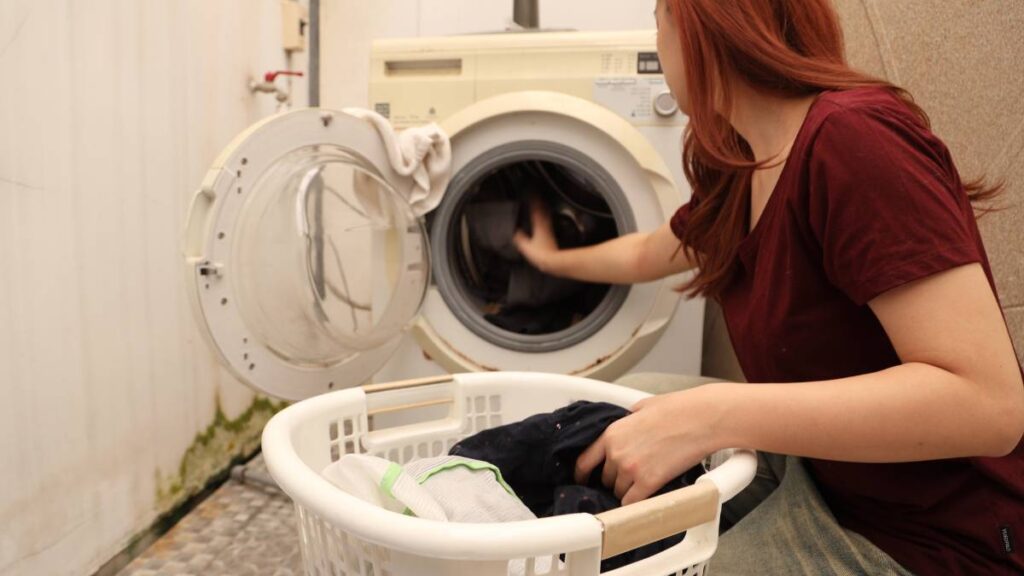
- Never overload the machine; too many clothes cause increased friction, leading to excess wear and faster fading. Keep loads moderate for best results.
- Flip clothes inside out before washing, especially with jeans and graphic tees. The inner fabric takes the friction, preserving exterior vibrancy.
- Spot check for loose buttons, snaps, or sharp zippers that can snag, leading to faded patches or pulled threads along vulnerable seams.
Right away, you’ll notice clothes stay vivid longer by following this simple, but powerful, laundry habit every single time.
Set Machine Cycles for Dye Protection
Selecting the correct TV and timer setting impacts wear and color intensity. Gentle and cold cycles are your two best allies for dye preservation.
Choose cold water for most loads — it works with most detergents now and actively minimizes dye loss for brights and darks. Avoid hot water to prevent color fading quickly.
- Set delicates to slow spin speeds to reduce fabric friction. This routine keeps surface fibers smooth and less likely to lose dye with agitation.
- Pick pre-programmed “colors” or “gentle” cycles for style-specific loads. These include more soak and less spin, exactly what dye-rich clothing requires.
- Rinse twice if your machine allows. This strategy ensures leftover detergent doesn’t strip dye in the dryer or with residual heat.
- Stay near when experimenting with cycle settings for the first time, especially after buying new clothes with unfamiliar care labels.
- Don’t wait between wash and dry; damp clothes left sitting can sometimes bleed dyes further — transfer clothes promptly to your drying setup.
Follow these routine tweaks each wash, and you’ll actively prevent color fading year-round, regardless of garment age or origin.
Optimize Water Temperatures and Levels for Dye Longevity
Adjusting water temperature and fill level in every wash means direct control over how much dye escapes into the laundry drum. The right settings stop fading before it happens.
Rinse and wash in cooler water to slow down dye transfer. For sensitive fabrics, using the “cool gentle” setting achieves excellent results.
Find the Sweet Spot for Cold, Warm, and Hot Cycles
Reserve hot water for bedding or whites only. Warm water suits lightly-soiled functional wear. But cold water continues to be the go-to for most casual colors.
If family members hesitate, demonstrate how cold-water laundry with quality detergent removes dirt effectively. This approach prevents color fading while saving energy bills simultaneously.
Pretreat stains with room-temperature water before washing. This keeps specific spots from needing harsher chemicals or hotter cycles that might strip color from the rest of the garment.
Fine-Tune Water Levels for Every Laundry Load
Overfilling your washer floods fibers, increasing dye loss, while too little water leads to abrasion and color rub-off. Aim for a moderate, garment-friendly balance.
Check manufacturer’s capacity settings to match load size to machine recommendations. Overcrammed drums result in faded, patchy clothes no matter the detergent quality.
If unsure, err on the side of a little extra water for heavier fabrics, but always double-check that clothes have room to move freely in the drum.
Dry Clothes With Gentle, Fade-Free Techniques
The drying phase gives you one last opportunity to prevent color fading before closet storage. Avoid excessive heat and machine drying whenever possible for best results.
Think about sunlight like bleach — it strips pigment out of fibers over time. Opt for shade-drying or indoor setups when drying brights or deeply dyed items.
Lay Flat or Hang? Choosing the Right Drying Method
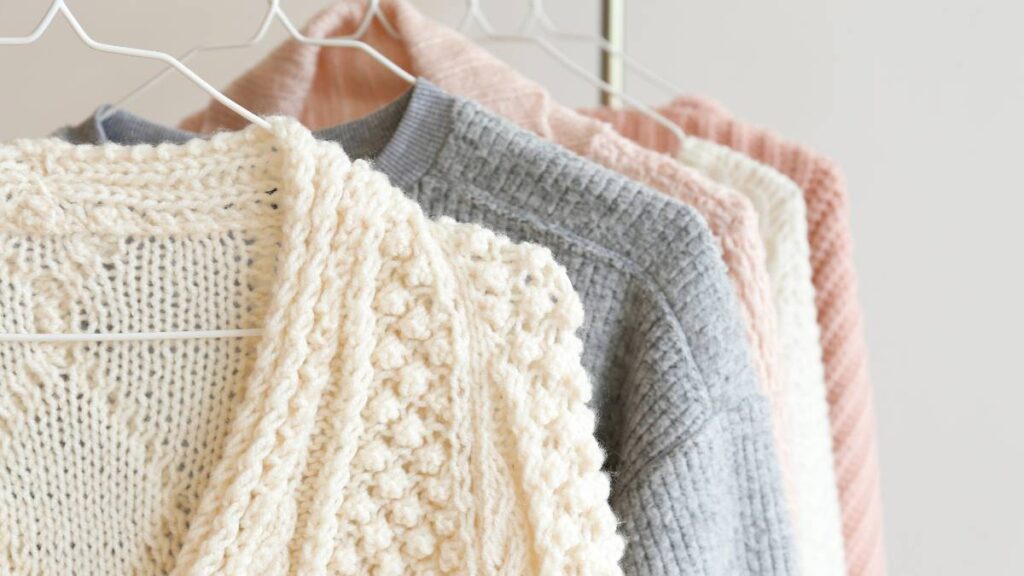
Lay delicate sweaters and knits flat to dry; this conserves both structure and color. Hanging is best for lightweight tops but use padded hangers to avoid shoulder fuzz or marks.
For pants or jeans, clip hems (not waistbands) to dry. This reduces dye loss at high-friction spots and helps jeans keep their rich tint coverage from top to bottom every time.
Rotate drying angles or gently shake garments mid-process to ensure even exposure. Streaky fading shows up quickly if one part of a shirt dries much faster than the rest.
Protect Garments from Sun and Heat
Set up a drying rack in a shaded, breezy spot and keep garments away from direct windows. If a balcony gets full sun, drape a light towel over brights to absorb the harshest rays.
For dryer use, select a low- or no-heat setting, and stop the cycle while garments are slightly damp. This gentle approach keeps dye locked in while also reducing wrinkling.
Try dryer balls for air fluff with minimal abrasion. If you must dry tees or sweatshirts, turn them inside out first, so the inside bears the brunt of the drying cycle’s force.
Enhance Dye Retention With Simple Additives and Rinses
Incorporating everyday items like vinegar, salt, or baking soda into rinse cycles gives clothing an added layer of dye protection at home. This technique fits seamlessly into current routines.
While no home method is perfect, using these ingredients as directed definitely makes it much easier to prevent color fading, especially for DIY laundry fans on a budget.
Add Vinegar or Salt for Extra Dye Hold
Pour a half-cup of distilled white vinegar into the final rinse. The mild acid helps set residual dye into fabric, especially when washing new garments for the first few times.
Add a tablespoon of table salt to certain loads; it acts as a dye fixative for cotton or linen. Always dissolve salt completely in water before adding clothes to avoid residue buildup.
Use these techniques when pre-soaking new jeans or hand-washing deeply colored shirts. Both options help prevent color fading without leaving chemical odors or textures behind.
Leverage Baking Soda and Fabric Conditioners Wisely
Baking soda neutralizes minerals in your water, which can strip dye. Add a small scoop per load for a more color-safe rinse that doesn’t irritate skin.
Pick fabric softeners labeled “for colors” to prevent harsh chemical interactions. Avoid using too much softener — a little supports softness and dye retention, too much risks leaving buildup.
Combine these additives only with detergents that are also color-safe, and test each formula as you go. Results should produce softer, vibrantly colored clothes each cycle with little extra effort.
Integrate Pro Laundry Habits Into Your Weekly Routine
Building laundry routines with specific, proven practices helps you prevent color fading without thinking twice. Consistency means fewer mistakes and longer-lasting favorite outfits.
Assign laundry days for brights, darks, and whites, so nothing gets mixed by accident. Set reminders if you tend to forget or multitask while washing clothes at home.
Use Visual Cues for Easier Laundry Sorting
Keep color-coded baskets in your laundry area — label as brights, darks, whites, delicates. This quick setup helps families of all ages stick with proper sorting, load after load.
If you notice color bleeding in wash water, immediately rerun that load with cold water and extra rinse. Action now catches dye transfer early, saving your wardrobe from new light- or dull-colored blotches.
At the folding stage, inspect for wear or discoloration and adjust future laundry habits based on evidence. These micro-adjustments help prevent color fading over time.
Track Care Tags for Clothing Longevity
Read each garment’s care label before tossing into the wash. Phrases like “hand wash cold” or “wash separately” exist for a reason — follow their rules to the letter every cycle.
Create a quick-reference care chart in your laundry room for at-a-glance reminders. This saves seconds per load but adds years to your most-loved clothes’ appearance.
Share your system with housemates or family to build consistency. Fewer laundry mistakes lead to less stress, faded favorites, or expensive wardrobe replacements down the line.
Bring Your Best Colors Back Every Laundry Day
Each tip and example offered here arms you with tested strategies to prevent color fading. That means no more surprise dullness, splotches, or lost favorites after just a season.
Maintaining color in laundry doesn’t add stress — it makes each wash satisfying, knowing your wardrobe looks its best. Mastery here saves resources, too, in fewer garment replacements.
Begin implementing even one action today. Watch your shirts, pants, and special items stand out for months to come — and enjoy the confidence that comes with clothes as bright as your style.