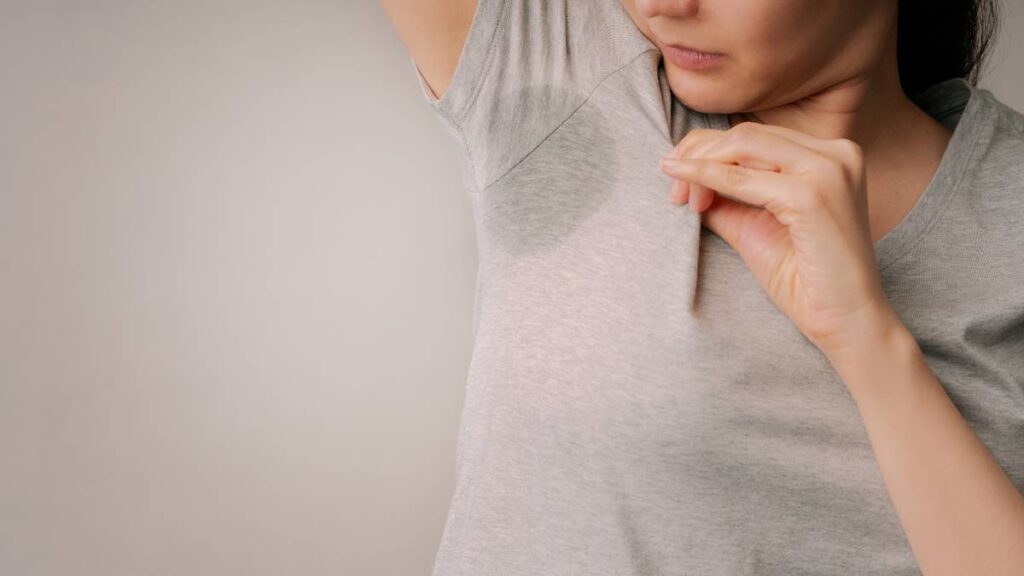
Unexpected marks on your shirt can turn a day sideways fast—especially when you’re on stage or in the spotlight. Everyone faces moments where stress and heat collide.
Feeling in control matters when major events call for some composure. When you know how to prevent sweat marks, you move and shake without distraction or embarrassment.
Explore practical ways to prep, dress, and act so sweat stays quiet. Here you’ll find step-by-step routines, product tips, and helpful scenarios for real confidence.
Dress Success: Fabrics and Fits That Block Sweat Trouble
When you want to prevent sweat marks, start with your wardrobe choices. Materials, colors, and fit can immediately control visible dampness.
Cotton may seem breathable, but dense weaves trap moisture close to skin. Prioritize synthetic blends or moisture-wicking fabrics and opt for patterns or darker shades.
Match Material to the Moment
Avoid silk if possible – it highlights every drop. Instead, choose polyester or nylon blends labeled “moisture-wicking.” Look for shirts promoted for active wear.
Wool-blend suits create a buffer against sweat patches. Just ensure the lining is also breathable to prevent heat build-up.
Shirttails should rest comfortably at your sides. Tight clothing traps heat, but oversize gaps allow friction that encourages sweating.
Dress Rehearsal: Try It On and Move
Test your complete outfit before the event. Stand in bright light, raise your arms, and note where fabric bunches or clings hardest.
If your underarms feel snug, swap your undershirt for a looser performance tee. Try, “This tee gives my arms more room—I’ll wear this one.”
Lift, reach, and twist in the mirror. If you see shadowy spots before sweating starts, change either the color or cut.
| Fabric | Pros | Cons | Best Use |
|---|---|---|---|
| Cotton | Comfortable, easy to find | Absorbs sweat, shows stains | Light activities in cool climates |
| Polyester Blend | Wicks moisture, dries quickly | Can trap odor | Long events and performances |
| Nylon | Lightweight, moisture-wicking | Retains heat | Active social gatherings |
| Microfiber | Very breathable | Harder to find formal cuts | Outdoor summer events |
| Wool Blend | Insulates, absorbs less visibly | May itch if unlined | Professional or formal events |
Routine Reset: Planning Ahead for Dry Confidence
Prevent sweat marks by starting your prep well before any big moment. A steady routine makes a huge difference on event day.
Shower with an antibacterial soap the night before. Use a clean towel and let your skin air out before dressing in the morning.
Set a Sweating Prevention Game Plan
Apply a clinical strength antiperspirant right before bed. This timing gives aluminum salts extra hours to block sweat ducts overnight.
Repeat a thin morning layer after your shower. Dress last—avoid putting on shirts or dresses until your antiperspirant is fully dry.
- Switch to antiperspirant, not just deodorant, since it stops sweat at the source and prevents wetting-through during tense moments.
- Layer with an absorbent undershirt, choosing one made for moisture control so it traps wetness before it can reach your outerwear.
- Carry portable wipes or blotting pads in your bag for a quick underarm or back sweep if you sense sweat building mid-event.
- Keep a travel-sized bottle of spray antiperspirant ready for emergency stops—this acts fast if you notice increased sweating.
- Plan and test accessories like scarves or jacket layers that can cover trouble spots in a pinch without raising temperatures.
Stick to a familiar routine so you avoid surprises and can focus on the moments that matter most to you at the event.
Pre-Event Mental Reset
Practice a calming script: stand tall, exhale slowly, and tell yourself, “I’ve done my prep—I’ve got this.” Visualize yourself calm and collected.
If you get a surge of nerves, step somewhere private. Raise your arms, dab under them gently, and refocus your breathing before stepping back out.
- Arrive early to acclimate to the temperature and check mirrors or ask a trusted friend, “Does my shirt show any damp spots?”
- Avoid caffeine or heavy meals pre-event, as they stimulate stress sweat and make managing marks harder throughout the day or night.
- Schedule bathroom or mini-breaks hourly. Use these moments to check and freshen up discreetly when the schedule allows.
- Let colleagues or hosts know, “I’ll need a few moments alone before walking out,” so you create natural pauses.
- Choose seating near airflow or away from bright lights to lower your temperature and keep sweat production minimal as the event unfolds.
These techniques let you prepare both body and mind to prevent sweat marks and engage confidently in any situation.
Personal Kit: Wardrobe and Hygiene Tools to Stash
Building a go-to kit means you’ll always have backup options if sweat marks show without warning during important social or professional events.
Start with the basics—extra shirts, a neutral jacket, and deodorant wipes, plus a quick-change checklist you can follow in a restroom or backstage.
Stock a Smart Event Bag
Buy a set of disposable sweat guards and keep them in every main bag. Sweat guards stick inside clothing to absorb moisture before marks can form.
Include both spray and stick antiperspirant forms. Use the stick for morning prep and the spray for convenient, fast coverage if needed later.
Add compact facial tissue packs and a mini lint roller. Dab away moisture, then sweep away stray powder or fabric debris so your clothes always look neat.
Change System Workflow
Write out your emergency change steps on a card. Example: “Lock bathroom door, remove undershirt, check outer layer, line with sweat guard, reapply antiperspirant.”
Packing a small bag with rolled, neutral-themed backup clothing lets you swap pieces quickly. This gives you reassurance so you don’t freeze up under pressure.
If you see sweat on your clothes, press towels under the fabric (never rub) and use a hair dryer’s cool setting to air-dry marks before heading back out.
Behavior Tweaks: Actions that Minimize Sweat in Real Time
Deliberate posture, pacing, and speech habits give you real-time tools to prevent sweat marks while facing a crowd or camera.
Stand upright to boost airflow under your arms. Drop your shoulders back and subtly keep your elbows away from your torso as much as possible.
Personal Movement Patterns
Use smaller gestures during greetings. Instead of sweeping high-fives or wide arm motions, hold objects at waist level or use a nod over a handshake.
If you’re holding a microphone or prop, switch hands occasionally. This keeps one side open to air, which cuts down sweaty build-up on a single area.
Notice when you tap feet, bounce knees, or wring hands—these movements escalate sweating. Ground your feet and press fingertips together lightly to stay composed.
Pacing and Micro-Break Habits
If you sense sweat rising, excuse yourself as needed. Say, “I need a quick stretch; I’ll be right back.” This normalizes stepping away without awkwardness.
Layer short pauses into your schedule. Use bathroom stops to pat dry, breathe deeply, and refresh antiperspirant—a 90-second reset is enough.
During presentations, shift your stance instead of moving side to side. Staying still lowers body heat and helps actively prevent sweat marks from forming.
Environmental Controls: Setting Up Spaces for Low Sweat
Controlling your environment allows you to prevent sweat marks by reducing heat, humidity, and nervous energy from the surroundings.
If you can set the thermostat, aim for 69–71°F. Open windows before guests arrive or look for seating near vents and fans to promote cool air flow.
Venue Prep Checklist
Talk to hosts or organizers ahead of time. Directly ask, “Will airflow be managed well? Can I sit or wait near a fan before going on stage?”
Bring a small, portable fan if you’re not sure about the space. Personal fans fit in bags and add instant cooling for quick touch-ups while waiting.
Use an absorbent tissue under your arms right before stepping out. Drop it discreetly and check a mirror—this way, you catch sweat before it’s visible.
Tech-Support: Products and Apps to Track and Prevent Marks
Smart tools—wearables and apps—give data and reminders so you prevent sweat marks, even if you lose track during a busy event schedule.
Try a wearable thermometer patch that sends warnings if your body heat rises. Set phone alarms every hour as a check-in to inspect, reapply, and re-center.
Digital Tracking and Feedback
Install hydration reminder apps to prompt you to drink cool water ahead of public moments. Staying hydrated supports normal body temperature and controls sweating.
Use sweat-detection pads linked to your device—these trigger gentle reminders to check your underarms. Calm yourself using guided-breathing app features when alerted.
Document your routines using simple note apps: “Antiperspirant at 8am, shirt change packed, arrival early, venue cooled.” Seeing your plan reassures you and lowers stress sweat.
Event-Day Scenarios: Quick Fixes and Language Cues to Use
Realize that even careful plans don’t always work. Sometimes, sweat marks will appear during a key moment, but response scripts can save you.
Award winners, speakers, or job interviewees use quiet self-talk: “Pause, address, continue.” Head to the nearest bathroom, press a tissue inside your shirt, and count to five.
Sample Phrases in Stressful Moments
Politely excuse yourself: “Could I have a moment? I’ll be right back.” Colleagues who see self-care routines usually respect your approach.
If you spot sweat on a colleague, offer your prepared wipes or a spare undershirt: “Here, take this—quick freshen-ups really work for me in busy settings.”
For visible marks mid-presentation, move briefly behind a podium, pause for water, and return.
Mini Story: Turning a Mishap Around
Picture this: your shirt reveals sweat during a pitch. You use your backup jacket with practiced ease, exhale, and smile, regaining control and composure.
When you feel heat creeping in, don’t freeze up. Step back, do a five-second tactic learned from practice, and rejoin confidently—no need to apologize aloud.
Carry the phrase “I’ve prepped for moments like these,” silently in your head. Trusting your protocol will help reduce sweating and restore focus for what comes next.
Keep Moving Forward: Reliable Habits for Lasting Confidence
Each strategy you use to prevent sweat marks works best when you integrate them into your daily routines and event-building habits.
Reflect on which tips fit your lifestyle—update your kit, refresh your checklist, and adapt your garment picks as your professional or social roles change.
You can approach major moments with freedom and calm. These habits ensure you stay dry, visible, and in charge whenever it counts.