Standing over a slow-draining sink can dampen your kitchen spirit—especially when strong chemical fumes fill the air. For those wishing to unclog sink naturally, effective options truly exist.
A blocked drain disrupts your daily flow and quickly becomes more than a minor inconvenience. Natural solutions reclaim convenience without jeopardizing your health or your pipes.
This guide explores practical methods for anyone eager to try alternatives. If you’re ready to restore water flow and keep your home chemical-free, you’ll discover actionable steps right here.
Tested Home Tactics to Restore Free-Flowing Drains
Addressing a gurgling or backed-up drain without chemicals prioritizes both your health and your plumbing. The following tactics consistently deliver real results any homeowner can apply.
Materials you have on hand shape your options. Nobody needs special equipment to unclog sink naturally, but the best approach depends on the clog’s stubbornness and the tools within arm’s reach.
Baking Soda and Vinegar Reaction in Action
A classic duo for unclogging drains, baking soda and vinegar create a fizzy reaction that attacks organic clogs. Pour half a cup of baking soda right into the drain first.
Next, follow up with a cup of vinegar. You’ll likely hear a gentle bubbling noise. Cover with a damp cloth and let the solution fizz for fifteen to twenty minutes.
Flush the sink with boiling water. If water drains freely, you’ve successfully managed to unclog sink naturally. If not, moving to mechanical methods helps.
Plunger Technique That Works Every Time
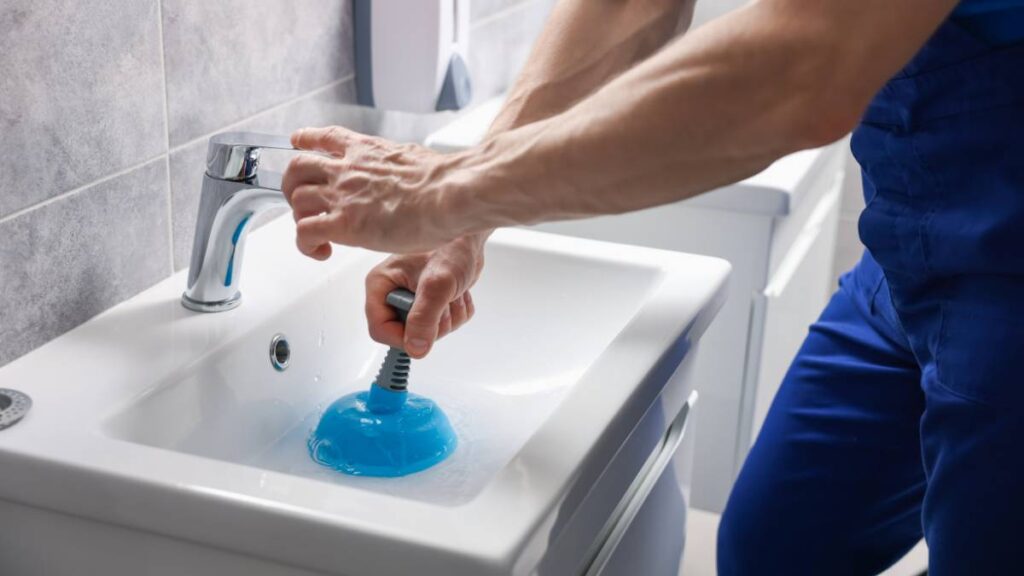
Firm plunging rarely fails to dislodge sink clogs, provided the seal is airtight and the action is forceful. Fill the sink with enough water to cover the plunger’s rubber cup.
Position the plunger directly above the drain. Push down forcefully, then pull up quickly, repeating this motion eight to ten times and monitoring the water movement.
Lift the plunger to check if water flows. If needed, run hot water down the drain. Persistent slow drains warrant a check for trapped debris before repeating.
| Natural Method | Best Use Case | Time Required | What To Try Next |
|---|---|---|---|
| Baking Soda + Vinegar | Soft organic clogs | 30 minutes | Add boiling water flush |
| Plunger | Solid food debris | 10 minutes | Use plumber’s snake |
| Boiling Water | Grease buildup | 5 minutes | Repeat or try baking soda |
| Plumber’s Snake | Deeper, tough blockages | 20 minutes | Disassemble P-trap |
| Manual P-Trap Clean | P-trap blockages | 30 minutes | Recheck with soda/vinegar |
Boiling Water Method for Grease and Grime
Superheated water can dissolve greasy residue clinging to pipes. Always prepare for this technique by ensuring the sink is entirely free from standing water first.
Heat water until it boils, then gently pour it down the drain in two or three stages. Watch steam rise and listen for sounds—the goal is to dislodge greasy clumps.
Safety-First Steps When Handling Boiling Water
Wear kitchen mitts and pour slowly, aiming directly into the drain. Hot water contact can burn skin. Steady hands and gradual pouring protect both you and the sink area.
Wait roughly thirty seconds between pours. This pacing lets the scalding water reach the blockage and melt grime more efficiently, making it easier to unclog sink naturally.
- Boil water in a kettle for easy pouring—helps control direction and volume while reducing spill risk
- Hold the kettle spout close to the drain—reduces splash and maximizes heat where it’s needed most
- Use oven mitts to pour—protects hands and wrists from accidental steam burns
- Inspect sink pipes for plastic parts—only pour boiling water if you’re sure all fittings are metal
- Let pipe cool down between pours—prevents heat damage and prolongs pipe lifespan for repeated use
Repeat boiling-water flushing twice for stubborn grease. Check drainage speed each time to see steady improvement before moving to other “unclog sink naturally” tactics.
When Boiling Water Needs Backup: Use Baking Soda
If water drains sluggishly after boiling water, sprinkle baking soda down the drain, then add more hot water. This simple addition enhances grease-dissolving power and freshens odor.
The chemical reaction between hot water and baking soda loosens grime stuck further down pipes. Alternate pouring and wait periods for optimal results.
- Add baking soda after your first boiling-water flush—gives time for heat to soften residue, allowing baking soda to work deeper
- Let mixture sit ten minutes—don’t flush immediately; lingering helps dissolve remaining grease patches
- Finish with a hot water rinse—removes any dislodged debris and keeps pipes clear
- Repeat this process every two weeks—regular maintenance prevents new clogs
- Use this combo after heavy cooking sessions—IDEAL for holiday cleanups or large meal prep days
Short maintenance routines using baking soda and hot water help unclog sink naturally and keep drains smelling fresh year-round, cutting down future emergencies.
Mechanical Removal Using A Plumber’s Snake
Manually breaking up the clog with a snake reaches blockages too deep for plungers or chemical reactions. This method delivers immediate results and keeps pipes free from tough debris.
Insert the plumber’s snake into the drain opening, pushing gently while turning the handle clockwise. Resistance signals the obstruction’s location. Rotate and push to snag or break apart the clog.
Correct Technique for Effective Snaking
After feeling resistance, crank the handle steadily. Moves should feel deliberate—never force or jerk. When you feel the snake loosen or spin freely, you’ve likely broken up the clog.
Continue rotating while withdrawing the snake. This pulls out residue clinging to coils or breaks up compacted sludge, further helping to unclog sink naturally without mess.
Flush with hot water after using the snake. This rinses away smaller leftover particles and allows you to judge whether flow has returned to normal. If not, repeat snaking process.
Working with P-Trap Cleanouts
Sometimes, a visible clog or persistent slow drainage demands checking the P-trap. Place a bucket underneath, then unscrew the slip joint nuts that hold the P-trap in place.
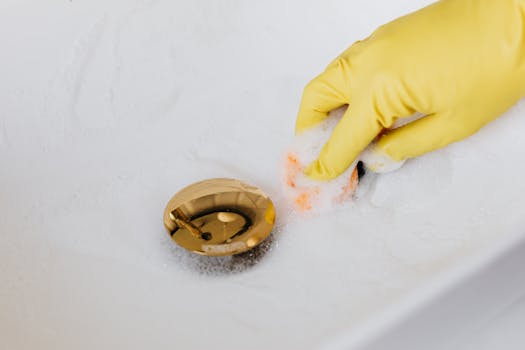
Clear out debris using gloved hands or a snake. Rinse the trap with warm water, then reassemble carefully before running another flush test. Always check that seals are tight.
A clean P-trap means the next time you need to unclog sink naturally, upstream drains operate more efficiently, reducing the risk of recurring issues throughout the home.
Barrier Steps to Prevent Future Clogs
Changing habits reduces the need to unclog sink naturally, keeping the drain cleaner longer. Direct actions make a difference in daily use and long-term function.
Strainers catch food and debris before they slip into pipes. Installing one is a quick move, while mindful kitchen habits reinforce natural drain health every day.
No-Grease Rule at the Sink
Wiping greasy pans, plates, and utensils with paper towels before rinsing stops oils from hardening inside drains. This one-minute step means fewer clogs overall and less maintenance needed.
Drop cooled grease into a disposable container instead of pouring it down the drain. Store for trash pickup. This effective routine supports every effort to unclog sink naturally.
Use a scrape-and-dispose habit daily, especially after frying, roasting, or slow-cooking. Over time, this small ritual protects pipes for years while making clean-up easier.
Regular Baking Soda Flushing Rituals
Pour a quarter cup of baking soda into the drain each Wednesday, followed by hot water. This simple rhythm keeps lingering residue from turning into stubborn obstructions.
A weekly “baking soda Wednesday” is easy for families to remember and helps maintain an unclog sink naturally lifestyle across different kitchen users.
Continue flushing every week and after heavy cooking to enhance ongoing protection. Teach this routine to children or housemates for effective, long-term maintenance.
Smart Responses When DIY Fixes Aren’t Enough
If water refuses to budge or drains emit odd gurgling noises, don’t persist with natural methods alone—potential blockages may lie beyond reach or involve damaged pipes.
Contacting a professional plumber is warranted when multiple sinks or appliances drain slowly, signaling a complex problem that’s tough to unclog sink naturally using home supplies alone.
Assessing for Underlying Plumbing Issues
Watch for warning signs: water standing in the sink overnight, unpleasant odors, or backflow into adjacent fixtures mean the clog could be deeper or more widespread.
Plumbers use specialized cameras and longer snakes to locate and break apart severe obstructions. A prompt assessment prevents long-term damage and keeps your kitchen operational.
Schedule repairs quickly to avoid costly fixes down the road. Acting swiftly after unsuccessful DIY attempts protects your investment and maintains a safe, hygienic space.
What to Say When Calling a Plumber
Describe the issue plainly: “The kitchen sink is draining extremely slowly despite trying multiple natural methods. Gurgling sounds continue and I’m concerned about possible pipe blockages.”
Expect the plumber to ask if you’ve used chemical drain cleaners or disassembled any pipes. Providing details ensures faster diagnosis and safer repairs for everyone involved.
Be available for any questions and clear the work area before the plumber arrives. Cooperation speeds up the process and leaves your home cleaner, promoting a stress-free visit.
Customized Strategies for Kitchen and Bathroom Sinks
Sinks differ by design and use. Kitchens collect more grease and food, while bathrooms typically see hair and soap scum. Adjusting your unclog sink naturally approach is crucial for efficiency.
Choose techniques based on where—and what type of clog—you face. Being honest about usage habits guides you to the quickest, most lasting solution for every scenario.
Example: Kitchen Sink with Frequent Grease Build-Up
After a week of heavy home cooking, a resident might notice water pooling around the drain and a faint sour odor. They’d say: “Looks like grease is slowing things down again.”
A baking soda followed by boiling water flush tackles this specific residue well. Repeat the cycle three times while gently agitating the water to speed results and keep the kitchen fresh.
Finish by adding a sink strainer and starting “no-grease” kitchen rules. This closes the loop: unclog sink naturally now, then prevent future messes with daily attention and teamwork.
Example: Bathroom Sink Clogged with Hair
When water trickles away after brushing teeth, there’s a good chance that hair or toothpaste and soap scum caused the clog. A housemate might remark: “The sink’s draining slower every morning.”
Using a hooked drain cleaning tool or straightened wire hanger, insert it and gently pull up any visible debris. Follow with baking soda and vinegar, letting fizz break down stubborn residues.
Install a mesh drain catcher and repeat monthly cleaning rituals. This targeted approach helps unclog sink naturally and keeps bathroom routines swift and pleasant for every user.
Natural Drain Unclogging: Your Path Forward
Simple steps, practiced regularly, let any homeowner unclog sink naturally without resorting to harsh chemicals or calling for help at the first sign of trouble.
Every technique—from boiling water to baking soda and hands-on tools—matters in bringing peace of mind and a fresher home environment, one clear drain at a time.
Adopt these strategies to handle blockages confidently and prevent reoccurrence, protecting both your household and the environment with mindful daily habits you can be proud of.