

Some days close with a rush, others fade without notice. Wrapping up with a quick end of day routine establishes a mental boundary and signals closure.
The transition from work to rest is crucial for well-being. This article explores why building a predictable end of day routine can change not just your evening, but your relationship with work.
Stick around for specific steps, language you can use, and micro-habits to try tonight. Let’s map an end of day routine you’ll actually want to stick to.
Start Every Shutdown with a Reality Check and Clear Intention
Finishing work is easier with a simple check-point: confirm what you finished, what remains, and say aloud, “That’s it for today.” This triggers an end of day routine reliably.
Many people keep their workday open-ended, which blurs boundaries. Instead, an end of day routine should provide a clear closure signal—both mentally and physically.
Announce Completion Out Loud for Better Closure
Saying, “I’m wrapping up now,” out loud lets your mind accept that work is over. This sounds simple, yet your brain registers this audible trigger as a real action.
This micro-habit cues a sense of completion, similar to setting your mug down after morning coffee. Each night, this spoken step strengthens your end of day routine.
Test this tonight: close your laptop, look at your workspace, then say aloud—confidently—“Today is done.” Notice how it changes your evening’s unwinding phase.
Review Tasks with Physical Gestures to Reinforce Shutdown
Many professionals shut down digitally but forget physical cues. Shuffle your calendar, slide your chair back, or stack papers—all physical signs feeding the end of day routine loop.
Each gesture signals “done for today.” Pairing these motions with your spoken cue makes the ritual concrete, rather than abstract or theoretical.
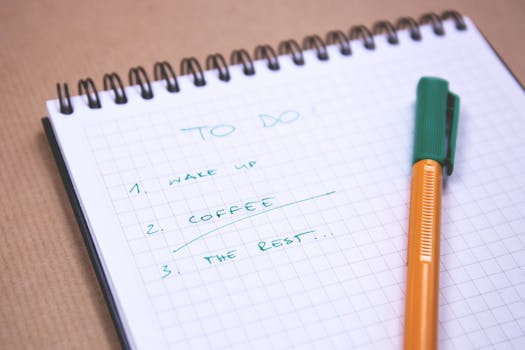
Try stacking your to-do list next to your device. Glancing at this tomorrow helps you jumpstart without anxiety, completing the end of day routine.
| Action | Digital Component | Physical Gesture | Takeaway/Next Step |
|---|---|---|---|
| Task Review | Review online checklist | Straighten desk papers | Decide what’s left for next day |
| Announce Out Loud | Mute notifications | Say “All done” as you close laptop | Use audible reminder daily |
| Workspace Reset | Log off applications | Wipe desk surface | Leave it tidy for tomorrow |
| Visualize Tomorrow’s Tasks | Add reminders in calendar | Place sticky note on monitor | Quick glance boosts morning clarity |
| Physical Boundary | Shut down computer | Push chair back | Final full-stop gesture |
Switch Modes to Relaxation and Take the Pressure Off
A successful end of day routine isn’t just about closing work—it’s actively switching gears. This shift might seem subtle but is vital for leaving work stress behind.
When you practice recognizing this transition, your mind lets go of unfinished tasks and rests. Focus on rituals that encourage your brain to “clock out.”
Use a Physical Trigger for Transitioning
Try a physical action, like shutting a notebook or dimming a lamp, at the very end of your work stretch. This concrete act becomes part of your end of day routine.
Repeat the same action every workday, without exception. Physical triggers outlast motivation and help you create consistency, which is the backbone of every effective routine.
- Turn off task notifications: This shows your mind (and your devices) that work is officially done and you’re now in relaxation mode, no exceptions at all.
- Stow away your work badge or ID: Out of sight, out of mind. Signal to your brain that professional obligations stay in the workspace, not in your leisure hours.
- Shut your work device cover: Physically closing your laptop pushes work away, making it harder to “just check one last thing” after hours.
- Tidy workspace for five minutes: A quick clean aids transition, lowers visual stress, and makes the next workday less daunting, reinforcing your end of day routine.
- Change into comfortable clothes: This small wardrobe shift marks a psychological break and tells your body it’s time to relax and recover from work.
Adding a closing anchor—such as a fixed playlist or evening scent—cements your shutdown while making it pleasant, not a chore.
Reset Your Focus with Three-Minute Reflection
After closing work, glance at your accomplishments and jot down what went well or felt meaningful. Make this reflection a set part of your end of day routine each time.
Reflection lets you carry the positives into your evening and sets up your brain to seek those wins again tomorrow—powering continuous improvement with almost no effort.
- Ask, “What did I actually finish?”: This anchors you in real progress and curbs perfectionism by celebrating even small wins each evening in your end of day routine.
- Note one tough moment and one solution: Pinpointing challenges strengthens your problem-solving repertoire, keeping small issues from leaking into after-hours worry.
- Write a grateful thought: Ending on gratitude gently shifts your mental state away from pending work and makes sleep come easier, night after night.
- Set an intention for tomorrow: Pick a focus or attitude to try. “Tomorrow, I’ll tackle the hardest email first,” closes your day ahead of the curve.
- Rate your energy from 1–10: This self-check helps you spot patterns and adjust, especially as your end of day routine becomes more automatic over weeks.
Three reflective prompts can turn a rushed shutdown into a mindful transition, smoothing your shift from work brain to rest mode seamlessly.
Prepare Next-Day Priorities Before Leaving Your Workspace
Pinpoint three top priorities for tomorrow before leaving work. This single rule supports your end of day routine and makes mornings feel manageable, not overwhelming.
Jot those main tasks on a sticky note or a digital reminder. Pre-deciding what matters means you’ll use the energy from your next morning more effectively right away.
Lock In Tomorrow’s Goals by Naming Them Specifically
Instead of “catch up on emails,” write: “Reply to Sam about project X.” The more specific you are, the easier your brain can begin the day with directed energy.
This approach helps avoid the morning spiral of indecision, letting your end of day routine build momentum for success—before you’ve even had your coffee.
Try this script tonight: Write down, in your calendar, three clear tasks and check them off as soon as you start work in the morning. It’s a small win that multiplies.
Group Small Tasks for Efficient Mornings
Combine quick actions into a single batch. This might look like, “Check receipts, confirm schedule, refill water bottle”—each grouped together as a five-minute opener.
Batched tasks reduce context switching and make your end of day routine easier to maintain, since you’ll start the next day with clear, grouped intentions.
Set an alert that flashes “Batch tasks first,” and stack short chores for rapid momentum. Your morning self will thank you for removing mental friction in advance.
Personalize Rituals for a Sustainable End of Day Routine
Sustainable habits stick longer when they reflect your personal quirks and environment. Build your end of day routine around what relaxes you, not what you think should work.
Layer your routine with genuinely enjoyable anchors: background music, favorite tea, or stretching are cues your brain will crave, making shutdown feel rewarding yet automatic.
Use Sensory Anchors to Create Familiarity
A particular scent (eucalyptus, citrus), a desk lamp dimming, or a specific song can all become cues. Once your brain associates these with the end of day routine, they’ll work like clockwork.
Think of sensory anchors as a “muscle memory” for relaxation—the more you pair them with closure, the stronger the connection becomes.
Swap or add new sensory cues every month if your routine feels stale, and notice which stimuli keep the routine fresh and inviting over the long term.
Adapt Your Routine to Fit Changing Schedules
Life and work change frequently. The strongest end of day routine evolves with your commitments—a short version for hectic nights, a longer unwind on slower days.
If your schedule shifts, use an abbreviated version: just three steps and a rapid verbal sign-off. This protects the habit, even with little time.
When you have space, expand the ritual—add a walk or meditation after the basics, always maintaining a recognizable signal that daytime responsibilities are finished.
Track and Adjust Your Shut Down Routine for Lasting Impact
Regular tracking turns routines into habits. Use a calendar icon, a checkmark, or even a short log to keep your end of day routine visible and actionable.
Collect simple data: Did you finish on time? Did you feel rushed? Which step slipped? Use these notes for minor tweaks and keep your process evolving alongside your daily life.
Spot Patterns to Troubleshoot Hiccups
If you notice frequent late finishes, scan your routine for bottlenecks—maybe task reviews run long or your workspace tidy-up gets skipped on busy days.
Tweak your process: shorten reviews, set a timer, or tidy as you finish lunch. These fixes rescue your end of day routine from breakdowns without scrapping it entirely.
Log frustrations as well as small wins to see what genuinely helps you “clock out” and feel present at home, not mentally stuck at your desk.
Celebrate Small Wins and Iterate
Celebrate consistency for a week with a mini treat—a favorite snack or early bedtime. This rewards practicing your end of day routine and strengthens the habit loop.
After a month, review your notes: was sleep better? Mornings smoother? Use this feedback to adjust and keep your routine personally meaningful and sustainable.
Share your wins with a friend or partner—for accountability and to reinforce the value of a repeatable, stress-lowering shutdown sequence each night.
Expand Your Routine with Simple Wellbeing Additions
Once consistent, try adding small health-boosting elements to your end of day routine—hydration, fresh air, or gentle stretching further signal the workday’s official end.
This makes it easier to protect relaxation time, benefitting not only your productivity but your mood, sleep quality, and relationships after hours.
Add Movement for Physical Reset
Start with basic stretches, a brief walk, or three deep breaths as you leave your workspace. These reset your mind and help shake off the day’s physical tension.
Even a quick movement break powerfully enhances your end of day routine, especially if you’ve been at a desk for hours—tight muscles unwind faster than with rest alone.
Repeat a favorite stretch nightly; watch your body link this signal to “work is done” over a few weeks, making transition feel natural and expected, not forced.
Hydrate and Unplug to Recharge
Drinking a glass of water and turning off work-related notifications both help your brain recognize downtime. Pairing these acts makes your end of day routine more comprehensive.
Water supports cognitive recovery while unplugging creates a no-disturbance zone, improving the quality of your rest. Stick to these mini-habits to notice quick recovery gains.
If you get evening work pings, set an automatic reply: “I’ll respond in the morning.” This extra buffer builds boundaries without apologizing for taking care of yourself.
Build Your Own End-of-Day Toolkit for Everyday Flexibility
No routine fits everyone. Create a toolkit—pick several cues and steps you can swap in or out, depending on your mood, work type, and the nature of your day.
This flexibility enables your end of day routine to remain effective no matter where you work or how your schedule unfolds, preventing rigid habits from breaking under stress.
Toolkit Essentials and Backup Steps
List your must-have, nice-to-have, and emergency steps. On tough days, practice just the must-haves. If you have more time, layer in the extras for a fuller shutdown.
Your must-have step might be closing all work apps; your nice-to-have could be a five-minute reflection, while your backup might be a single deep breath and walk away.
Write this list and keep it by your work station for a quick review as you close each day. This keeps your end of day routine varied yet reliable for any scenario.
Finish Every Day Confidently with a Repeatable Shutdown Sequence
Creating a consistent end of day routine changes how you exit work—giving you fuller rest and cleaner boundaries. Each ritual step boosts both well-being and productivity the next day.
Personal cues, physical actions, and a closing reflection help you transition smoothly. Customize your routine to weather schedule changes or workplace demands.
Start with one or two steps tonight. Observe how this gentle structure affects your evening and carry your best cues forward, knowing each small action shapes a more sustainable work-life balance.